
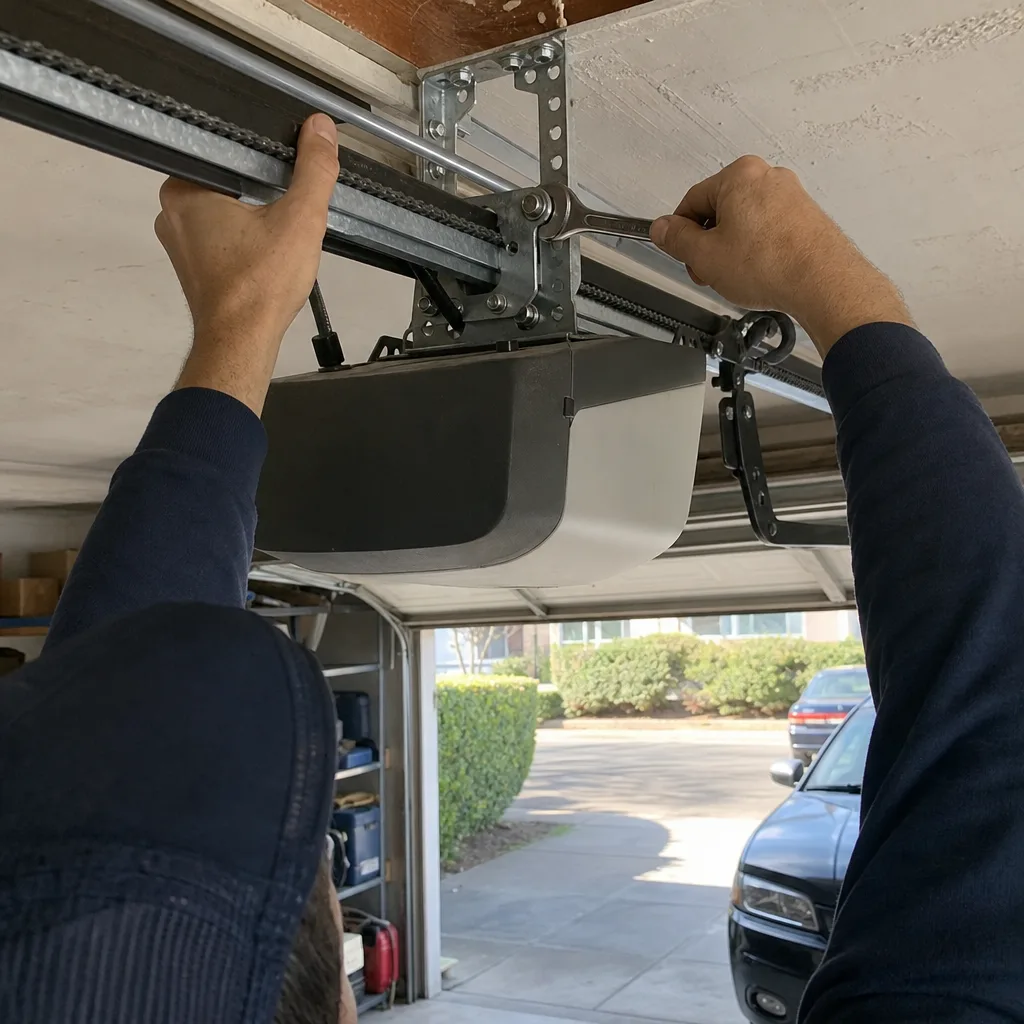
Last updated November 4, 2026
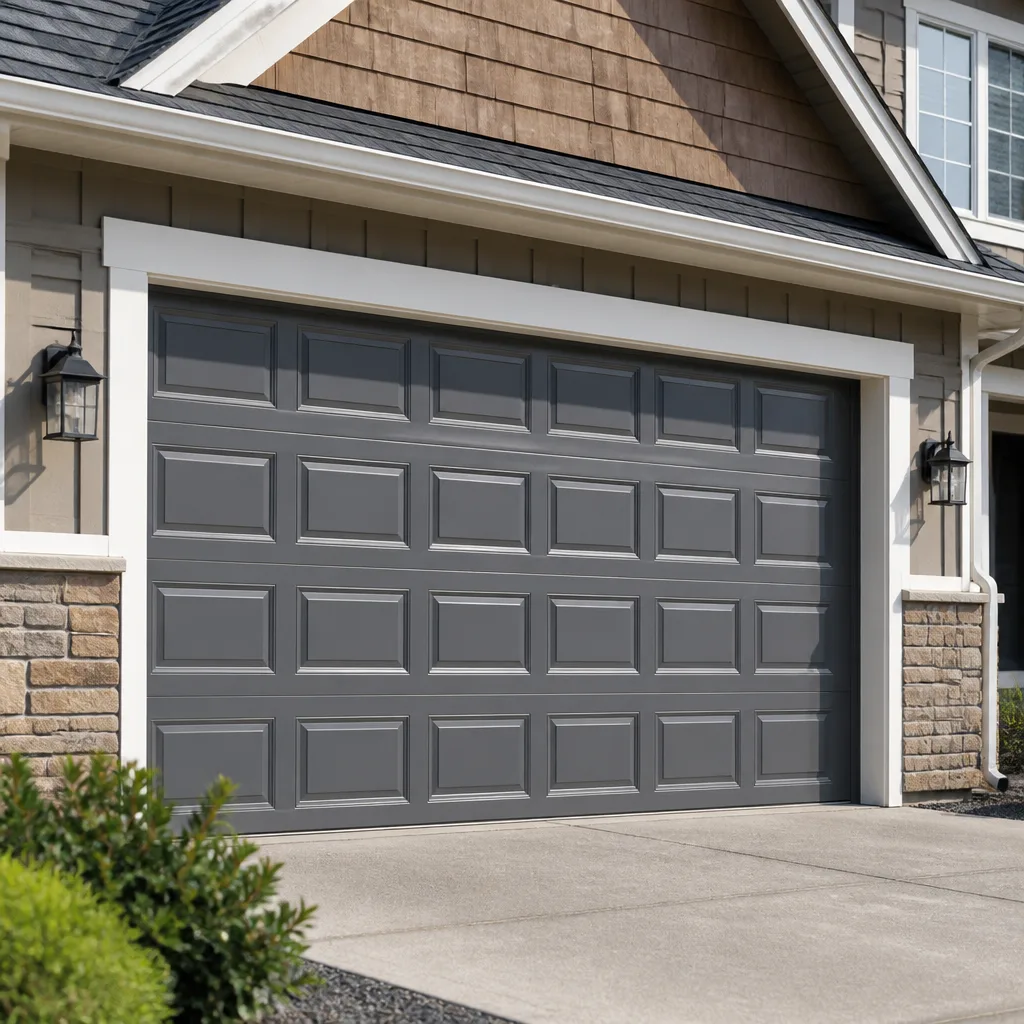 Raised-panel steel
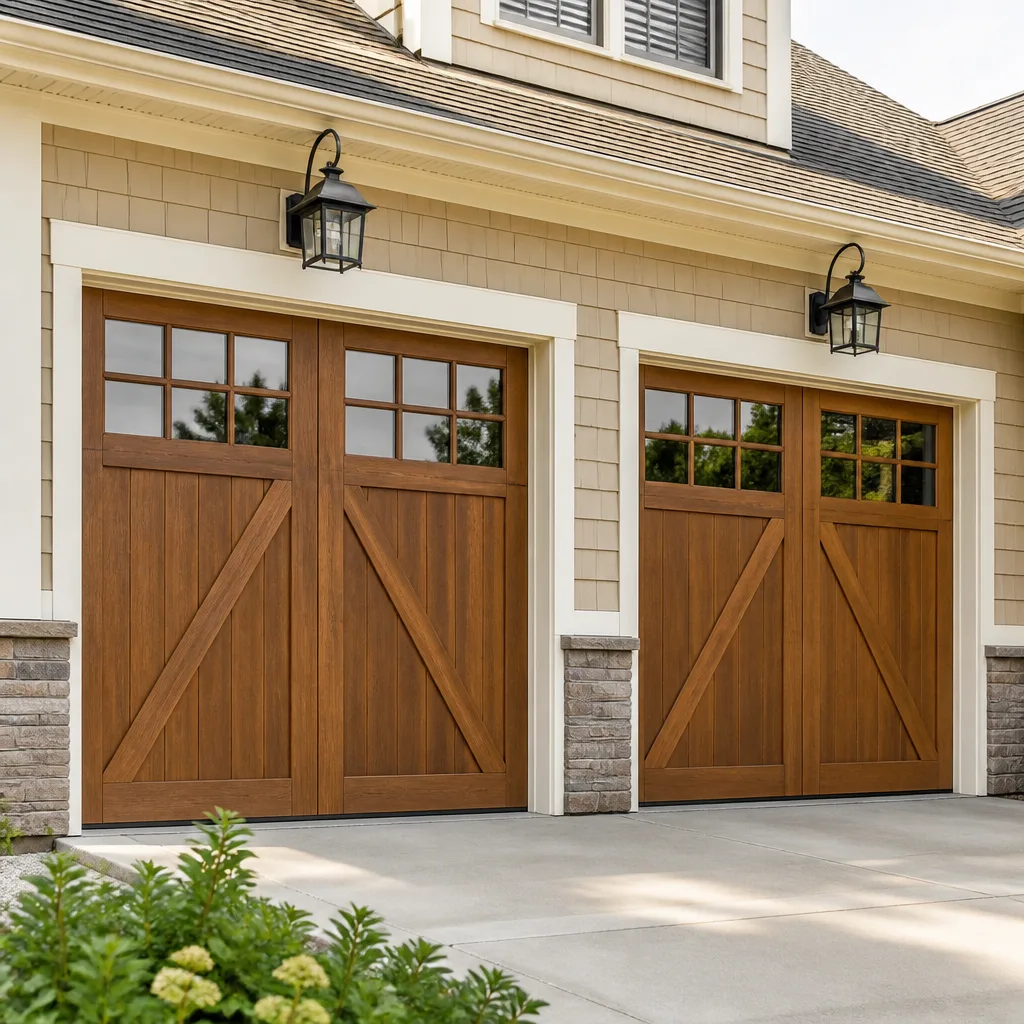 Carriage house
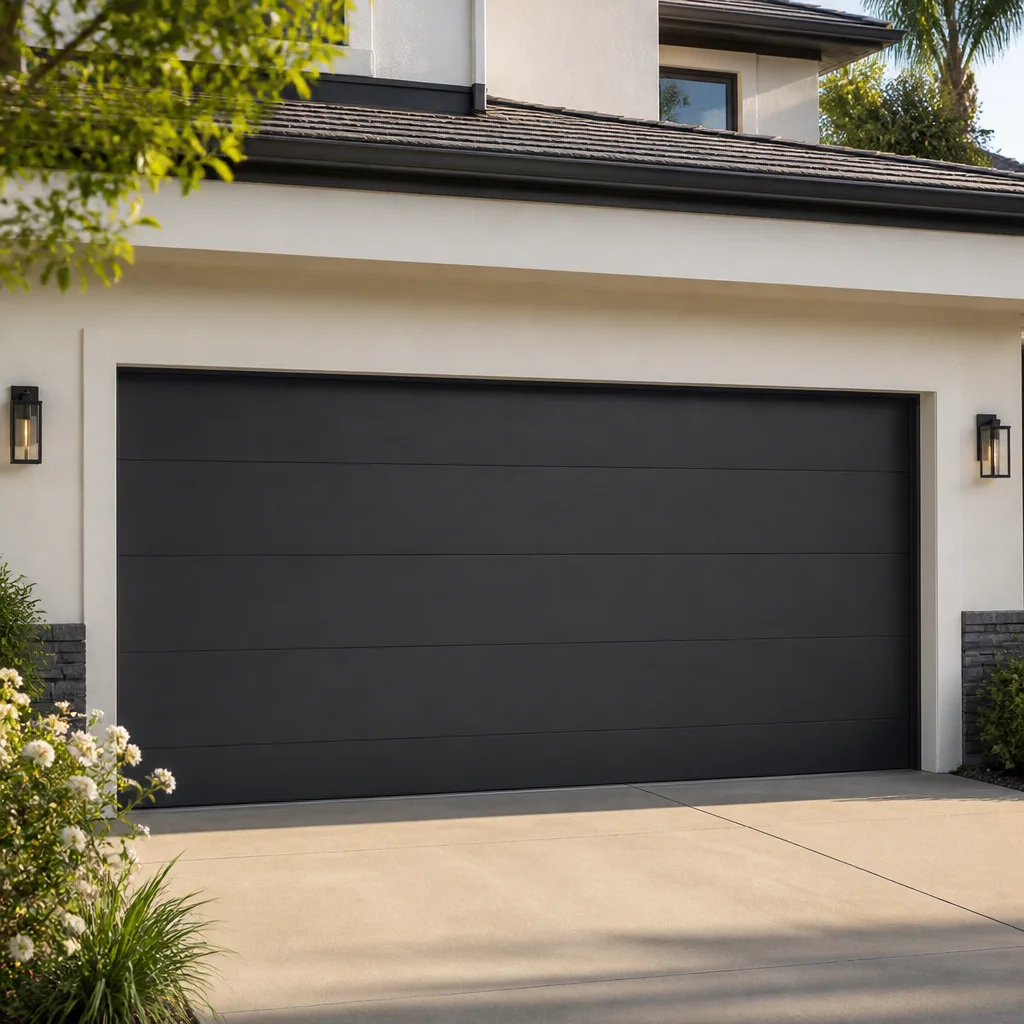 Modern flush
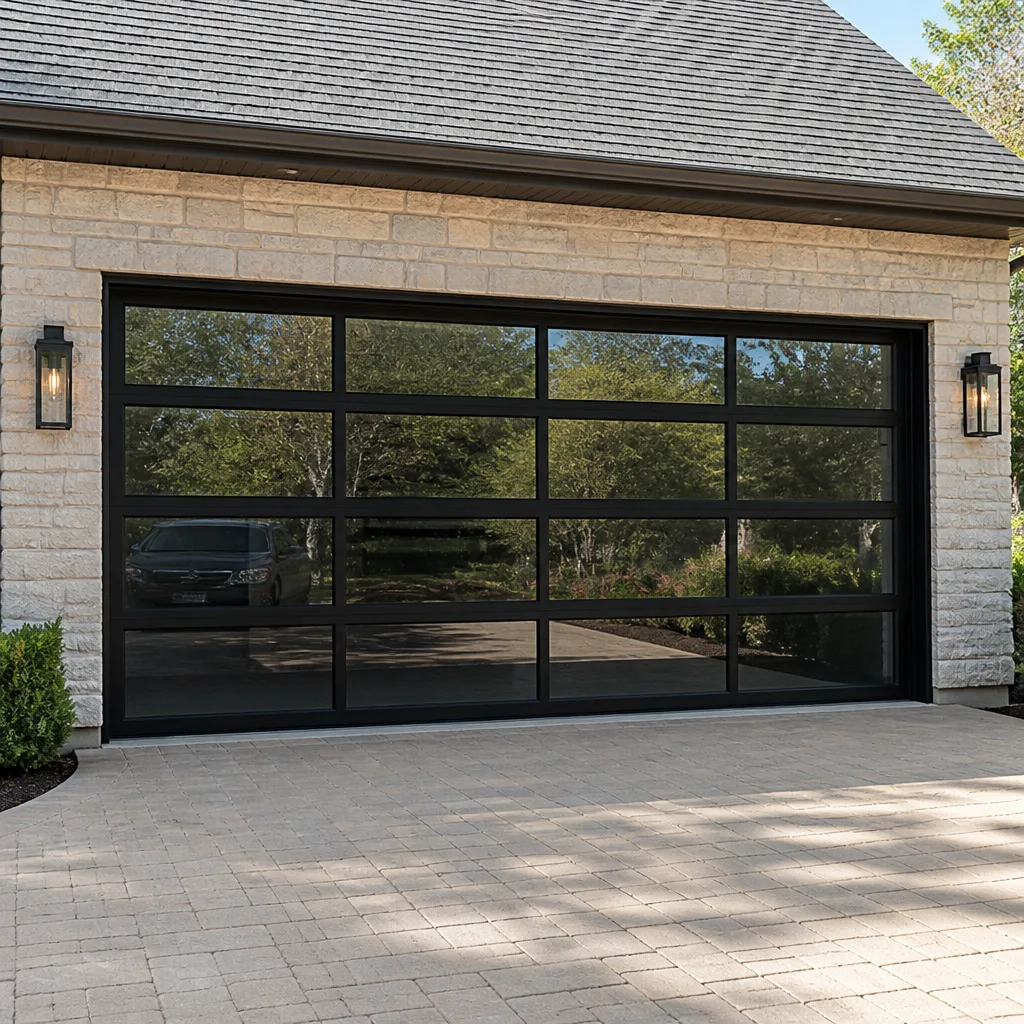 Full-view glass
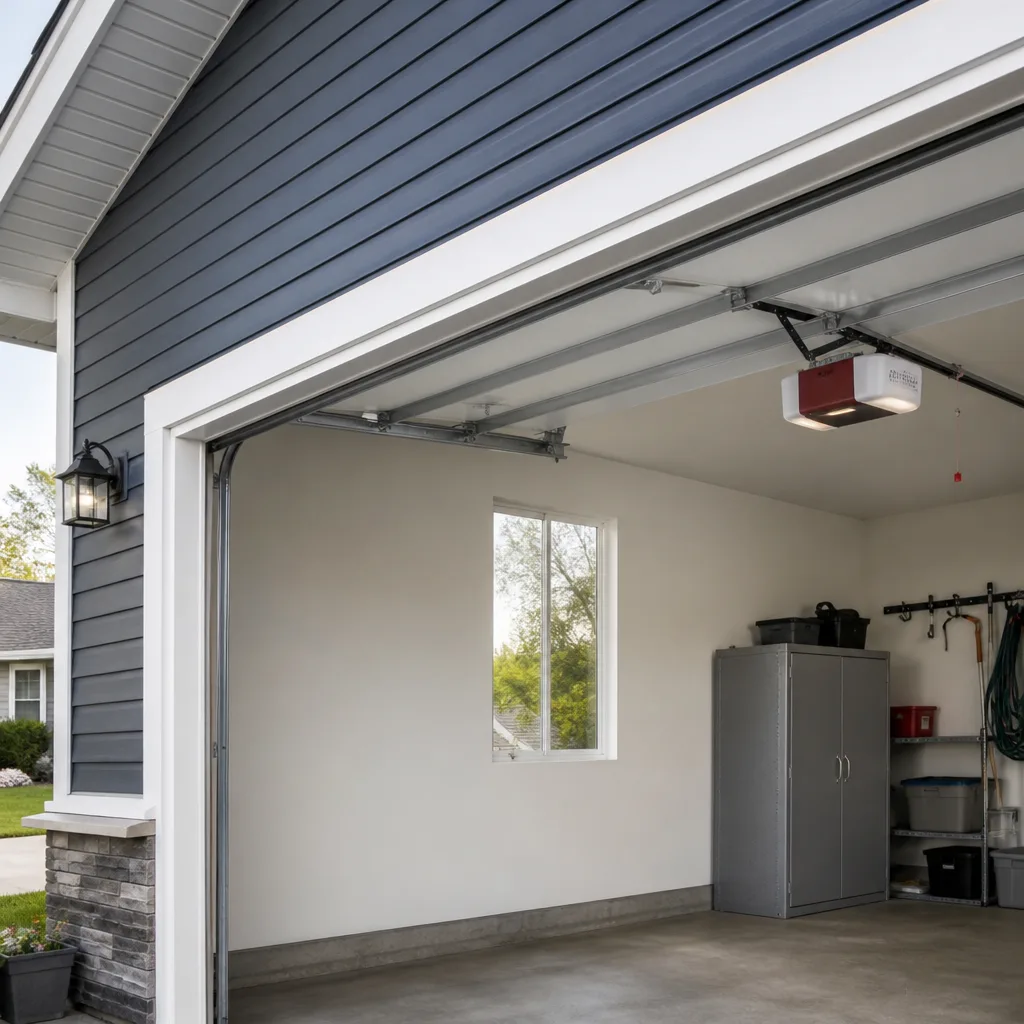 LiftMaster openers
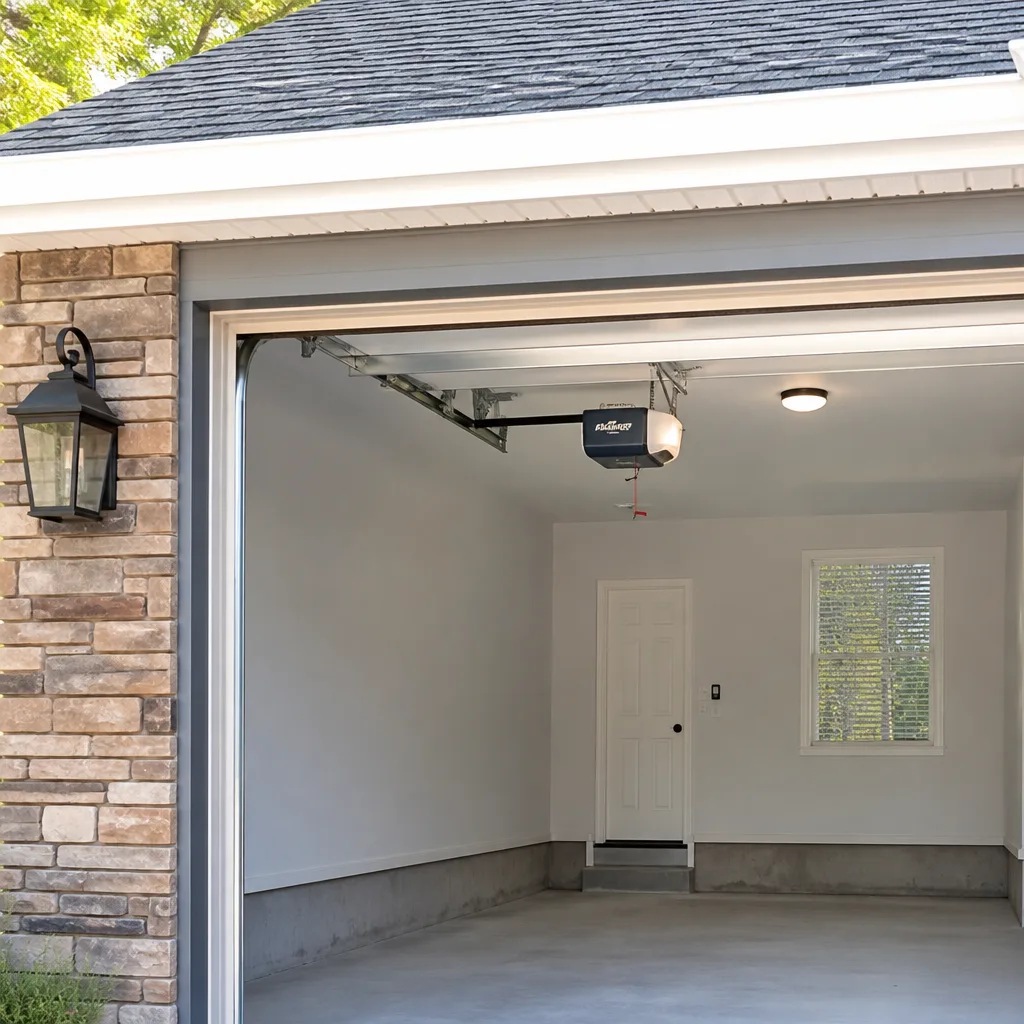 Chamberlain openers
Full 25-point door and opener safety check with every visit - springs, cables, rollers, tracks, and your LiftMaster or Chamberlain opener included
You get a price before we start. It does not change when the truck arrives.
Get your free estimateHow to Hire a Garage Door Contractor in Alameda: A Step-by-Step Guide
Most homeowners in Alameda spend more time researching a new phone than the contractor who will install or repair the largest moving object in their house. The garage door weighs between 150 and 400 pounds depending on the material, and it cycles up and down over a thousand times a year. Add in an electric opener, a dozen hinges, two or four tension springs, and a set of safety sensors, and you have a machine that demands real technical attention. The Alameda market has plenty of handymen who will say they can fix a garage door. The question is whether they can prove it. This guide walks through exactly how to vet a contractor, what questions to ask, what a complete quote looks like, and which red flags should send you to the next name on your list.
Styles & brands we work with
- Raised-panel steel
- Carriage house
- Modern flush
- Full-view glass
- LiftMaster openers
- Chamberlain openers
Quick Answer
To hire a garage door contractor in Alameda, verify their California C-61/D28 specialty license on the CSLB website, ask five specific questions that separate garage door specialists from general handymen, require a written quote that covers the full system including the opener and hardware, and confirm they stock or can source parts for your specific brand. A legitimate contractor will answer every question directly and put the price in writing before any work starts. Call Oakridge Garage Door Service at (855) 341-8689 for a free estimate that covers the entire door system, not just the panel.
Table of Contents
- Step 1: Verify the C-61/D28 License in Under Two Minutes
- Step 2: Ask Five Interview Questions That Separate Specialists from Handymen
- Step 3: Demand a System-Complete Quote, Not a Door-Only Number
- Step 4: Confirm Multi-Brand Coverage Before You Commit
- Step 5: Understand the Two Different Warranties That Apply
- Step 6: Filter for Alameda-Specific Experience and Hardware Choices
- Step 7: Recognize the Red Flags Before They Cost You
- Common Mistakes to Avoid
- When to Call a Professional
- Frequently Asked Questions
- The Bottom Line
Step 1: Verify the C-61/D28 License in Under Two Minutes
California is one of the few states that requires a specific specialty license for garage door work. The C-61/D28 classification from the Contractors State License Board covers “door and gate services,” and it’s the only license that legally authorizes a contractor to install, repair, or replace residential garage doors and openers for hire. A general building contractor with a B license may technically pull permits for some work, but a B license alone does not demonstrate the door-specific training that the D28 classification represents. A handyman with no contractor license at all is legally capped at $500 per job in California, and that’s a ceiling most garage door repairs and nearly all installs blow right through.
Here’s how to check the license in about two minutes:
- Go to cslb.ca.gov and click “Check a License” on the homepage. No account needed.
- Enter the contractor’s name or license number. If you only have a business name, use the “Business Name” search field. If the contractor gave you a license number, enter that directly, no hyphens.
- Look at the “Classification” field. It should read “C-61/D28 – Door and Gate Services” or something very close. If it says “C-61/D28” the contractor is specifically licensed for garage doors. If it only says “B – General Building” or shows no classification at all, ask why.
- Check the status. The license must show “Active,” not “Expired,” “Suspended,” or “Revoked.” The CSLB updates this daily.
- Check the bond and insurance fields. Every active license requires a contractor’s bond. Insurance is not the same thing as a bond. Look for evidence of workers’ compensation coverage if the contractor will send employees rather than an owner-operator.
This step takes two minutes on a phone and eliminates the risk of hiring someone who is technically working outside their legal scope in Alameda. That matters not just for quality but for liability. If an unlicensed worker is injured on your property or damages the door, your homeowner’s insurance coverage gets complicated fast. We’ve spent years untangling these situations for homeowners who didn’t know to check.
Step 2: Ask Five Interview Questions That Separate Specialists from Handymen
A license proves someone is legally allowed to work. It doesn’t prove they know what they’re doing. The next filter is a short phone or in-person conversation. These five questions are designed to expose gaps that generalists consistently stumble on.
- “Which opener brands do you work on?” A garage door specialist should name LiftMaster, Chamberlain, Genie, Craftsman, and Raynor without hesitating. If the answer is “whatever’s on the ceiling” or “we mostly do doors, not openers,” you’re talking to the wrong person. Garage door opener repair is a distinct skill set, and half the service calls we field involve an opener problem that a door-only contractor would have walked away from.
- “How do you determine what size springs the door needs?” The correct answer involves measuring the wire gauge, inside diameter, length, and wind direction. A vague answer like “we just match what’s there” misses the fact that the existing springs may have been sized wrong by the last installer. Alameda has thousands of postwar homes where aftermarket doors were dropped into original openings, and spring sizing errors are common.
- “What’s your process for a rough opening that’s not square?” Many Alameda homes, especially the bungalows and 1920s and 1930s builds in the East End and Bronze Coast neighborhoods, have settled framing. A contractor who only hangs doors in new construction won’t have a good answer. A specialist will talk about shimming, track adjustment, and seal compensation.
- “Do you carry parts on the truck, or do you need to order?” For common repairs like springs, hinges, rollers, and sensors, an established contractor stocks a range on the vehicle. For proprietary parts on specific brands like Amarr or Wayne Dalton, ordering happens. Either way, the contractor should be able to give you a straight answer about timing before the appointment, not after.
- “Will the same person diagnose and do the work?” Some companies send a salesperson to measure and then a different crew to install. That’s fine for replacements. For repairs, you want the person standing in front of the door to be the one who opens their tool bag.
These questions take five minutes and reveal more than any Yelp review will. A contractor who answers them confidently and specifically is treating your door as a system, not a single part.
Step 3: Demand a System-Complete Quote, Not a Door-Only Number
A garage door is not just a panel on hinges. It’s a system with about a dozen interacting components: the door sections, the track, the torsion or extension springs, the cables, the hinges, the rollers, the weatherstripping at the bottom and sides, the opener head, the opener rail, the safety sensor pair, and the wall button. A quote that prices only the door while ignoring the rest is structurally incomplete, and Alameda homeowners should reject it on sight.
A complete written quote should itemize at minimum:
- The door sections by material, insulation value if applicable, and panel design, using a named manufacturer like Clopay, Amarr, or Wayne Dalton.
- The springs and cables with the spring type listed, either torsion or extension. Torsion is standard for modern doors and any quote should specify it.
- All hardware including hinges, rollers, brackets, and track. If the quote doesn’t mention track, ask whether the existing track will be reused and why.
- Weatherstripping and seals for the bottom of the door and the sides of the opening. This is the front line against the bay-adjacent damp air that accelerates corrosion on unprotected steel.
- The opener if it’s being replaced, with the exact model number or at least the brand and drive type, such as a belt-drive LiftMaster. A quote that assumes your old opener will work with a heavier new door is a quote that’s guessing.
- Disposal of the old door and any associated hardware. Some contractors bury this as an add-on after the fact.
- Labor separated from materials, with the total shown clearly. The written estimate is the price. If it changes, the contractor should explain why in writing before proceeding.
The price is quoted and agreed before any work starts. That’s not a courtesy; it’s the baseline for a legitimate transaction in Alameda. Door and opener, handled together in a single estimate and a single visit, means you’re not scheduling two contractors who blame each other when something doesn’t line up.
Step 4: Confirm Multi-Brand Coverage Before You Commit
Garage door manufacturers have proprietary design quirks. A Clopay door uses different track profiles and hinge patterns than an Amarr or a Craftsman. An opener from LiftMaster won’t necessarily pair cleanly with a legacy wall button from Genie, and mixing striker plates across brands creates alignment problems that shorten hardware life. This matters because most Alameda homes don’t have one brand of everything. The door might be a Wayne Dalton installed in 2004, the opener a Chamberlain from 2011, and the sensors a replacement part from whoever the last handyman found at a supply house.
A contractor who only installs one brand is incentivized to tell you that replacing everything with their line is the only option. Sometimes that’s the right call. Often it’s not. Brand-agnostic diagnosis means the recommendation comes from what the system actually needs, not from a sales agreement with a single manufacturer. We service eight major brands: LiftMaster, Chamberlain, Genie, Clopay, Amarr, Wayne Dalton, Craftsman, and Raynor. We work on your brand, whatever it is, because the fastest fix is usually the one that keeps the existing door and opener working together.
Ask directly: “What brands do you service, and are you certified on all of them?” The answer separates the multi-brand repair operation from the exclusive installer pushing a full swap for its own convenience.
Step 5: Understand the Two Different Warranties That Apply
Warranty language confuses almost every homeowner, because two different warranties apply to most garage door jobs and they cover different things.
The manufacturer’s warranty covers defects in the door sections, springs, opener, and some hardware. It comes from Clopay, Amarr, Wayne Dalton, LiftMaster, Chamberlain, or whichever company made the parts. A typical door panel warranty runs anywhere from one year to lifetime depending on the model and line, and openers usually run one to five years for the motor and one year for parts. The manufacturer’s warranty does not cover installation errors. If the door falls out of adjustment because the track was hung wrong, the manufacturer will deny the claim and send you back to the installer.
The contractor’s labor warranty covers the workmanship: the adjustment, the installation, the settings, the fit. A reputable Alameda garage door contractor offers a labor warranty on installation work and on repairs, typically ranging from 30 days to a year depending on the job. This is the warranty that actually protects you from the most common failure mode, which is not a bad part but a bad installation. Ask for the labor warranty in writing. If the answer is “we don’t really have one,” keep looking.
One is not a substitute for the other. A good quote will list both: the manufacturer’s warranty by part and the contractor’s labor warranty by duration. If a quote only mentions one, ask about the missing half before signing.
Step 6: Filter for Alameda-Specific Experience and Hardware Choices
Alameda’s housing stock runs from 1890s Victorians in the Gold Coast to 1950s tract homes in Bay Farm Island to 1970s and 1980s builds scattered through the West End. Each era presents different garage door challenges. The older homes have narrow single-car openings with low headroom clearance above the door, which limits opener choices and spring configurations. The postwar homes often have original wood doors that have been painted over a dozen times and now weigh far more than the track was designed to carry. Newer construction tends to have wider double-car openings that need heavier doors and stronger springs.
Then there’s the environment. Alameda sits next to the Bay, and the air carries moisture that settles on metal all year round. Unprotected steel hardware, track, and hinges rust faster here than they would in the Central Valley. A quote that doesn’t account for corrosion-resistant hardware on an aluminum or vinyl-back door is a quote that’s planning for a shorter service life than you’re paying for. Salt-air hardware upgrades are not a marketing line. On a house a few blocks from the water, galvanized or stainless hardware choices change the realistic lifespan of the installation by years.
Ask the contractor: “How do you spec hardware for a house near the Bay?” If they look confused or say “standard hardware is fine,” they don’t work in Alameda often enough to know the difference. A contractor who services the Alameda market regularly will have an answer that mentions finish, coating, or material choice without prompting.
Step 7: Recognize the Red Flags Before They Cost You
Most bad garage door jobs share the same warning signs. Knowing them ahead of time turns a vague feeling of unease into a simple checklist.
- No written estimate. Any contractor doing more than a simple spring swap should put numbers on paper. Verbal quotes on a $1,400 door install have a way of growing by the time the invoice arrives.
- A price that’s half the other bids. Garage door work has real material costs. A bid that’s dramatically lower than the rest is usually omitting something: hardware, disposal, the opener connection, weatherstripping. The cheapest quote is often the most expensive once the add-ons land.
- No C-61/D28 classification. We covered this in Step 1, and it bears repeating: a general contractor or handyman without the specialty classification is not the right fit for garage door work in California.
- Pressure to decide today. A legitimate contractor in Alameda can hold a price for a week or two. High-pressure “sign now” tactics usually mean the offer won’t survive scrutiny.
- No mention of the opener in a replacement quote. A new door that weighs 40 pounds more than the old one will strain a marginal opener. Any complete quote addresses the opener, even if the recommendation is to keep it.
- A contractor who won’t put the labor warranty in writing. If the workmanship guarantee exists only in conversation, assume it doesn’t exist.
- Unwillingness to discuss spring types. Extension springs on a modern door are a downgrade. A contractor who pushes them because they’re cheaper is not doing you a favor.
Common Mistakes to Avoid
- Hiring a handyman for garage door work because the price is lower. In California, unlicensed work over $500 is illegal, and garage door springs are among the most dangerous components in a home. A handyman who undercuts a licensed contractor is doing so by operating outside the rules you’re relying on to protect yourself.
- Replacing the door without considering the opener. The door and opener work as one system. A heavier door on a light-duty opener means premature motor failure, and you’ll be back on the phone within a year.
- Ignoring the weatherstripping. In Alameda’s damp air, a missing or compressed bottom seal lets moisture sit on the concrete and creep up the door edges, accelerating rust on the track and hardware.
- Accepting a quote that doesn’t itemize. “Door, installed, $1,800” tells you nothing about what you’re actually buying. An itemized quote is a sign of a contractor who knows the job well enough to describe it in detail.
- Choosing an installer based only on the door brand. The contractor’s labor warranty and installation skill matter more to the long-term performance than the logo on the panel. A mid-range Amarr installed correctly will outlast a premium Clopay hung carelessly.
- Overlooking the license check in a hurry. Two minutes on cslb.ca.gov before you sign anything is the highest-leverage action in this entire guide. Skip it and you’re trusting a sticker on a truck.
- Not asking about disposal. Old garage doors don’t fit in the bin. Contractors charge for haul-away, and a quote that omits it is leaving a $100 to $200 surprise on the table.
When to Call a Professional
Some jobs are fine to inspect yourself: a door that’s clearly off track, a broken spring you can see hanging from the bracket, an opener that hums but doesn’t move. But the repair on any of these is not a DIY project. Torsion springs under tension carry enough energy to break a wrist or worse if they release unexpectedly, and overhead door cables are unforgiving to garage tinkerers. If you hear a loud bang from the garage and find the door hanging crooked, stop using it, unplug the opener if you can reach it safely, and call a licensed technician. If the door works but is loud, slow, or reversing unexpectedly, that’s a diagnostic call rather than an emergency, but it’s still not a job for a YouTube tutorial. Oakridge Garage Door Service offers free estimates in Alameda. Call (855) 341-8689 and describe what the door is doing. We answer 24/7. Fast dispatch from 7am to 7pm, Sunday through Friday.
Frequently Asked Questions
Most Alameda homeowners pay between $180 and $450 for a typical repair like a spring replacement or opener fix, while a full door replacement with installation runs from $1,200 to $4,000 depending on the door material, size, and whether the opener is replaced at the same time. A single torsion spring typically costs $180 to $340 installed, and a matched pair costs about twice that since both are usually replaced together. The written estimate sets the final price before any work starts. Call (855) 341-8689 for an exact quote, and estimates are free.
Same-day service is available for many repairs, especially spring failures and opener issues where the parts are common and stocked on the truck. We answer 24/7. Fast dispatch from 7am to 7pm, Sunday through Friday. Call (855) 341-8689 and describe the problem, and we’ll get you on the schedule.
Most California cities require a permit for a full garage door replacement when structural changes are involved, but the rules vary by municipality. Ask the Alameda building department directly, and ask your contractor whether their quote includes permit handling. A licensed C-61/D28 contractor will know the local process and can tell you whether your specific job falls under it.
A written estimate should not change unless the scope of work changes. If the technician finds additional damage during the job, such as a cracked track or a damaged opener that wasn’t visible from the outside, that’s a scope change, and you should approve the new line item in writing before the work proceeds. The price is agreed before any work starts, and legitimate contractors in Alameda operate this way as a matter of practice.
For common repairs like torsion springs, extension springs, rollers, hinges, and safety sensors, we stock a range of parts on our vehicles and can complete most jobs in a single visit. For brand-specific parts on doors from Clopay, Amarr, Wayne Dalton, or Craftsman, we order from the manufacturer and give you a clear timeline before any work is scheduled. Call (855) 341-8689 and we’ll tell you what to expect for your specific door.
A licensed garage door contractor holds the California C-61/D28 specialty classification, carries the required bond and insurance, and has passed the CSLB’s examination for door and gate services. A handyman may be handy with tools but is legally limited to jobs under $500 and has no specialty license to verify. For a component as heavy, spring-loaded, and safety-critical as a garage door system, the distinction matters. Garage door repair is specialized work, not general maintenance.
The Bottom Line
Hiring the right garage door contractor in Alameda comes down to five moves: check the C-61/D28 license on the CSLB website, ask specific questions that only a specialist will answer well, demand a written quote that covers the entire system including the opener and hardware, confirm multi-brand coverage so you’re not pushed into a replacement you don’t need, and get the labor warranty in writing. Skip any one of these and you’re betting on good luck instead of good process. Visit garage door opener repair or the Alameda location page to learn more about our services, or call (855) 341-8689. We answer 24/7. Fast dispatch from 7am to 7pm, Sunday through Friday.
Written by the team at Oakridge Garage Door Service, serving Alameda since 2015.
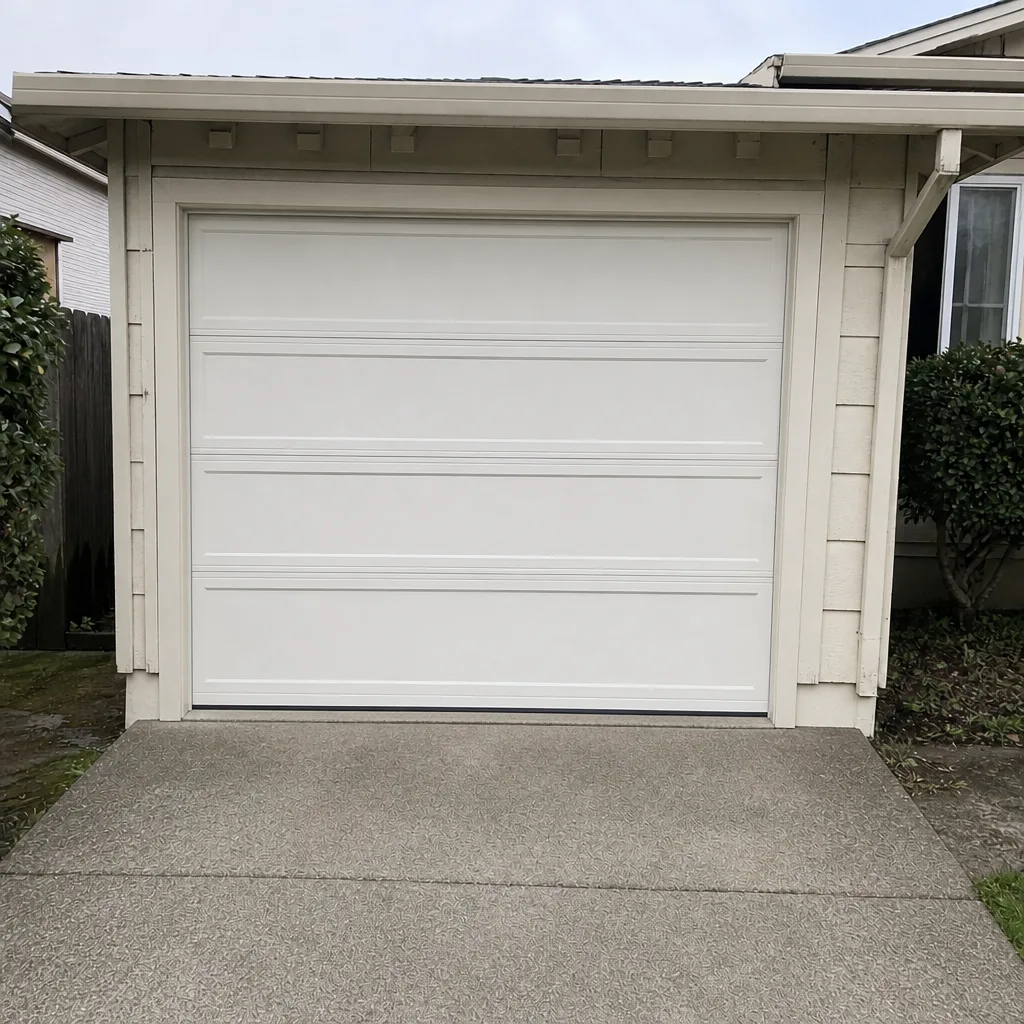
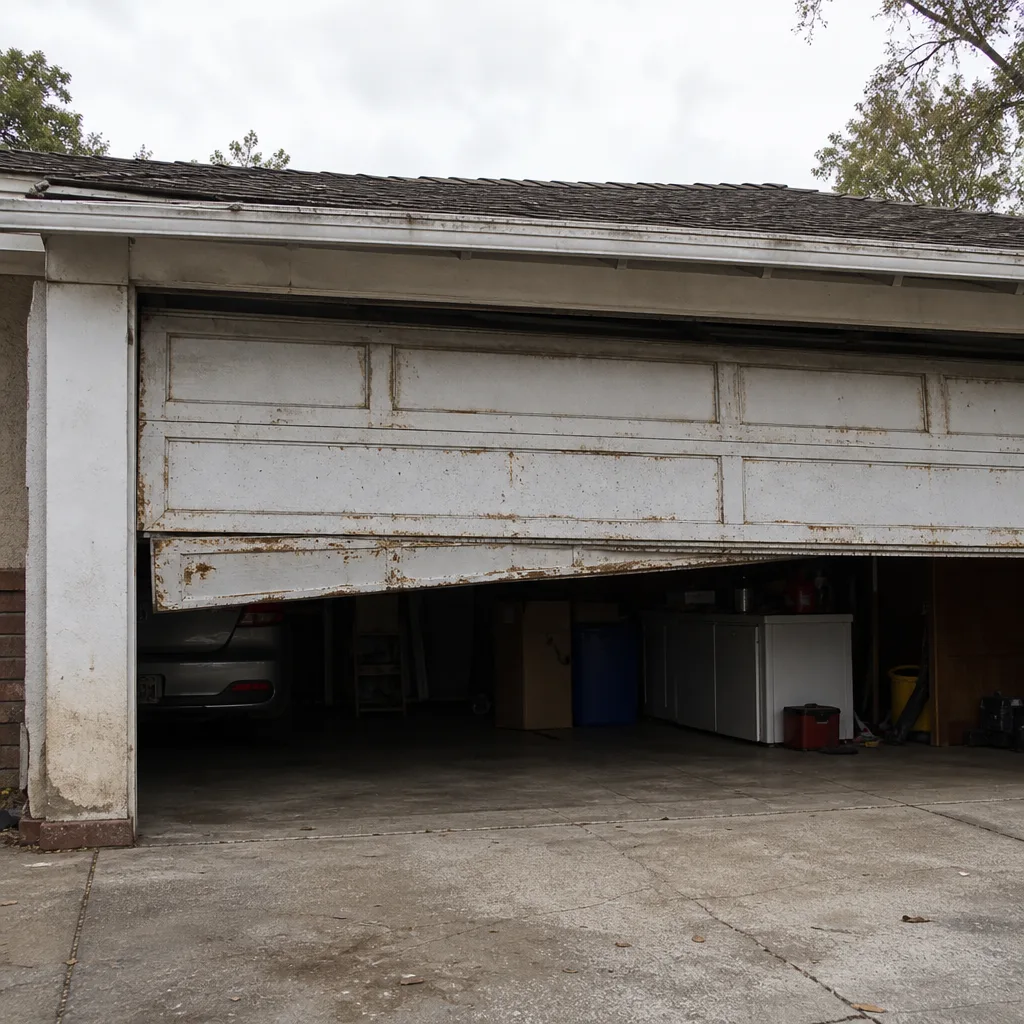
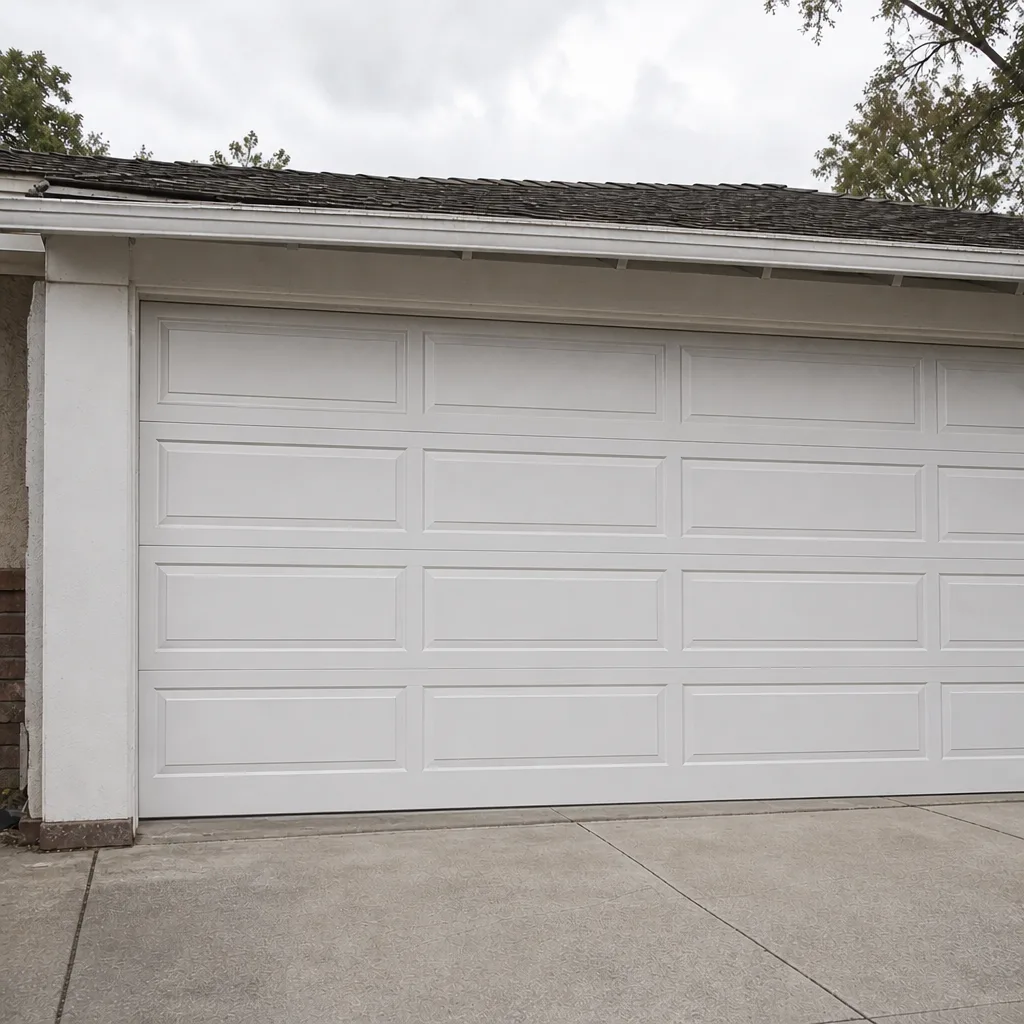
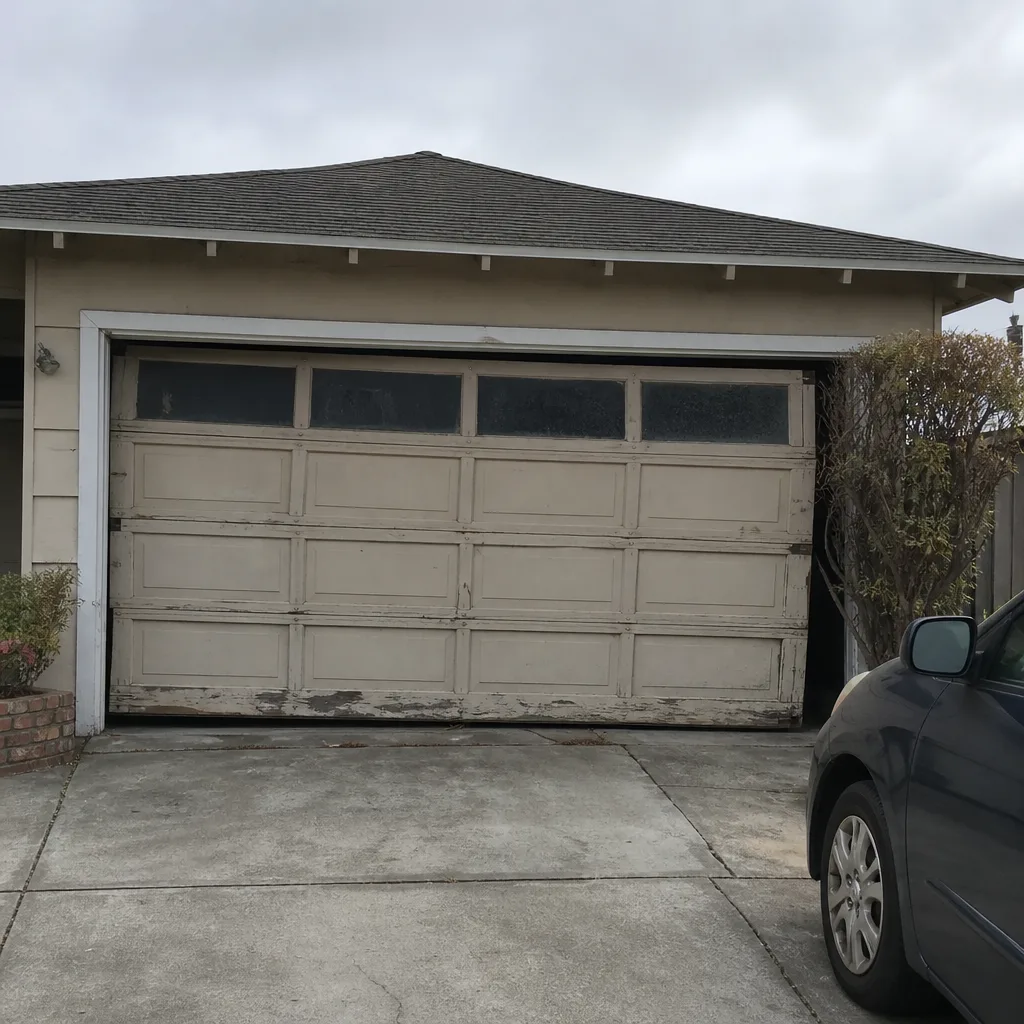
See the difference
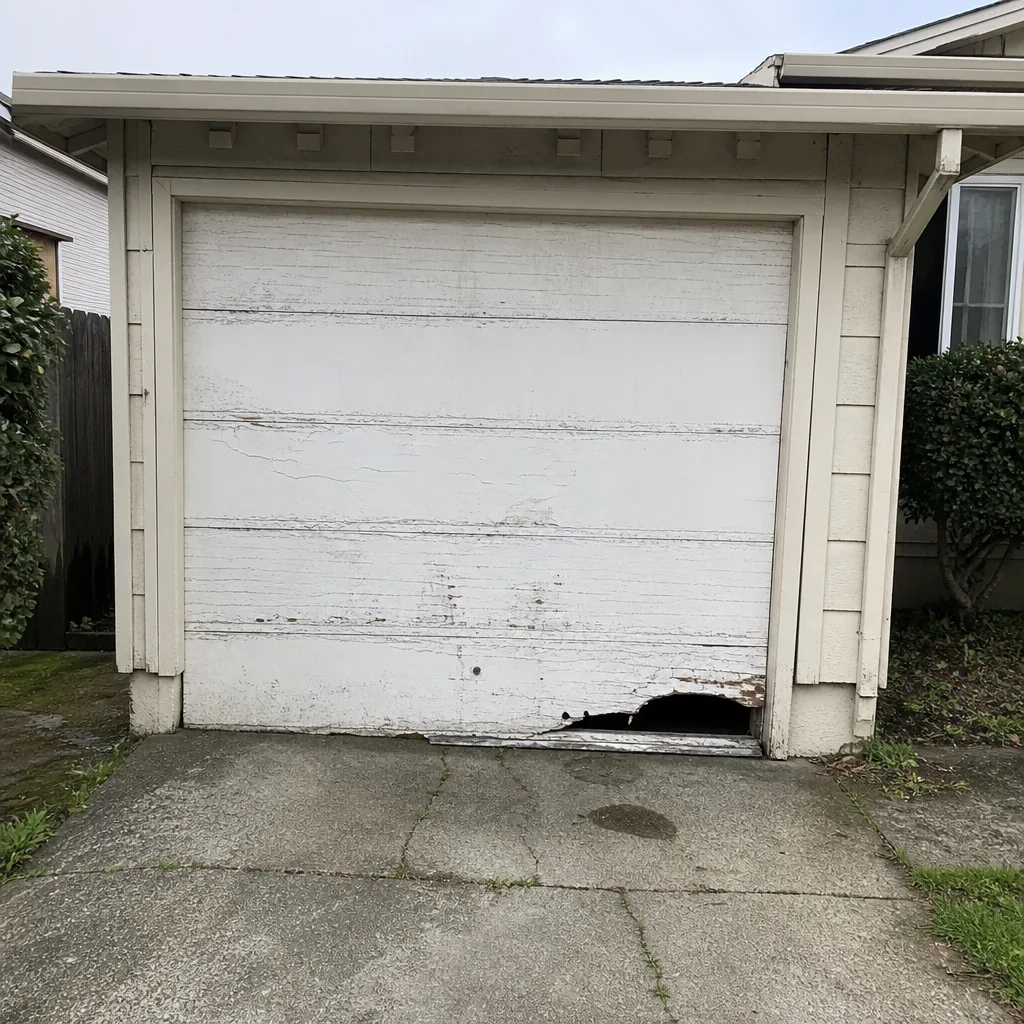 Before
 After
 Before
 After
 Before
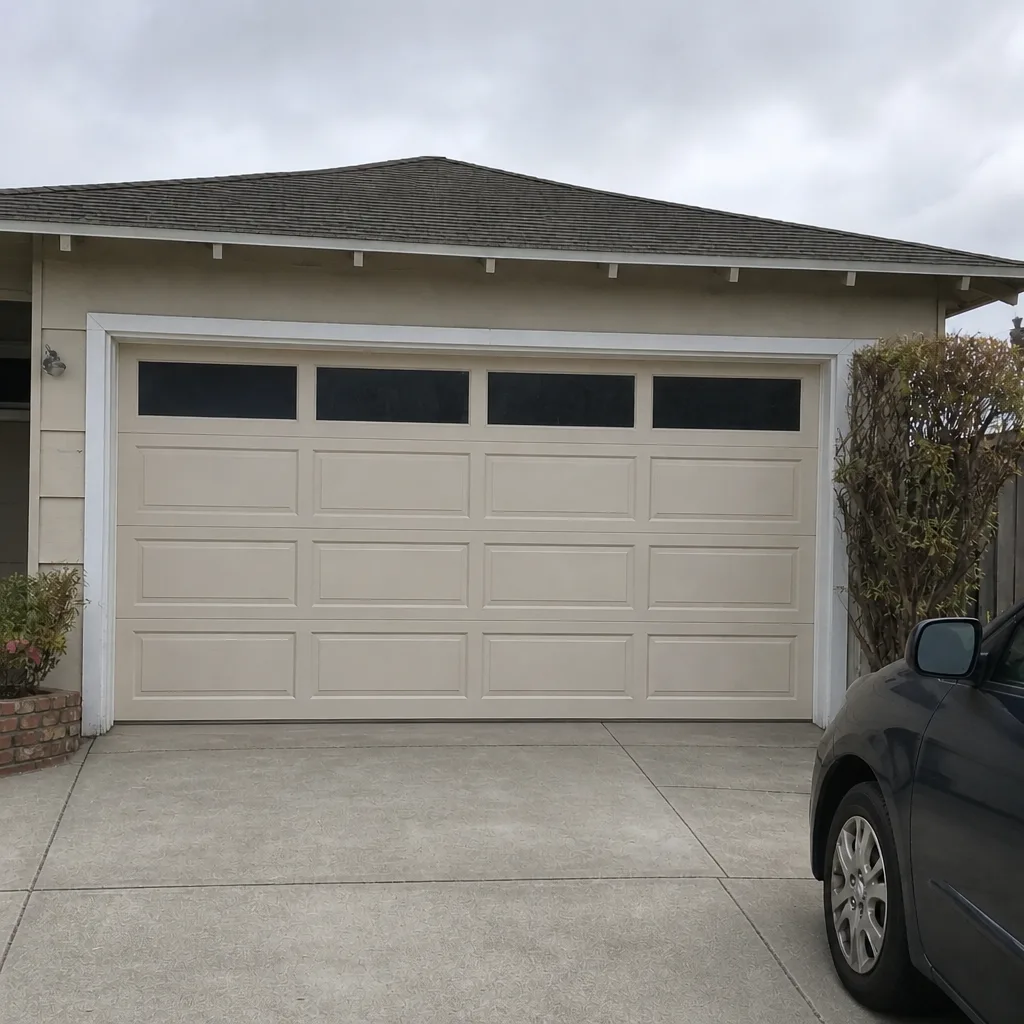 After