
Last updated November 4, 2026
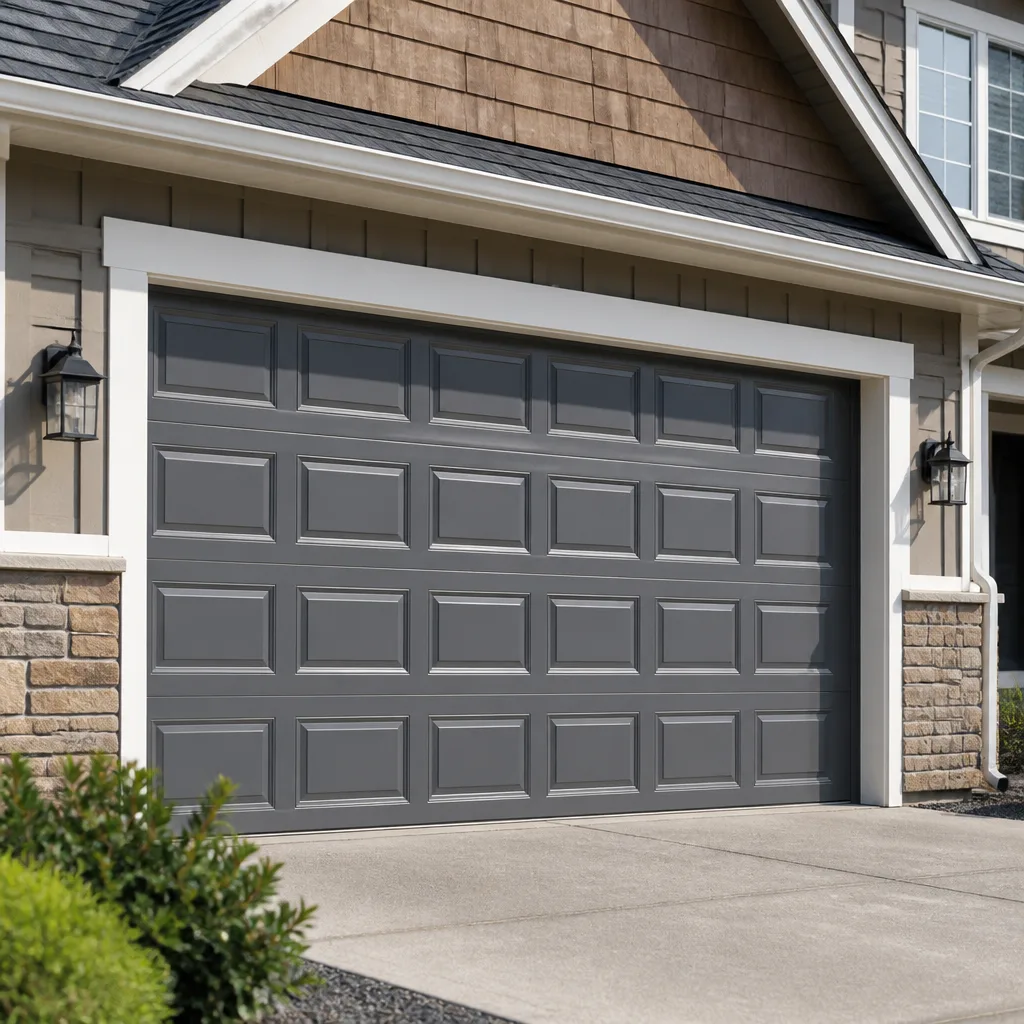 Raised-panel steel
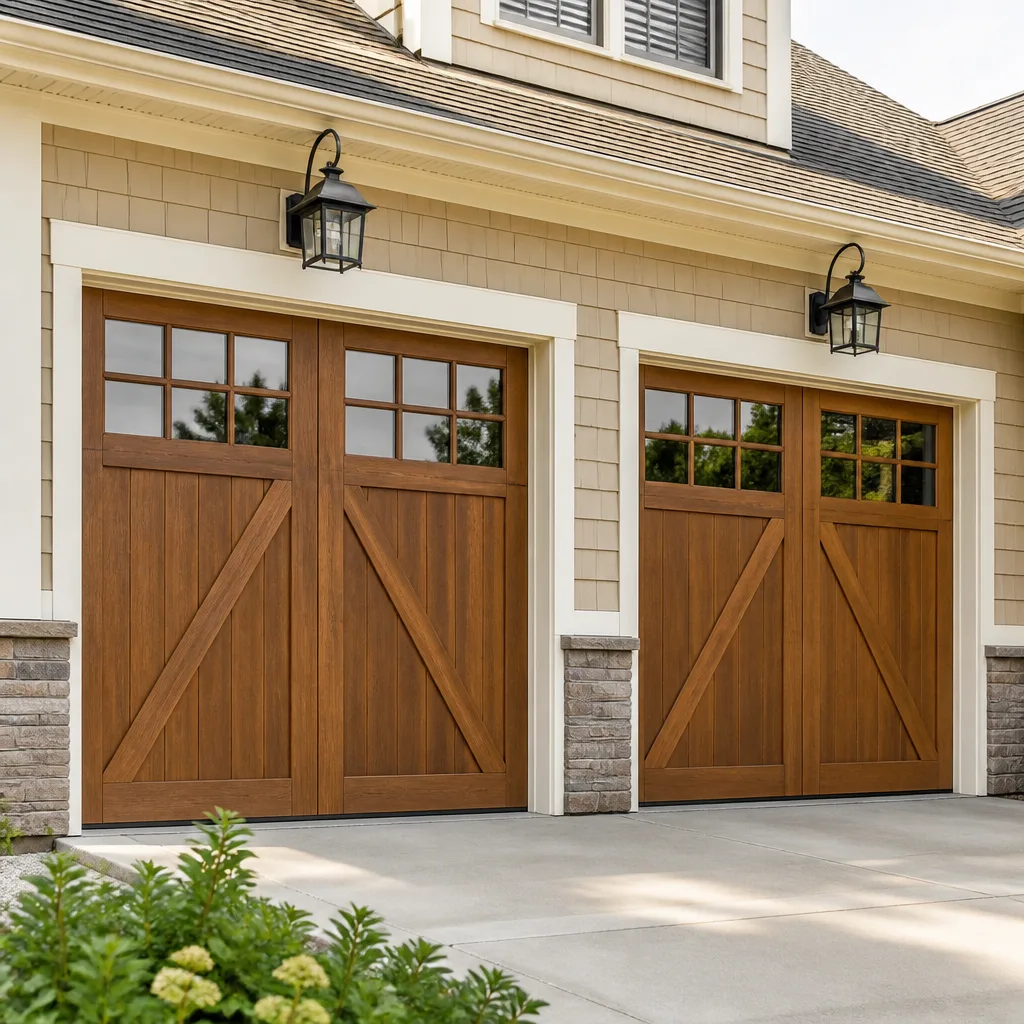 Carriage house
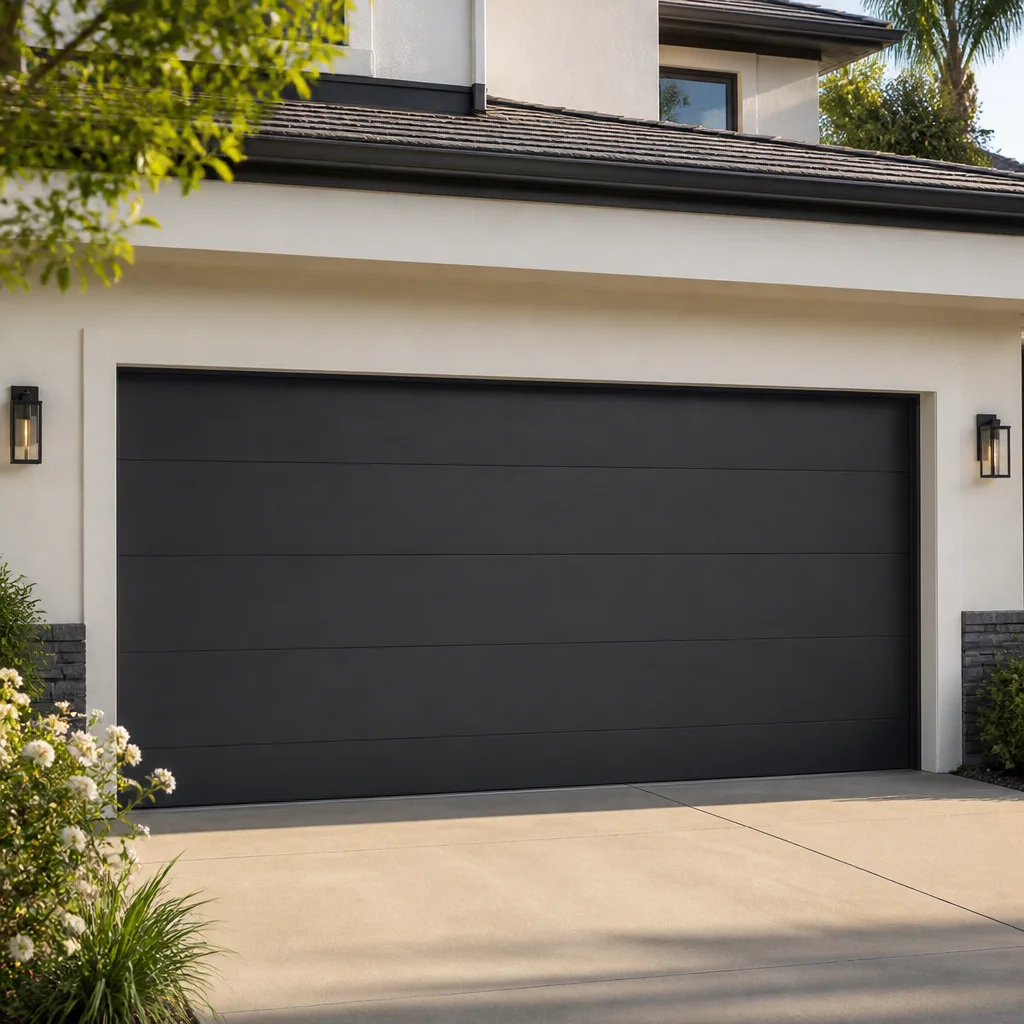 Modern flush
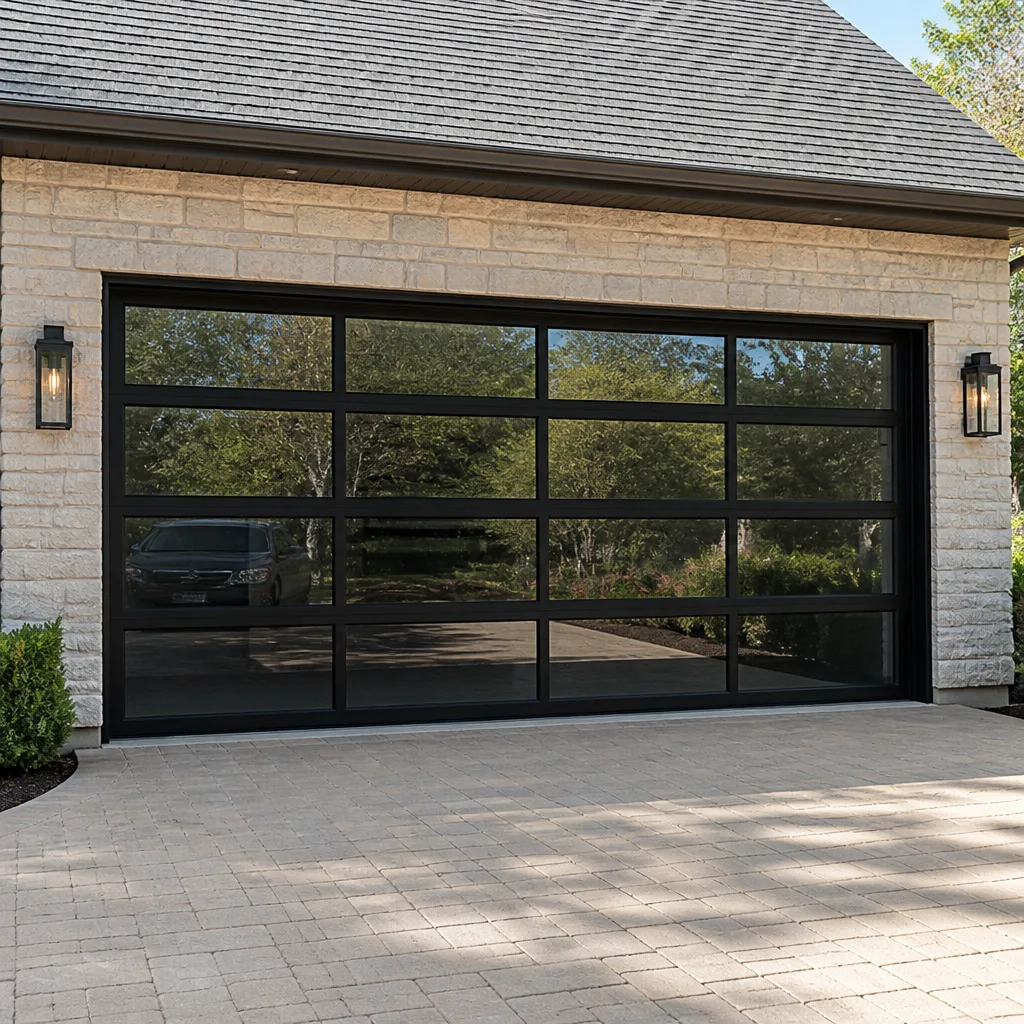 Full-view glass
 LiftMaster openers
 Chamberlain openers
Full 25-point door and opener safety check with every visit - springs, cables, rollers, tracks, and your LiftMaster or Chamberlain opener included
You get a price before we start. It does not change when the truck arrives.
Get your free estimateSeasonal Garage Door Care for Alameda: Year-Round Homeowner’s Guide
Most garage door maintenance guides read like they were written for Minnesota. They obsess over freeze-thaw cycles and snow load. In Alameda, those problems don’t exist. What does exist is a compressed, intense wet season: the city averages 19 inches of rain annually, but roughly 85% of it lands between November and March. That concentrated moisture, followed by a long dry spell and a foggy summer, attacks different door components at different times of year. If you service the whole system on one arbitrary “spring checklist” date, you’ll miss the corrosion window that opens in February and the lubrication breakdown that accelerates in June. This guide covers what a garage door in this specific climate actually needs, season by season, so you can plan the right task for the right month, no guesswork.
Quick Answer
Garage door care in Alameda is about managing a Mediterranean climate pattern: a mild, wet winter that accelerates rust and wood swelling, followed by a dry, foggy summer that degrades lubrication and exposes gaps. The highest-return tasks are a pre-rain weatherstripping check in October, a rust-and-swell inspection in March, and a lubrication and auto-reverse force check in June. A homeowner can handle most of these in under an hour twice a year; opener calibration and spring inspection should involve a trained technician.
Styles & brands we work with
- Raised-panel steel
- Carriage house
- Modern flush
- Full-view glass
- LiftMaster openers
- Chamberlain openers
Table of Contents
- Fall Pre-Rain Prep: Weatherstripping and Bottom Seal Checks (October)
- Winter Corrosion: Why the Wet Season Doesn’t Show Its Damage Until Later
- Spring Recovery: Wood Panel Swelling, Track Debris, and Early Rust (March)
- Summer Fog Cycle: Lubrication Frequency in Persistent Humidity (May – September)
- Year-Round Opener Sensitivity Drift: Auto-Reverse and Force Calibration
- A Seasonal Maintenance Schedule That Works for Alameda
- Common Mistakes to Avoid
- When to Call a Professional
- Frequently Asked Questions
Fall Pre-Rain Prep: Weatherstripping and Bottom Seal Checks (October)
October is the single most important month for garage door maintenance in Alameda. The long dry season is ending, and the first real storms typically arrive in November. If you’re going to do one focused day of door care all year, make it a dry weekend in October.
The primary job is water exclusion. A garage door is a system of overlapping seals: the bottom seal (also called an astragal), the perimeter weatherstripping along the jambs and header, and the seals between individual panels on a sectional door. All of these dry out and shrink during Alameda’s rainless summer. When the first heavy rain arrives, water finds every gap.
Walk through this checklist in order:
- Inspect the bottom seal. Close the door and look along the floor line from inside. Light passing under the seal means water will follow. The seal should compress evenly against the concrete. If it’s cracked, flattened, or missing chunks, it’s done. A new bottom seal is inexpensive and makes the largest difference in wet-season intrusion.
- Check the perimeter weatherstripping. Run your hand along the jambs and header while the door is closed. You’re feeling for gaps, brittleness, or sections that have pulled away from the frame. Vinyl weatherstripping stiffens with age. In Alameda’s wet season, even a quarter-inch gap along the jamb lets wind-driven rain onto the door track and the floor.
- Look at the panel seams. On a sectional door, the tongue-and-groove joints between panels have their own seals. These fail slowly. Look for daylight or water staining on the inside face of the joints. If the seals between panels are shot, water runs inside the door structure and sits in the panel cavities.
- Clear the track weep areas. The vertical tracks have no drains, but the bottom of the track channel collects debris. A leaf or acorn lodged in the track bottom holds water against the steel. Clear it with a stiff brush, not a hose.
- Lubricate all hinge points and roller bearings. Do this in the dry month, before rain arrives. Lubricating wet, rusting hardware just traps moisture under the new lubricant film. October is the right time.
For wood doors, October is also the month to check the paint seal. Hairline cracks in the paint on the bottom panel edge will admit water during the wet season. The wood then swells, which pops more paint, which admits more water. It’s a compounding loop that takes years off a wood door. Touch up bottom-edge paint now, before the rain cycle begins.
As Oakridge Garage Door Service sees it, the October check is preventive, not reactive. Every dollar spent on a replacement bottom seal before the storms beats ten dollars spent on warped-panel repair in February.
Winter Corrosion: Why the Wet Season Doesn’t Show Its Damage Until Later
Alameda’s winters are mild. No freezing, no ice. But the combination of persistent rain moisture and the long periods of still, damp air between storms creates exactly the environment where hardware corrosion begins. The damage won’t be obvious in January. It shows up as stiff operation in March and a snapped cable in August.
Here’s the mechanism: garage door hinges, springs, and cables are steel. During the wet season, the air inside the garage stays humid for weeks at a time. The steel develops a fine surface rust, which is normal and mostly cosmetic. But where two steel surfaces rub, like the joint of a hinge or the contact point between a spring coil and its neighboring coil, the rust becomes abrasive. It eats away the metal’s surface and accelerates fatigue.
Torsion springs are particularly vulnerable. A spring under tension is already loaded near its design stress. Surface corrosion acts as a stress concentrator. The spring doesn’t rust through visibly. It just loses lifespan. A spring that would have lasted 10,000 cycles in a dry climate might cycle out at 7,000 in a persistently humid one, all else equal.
Cables are the other winter casualty. Cable strands rub against each other as the door moves. Surface rust between strands creates friction, which creates tiny notches, which become the break point. A rusted cable rarely snaps in rainy February. It snaps on a random Tuesday in late summer when the metal has finally had enough.
What should a homeowner do during the wet season? Three things:
- Keep the garage ventilated. If your garage is attached to the house and tends to stay closed, crack the pedestrian door for an hour on dry days. Air circulation is the cheapest corrosion prevention there is.
- Wipe down visible hardware after heavy rain. If water splashes onto the lower hinges or rollers during a storm, a quick dry rag pass removes standing water before it soaks into the joint.
- Resist the urge to lubricate in February. Lubricating wet, rusting hardware traps water against the metal and accelerates the problem. If you missed the October lubrication window, wait for a dry March day.
If you see red-brown dust accumulating at hinge pins or along the spring coils during winter, that’s rust working. Note it, plan for a dry-day inspection in March, and don’t panic. Surface rust is manageable; the damage comes from ignoring it for years.
Spring Recovery: Wood Panel Swelling, Track Debris, and Early Rust (March)
By March, the wet season in Alameda is winding down. The damage it caused is now visible. This is the post-rain inspection month: find the problems while they’re still cheap to fix, before the dry season bakes them into permanent issues.
Wood panel swelling. If you have a wood door and any water found its way past the paint or through a failed panel seam, March is when you’ll see it. Panels that swelled during the wet season may bind at the joints. The door may feel heavier. You might see a panel edge that sits proud of its neighbor, or paint that cracked in a straight line along a seam. Swelling doesn’t fully reverse in summer; the wood dries, but the joint has been stressed. Catch it now and you may get away with sanding and repainting. Ignore it and next winter’s moisture finishes the job.
Track debris and rust. Winter storms blow leaves, pine needles, and general detritus into the track channels. Damp debris holds moisture against the track steel. By March, you’ll often find a fine rust bloom starting at the bottom of the vertical tracks. Clean it now with a dry brush. If rust has started, a light pass with fine steel wool followed by a light coat of white lithium grease on the non-contact surfaces of the track will stop it.
Hinge and roller inspection. Open the door partway and look at the hinges from inside. Red dust or brown streaks radiating from the hinge pin mean the pin has been rusting. The hinge still works, but it’s wearing faster. Note which hinges show rust. If more than two or three are affected, it’s worth having a technician look at all of them at once.
Opener force check. The wet season is when the door has been heaviest: swollen wood, extra weight from absorbed moisture, and slight track corrosion all increase the force the opener must apply. Test the auto-reverse mechanism now. Place a solid object like a 2×4 on the floor under the door’s path and close the door. It should reverse within a second of contact. If it doesn’t, the force setting needs recalibration. This is a safety device, not a convenience feature.
For most Alameda homeowners, the March check is the one that gets skipped. The weather is nice, the door opens, and there’s no deadline. But the rust initiated in February doesn’t stop because the rain did. March is when a $50 hinge replacement prevents a $180 spring job in the fall.
Summer Fog Cycle: Lubrication Frequency in Persistent Humidity (May – September)
Summer in Alameda doesn’t mean desert heat. It means fog. May through September brings the marine layer: mornings in the 50s, afternoons in the 60s or 70s, and persistent humidity that doesn’t dry out. This pattern creates a specific lubrication problem that generic advice doesn’t cover.
Most garage door maintenance guides say to lubricate moving parts once a year. That’s fine in Phoenix or Denver, where summer humidity sits in the 20-percent range. Alameda’s summertime relative humidity regularly runs 70 to 90 percent overnight, dropping only modestly during the day. What does that humidity do to lubricant? It doesn’t wash it away, like rain. It gradually emulsifies it. The water vapor mixes into the grease film, thinning it and reducing its ability to coat the metal. Hinges that were lubricated in October will often be dry and squeaking by June.
So the right schedule here is twice a year: once in October (the pre-rain window) and once in June (the fog-cycle mid-point). The June session only takes twenty minutes.
- Wipe each hinge clean with a dry rag. You’re removing the old thinned grease and any dust it’s collected. Don’t use solvent; a dry wipe is sufficient.
- Apply a spray silicone or white lithium lubricant to each hinge pin. Two short bursts per hinge is plenty. Over-lubricating just makes a mess and attracts grit.
- Lubricate the torsion spring. Use a spray lubricant along the top of the spring coil. The goal is a light film that penetrates between coils, not a dripping mess.
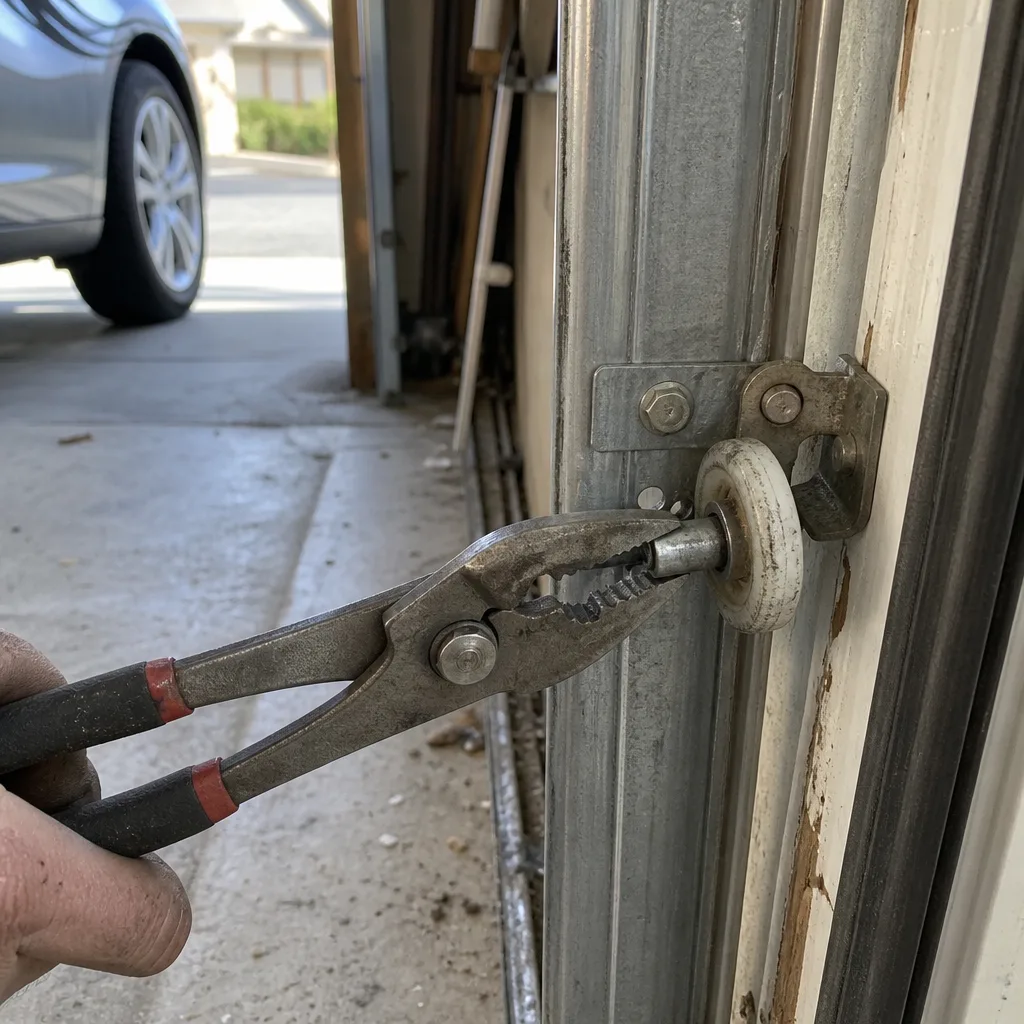
- Check the rollers. Nylon-bushing rollers don’t need lubricant on the wheel, but the stem where the roller meets the hinge does. Steel-bearing rollers get a drop at the bearing.
- Wipe the track interior. The track should stay clean and dry. Never grease the track itself; it doesn’t help and it collects that fog-borne grit.
If the door squeals or groans in late afternoon when the fog burns off and temperatures spike for an hour, that’s the thinned-lubricant signal. Don’t wait for the noise to stop on its own; it won’t. It’ll get worse and wear the hinge pins.
Year-Round Opener Sensitivity Drift: Auto-Reverse and Force Calibration
Most homeowners think of the opener as a set-it-and-forget-it device. It isn’t. The opener’s force and sensitivity settings are calibrated to the door as it existed on installation day. Everything that changes the door’s weight or friction, swelling wood, a small rust bloom in the track, a failing roller, a slightly out-of-balance spring, changes the force the door requires. And here’s the problem: the opener doesn’t know why the force changed. It only knows the door is fighting it.
In Alameda’s seasonal cycle, the door gets heavier through winter (swelling, rust, wet seals) and lighter through summer (dry panels, clean track). That’s a seasonal drift of the required-force curve. If the opener’s sensitivity was set in the dry season, it may be operating too close to its safety margin in the wet season, or vice versa.
The auto-reverse system is the safety net. It’s designed to reverse when the door encounters unexpected resistance, like a child or a bicycle. If the force limit is set too high, the door will keep pressing through resistance instead of reversing. If it’s set too low, the door will reverse on its own for no visible reason, an annoyance that drives some people to override the setting, which is worse.
The practical rule: test the auto-reverse twice a year, at the same times you do your seasonal maintenance. October and June. The test procedure is the same one from the March list: close the door on a solid object and confirm reversal. Also check the photo-eye sensors: clean the lenses with a dry cloth and make sure the beam isn’t interrupted by a cobweb or a leaf that’s collected on the lens face.
One more thing specific to Alameda’s fog: condensation. When the marine layer sits over the city, the opener’s exposed safety sensor lenses can develop a fine condensation film. The beam still passes, but it can scatter enough to cause intermittent false reversals. If your door occasionally reverses for no apparent reason on foggy mornings, clean the sensor lenses. It’s the most common no-fault opener complaint we hear from homeowners along the East Bay side of the island.
If you’ve tested the auto-reverse and it’s inconsistent, or if the opener’s force adjustment seems to drift from month to month, that’s usually a symptom of a deeper mechanical problem with the door, not the opener. See the garage door opener repair page for more on openers that fight their door.
A Seasonal Maintenance Schedule That Works for Alameda
Here’s the whole year on one page. This is designed around the actual Alameda climate pattern: wet November-March, dry April-October, sticky fog May-September.
October – Pre-Rain Prep (45 minutes)
- Inspect and replace bottom seal if cracked or flat.
- Check perimeter weatherstripping for gaps.
- Lubricate hinges, rollers, and torsion spring with silicone or white lithium.
- Clear track debris.
- Touch up bottom-edge paint on wood doors.
November through February – Wet Season Monitoring (5 minutes per month)
- Keep the garage ventilated on dry days.
- Wipe down lower hinges and tracks after heavy storms.
- Watch for rust dust at hinge pins and spring coils.
- Do not lubricate during rainy periods.
March – Post-Rain Recovery (30 minutes)
- Check wood panels for swelling or seam cracks.
- Clean rust bloom from bottom of vertical tracks with steel wool.
- Inspect hinges and rollers for rust streaks.
- Test the opener auto-reverse with a solid object.
- Plan any needed professional repair before the dry season.
June – Fog-Cycle Re-Lube and Safety Check (20 minutes)
- Wipe and re-lubricate hinges, rollers, and spring.
- Clean the photo-eye sensor lenses.
- Test auto-reverse again.
- Listen for grinding or squealing when the door runs.
That’s it. Two focused maintenance sessions and two light monitoring periods per year. No arctic prep, no snow checklist, no ice dam anxiety. Just the right work at the right time for this particular climate.
Common Mistakes to Avoid
- Lubricating during the wet season. January and February lubrication traps moisture against the metal and accelerates the exact corrosion you’re trying to prevent. Do it in October and June instead.
- Treating the bottom seal as optional. It’s the single highest-impact part on your door for water management. In Alameda’s concentrated rainy season, a failed bottom seal means water on your garage floor after every storm.
- Painting over swollen wood panels. If a wood panel swelled in winter and you paint over it in spring without sanding and drying, you seal the moisture in. The panel rots from the inside.
- Ignoring a door that reverses on its own. Intermittent reversal on foggy mornings is often a dirty sensor lens, but if cleaning doesn’t fix it, the force setting or a mechanical problem is at work. Overriding the sensitivity to stop the reversal is how injuries happen.
- Never testing the auto-reverse. The opener manual says to test it monthly. Almost nobody does. Twice a year aligned with your seasonal maintenance gets you most of the safety benefit with realistic effort.
- Assuming a squeaky door just needs oil. A squeal is usually a hinge or roller that’s already worn. Lubricant quiets the symptom for a week. Replacing the worn part quiets it for years.
When to Call a Professional
Some tasks are seasonal-maintenance jobs. Some are not. If you see a rusted or fraying cable, stop using the door and call a technician. Same for a visible crack in a torsion spring, or a door that moves unevenly (one side rises before the other). Opener problems that can’t be fixed by cleaning sensors or testing the reverse are usually a signal of a worn travel module, bad logic board, or a door balance issue, none of which are homeowner repairs.
For everything else, the seasonal schedule above is designed to be done safely by the homeowner. Don’t work on a door that’s under tension. Springs and cables hold enough stored energy to cause serious injury, and they don’t give warning. If a task brings you anywhere near a torsion spring that needs adjustment, that’s professional territory. Garage door repair on cables, springs, and load-bearing hardware is not a DIY job.
Oakridge Garage Door Service offers free estimates in Alameda and the surrounding area. Call (855) 341-8689 if you see rust on your springs, hear a grinding you can’t trace, or your door doesn’t pass the auto-reverse test. We answer 24/7. Fast dispatch from 7am to 7pm, Sunday through Friday.
Frequently Asked Questions
Twice a year: once in October before the rains, and once in June when the summer fog cycle is at its peak. Alameda’s persistent marine-layer humidity thins lubricant faster than a dry inland climate, so the standard once-a-year advice will leave your hardware running dry by late summer. Use a spray silicone or white lithium product on hinges, roller stems, and the torsion spring only.
Yes, the wet-dry season contrast is the main factor. The city’s 19 inches of rain falls mostly between November and March, creating a compressed wet season that attacks seals, wood, and steel hardware all at once. Then the dry summer bakes everything, and the fog keeps humidity elevated. The maintenance calendar should follow that rhythm: prep in October, recover in March, re-lube in June.
The most common cause in Alameda is a fine condensation film on the photo-eye sensor lenses. The marine layer sits directly over the island on summer nights, and the sensors are cool metal surfaces where moisture collects. Clean the lenses with a dry cloth. If the false reversals continue after cleaning, the force sensitivity may need recalibration, which is a quick professional job.
You should replace it when it no longer compresses evenly against the floor, when it shows visible cracking or flattening, or when you can see daylight under it from inside the garage. In Alameda’s wet season, a failed bottom seal lets water into the garage with every storm. October is the right month for this check, before the first heavy rain.
Surface rust on torsion springs is normal and usually harmless for years. The problem starts when rust dust appears at the contact points, or when you see deep pitting on the spring coils. That’s corrosion working into the metal under tension, and it shortens the spring’s lifespan. If the rust is more than a surface discoloration, have a professional evaluate it.
If you do the homeowner-level tasks yourself (lubrication, seal inspection, track cleaning, sensor cleaning), the materials cost is minimal: a can of lubricant runs under $15 and a replacement bottom seal is typically under $50 at local hardware stores. If a technician does a full seasonal inspection that includes rust treatment, hinge evaluation, and an opener force test, expect to pay for an hour of labor based on the door’s condition. Call (855) 341-8689 for an exact quote about your particular door, estimates are free.
The Bottom Line
Think of your Alameda garage door as a seasonal machine, not a static one. The wet season stresses wood, seals, and steel hardware. The foggy summer stresses lubricant. The transitions between those seasons are when problems become visible and when maintenance is most effective. You don’t need a twelve-point monthly checklist. You need two solid maintenance sessions a year (October and June), a light March recovery check, and the discipline to address small problems before they compound. A door that’s managed on this rhythm lasts years longer, runs quieter, and protects whatever’s in your garage from the one weather threat Alameda actually has: water.
Written by the team at Oakridge Garage Door Service, serving Alameda since 2015.
See the difference
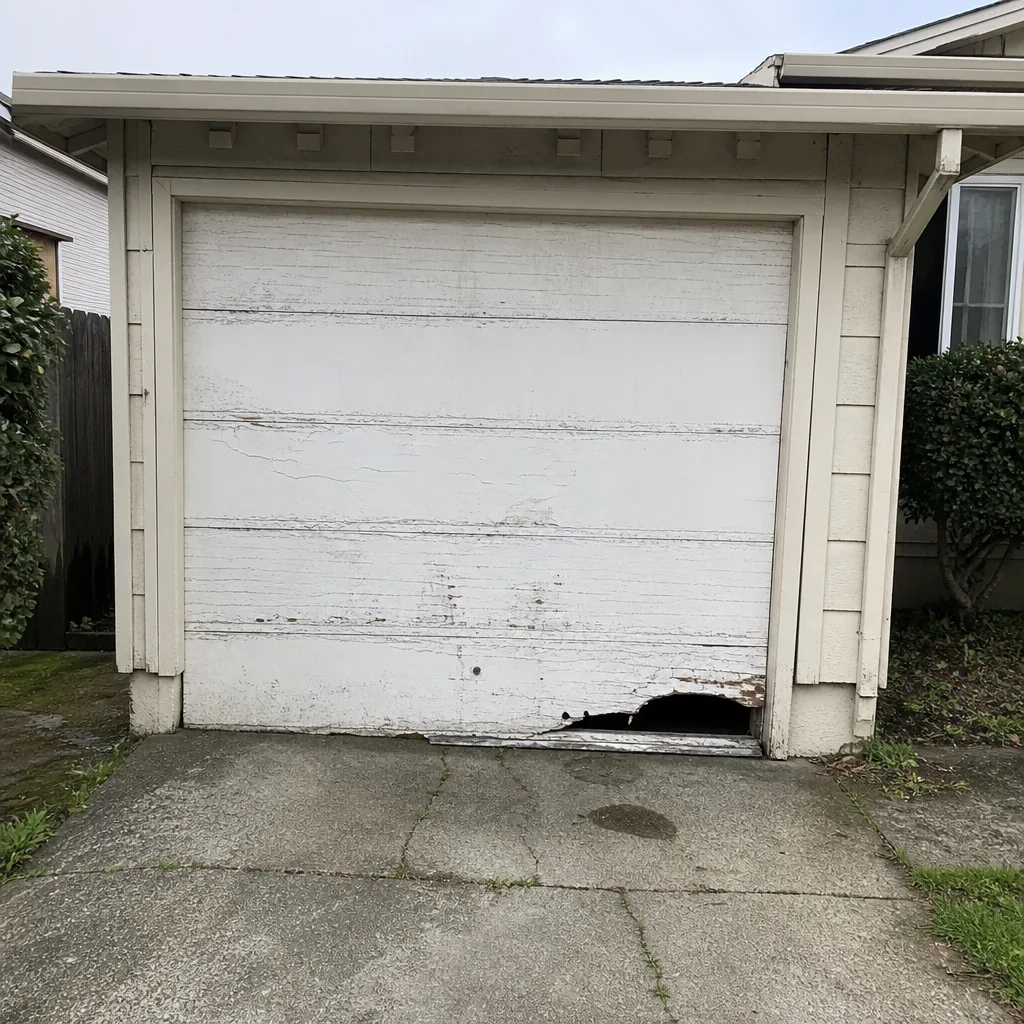 Before
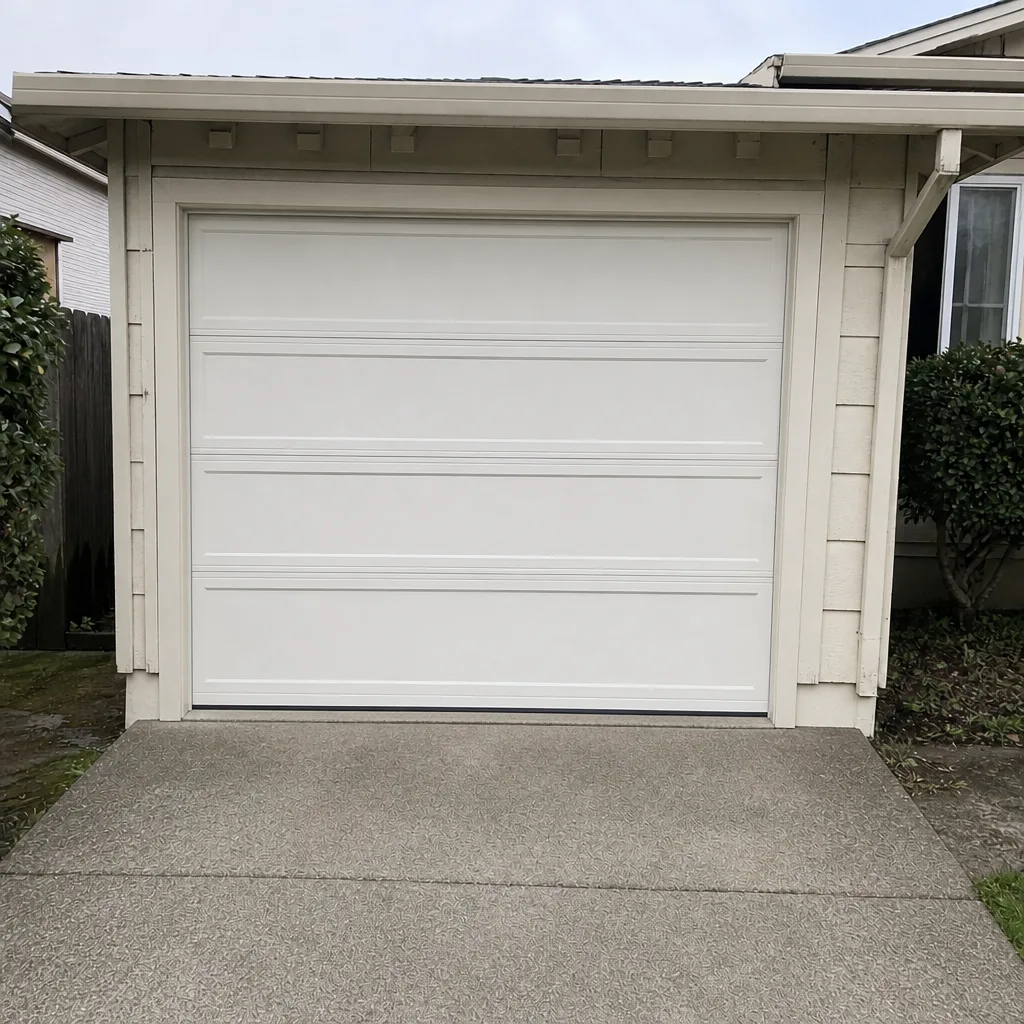 After
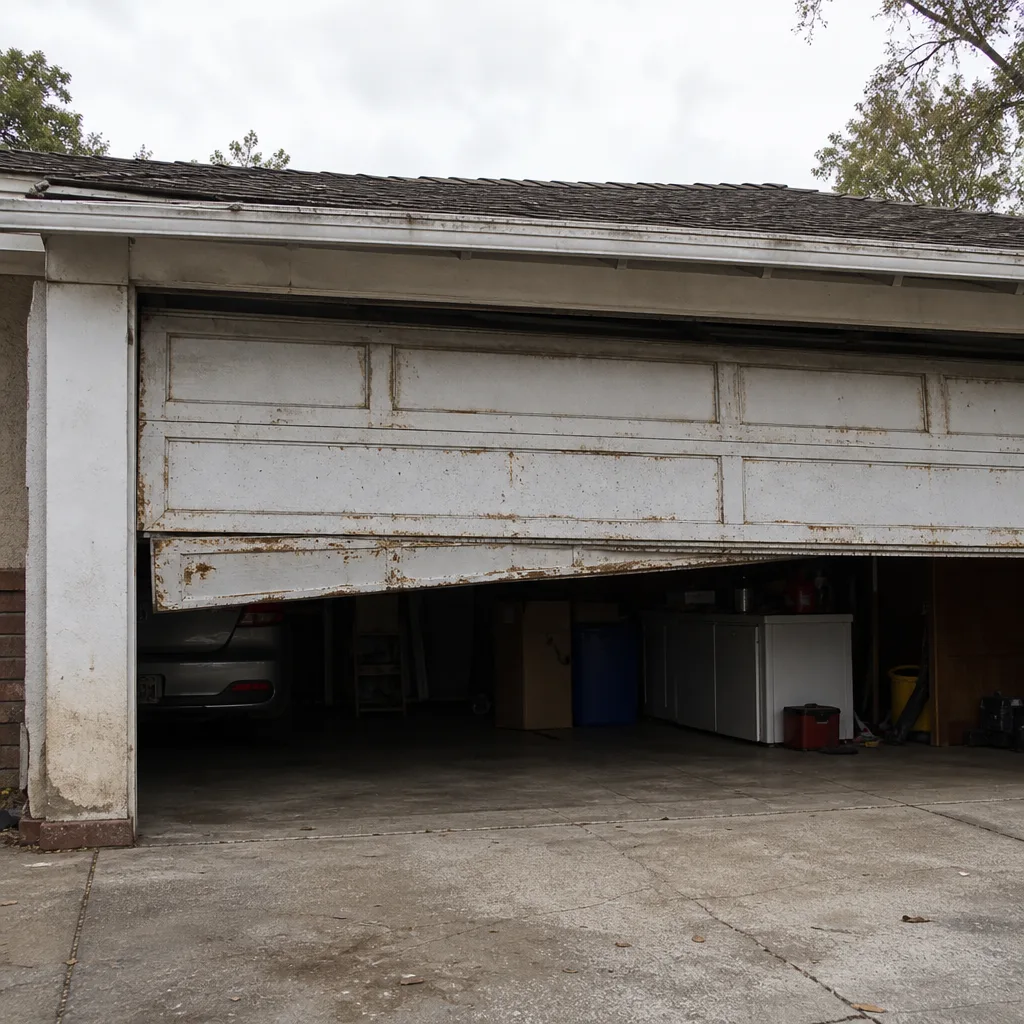 Before
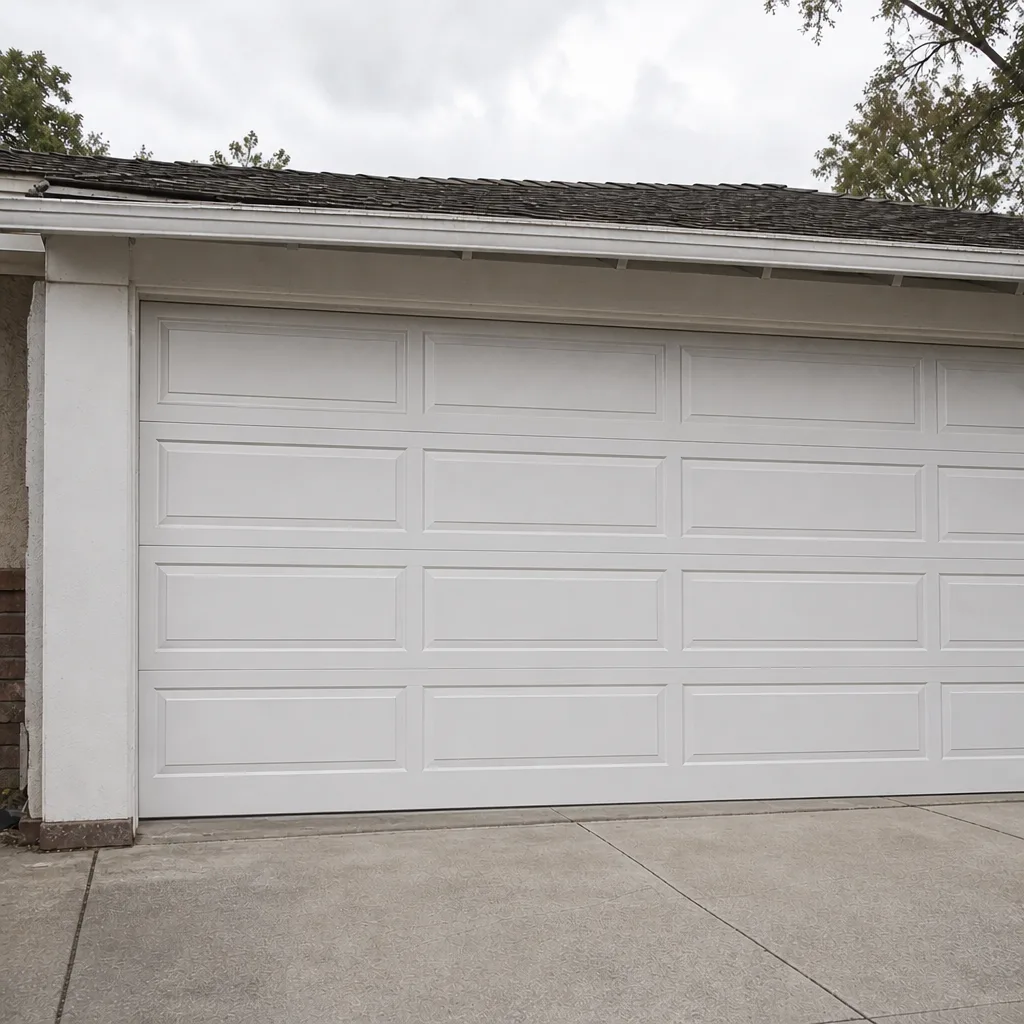 After
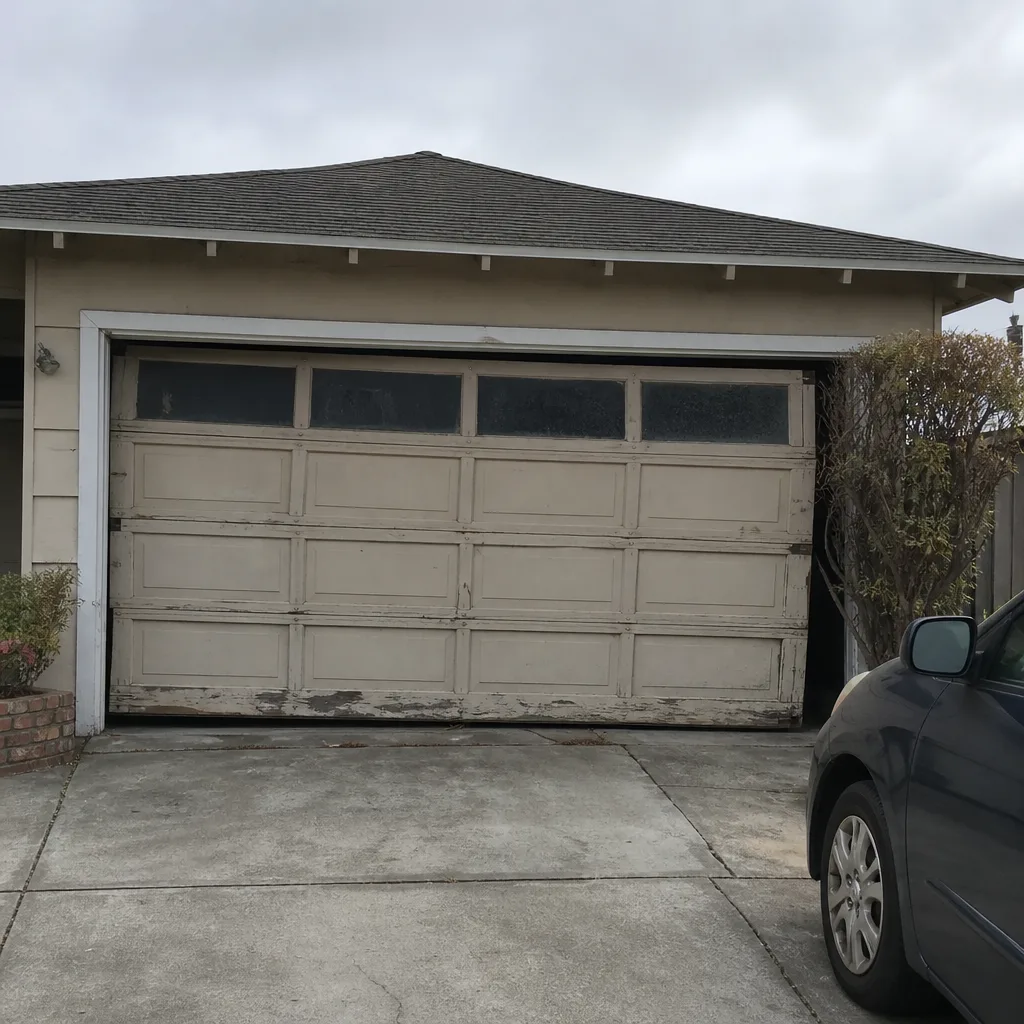 Before
 After