
Last updated November 4, 2026
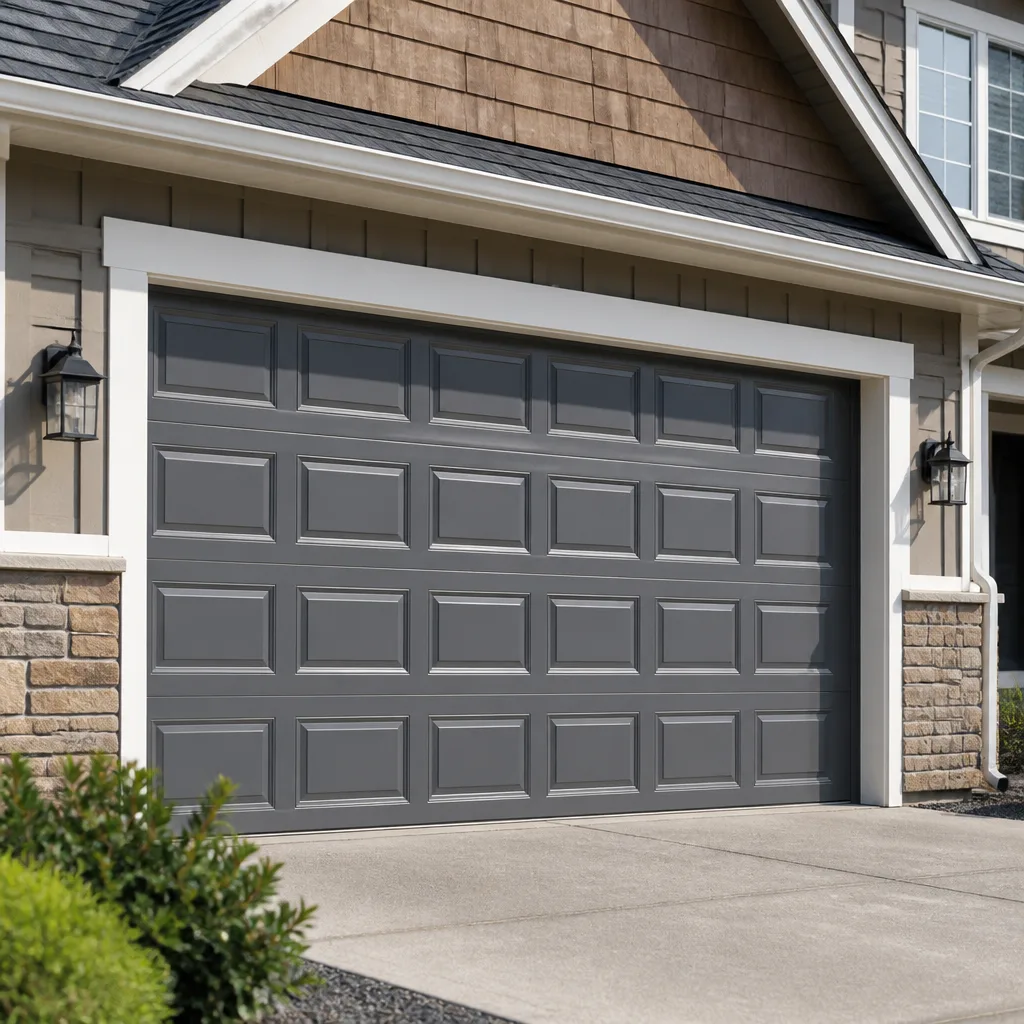 Raised-panel steel
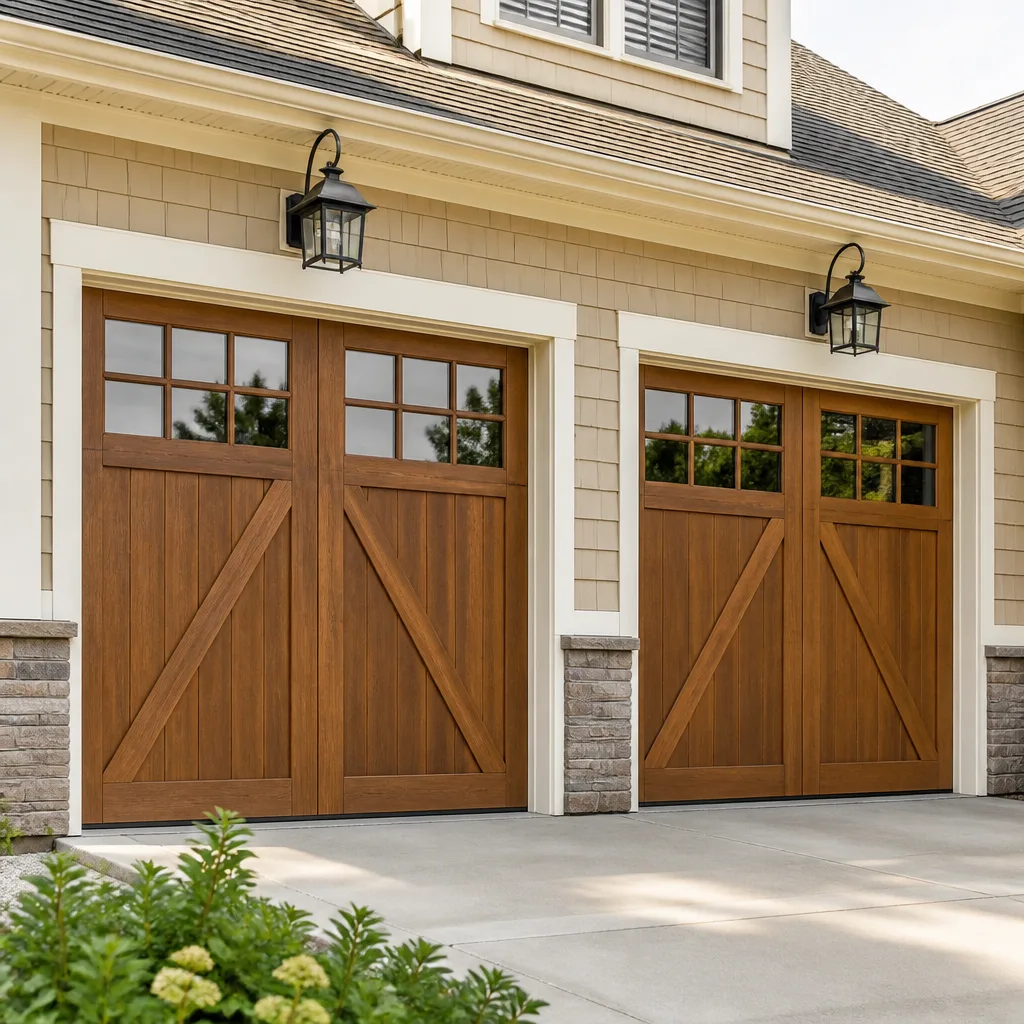 Carriage house
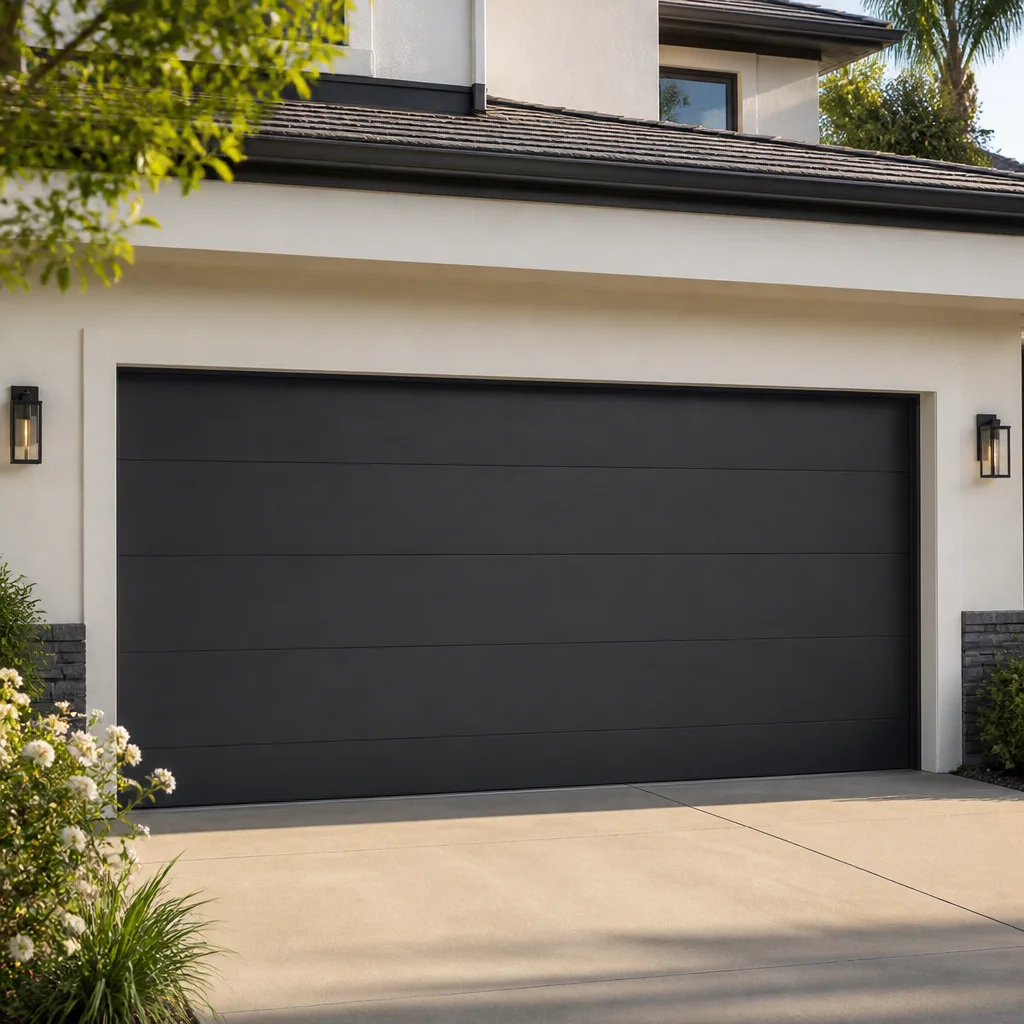 Modern flush
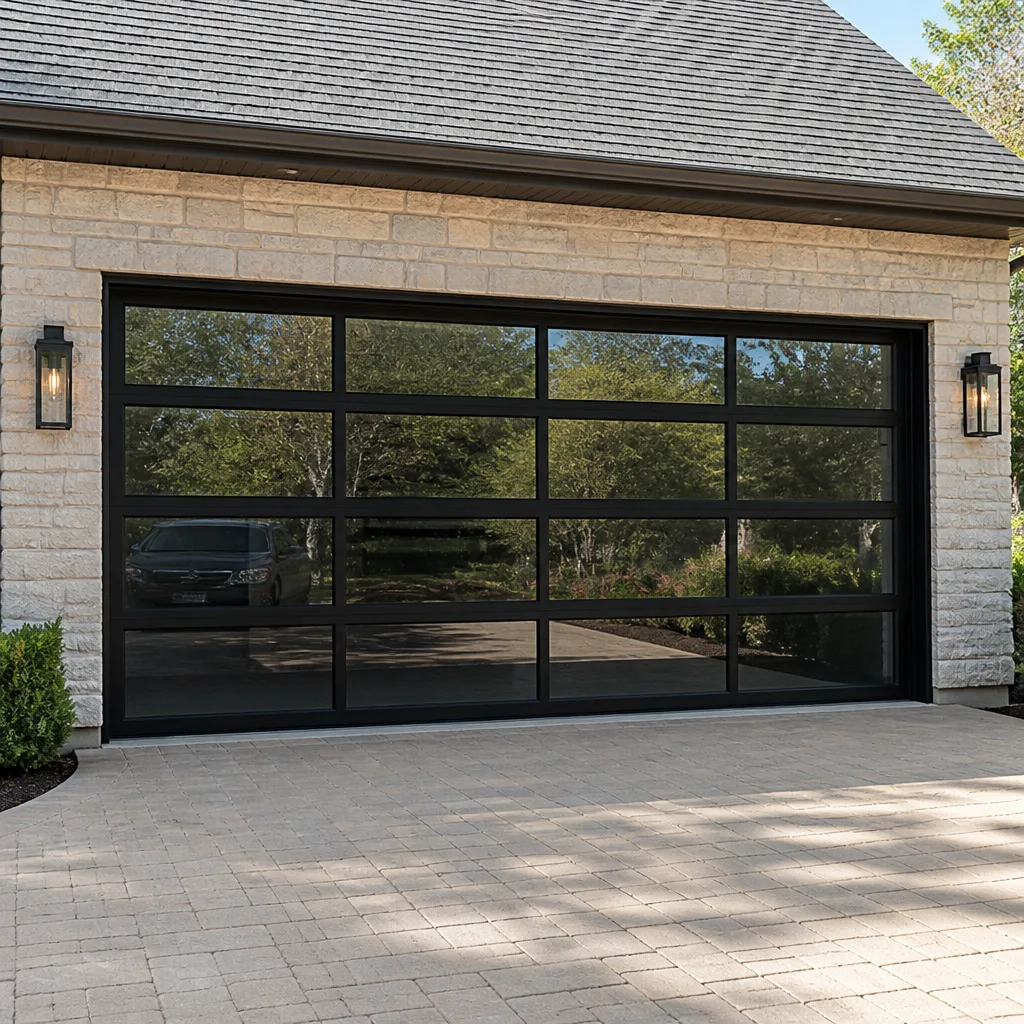 Full-view glass
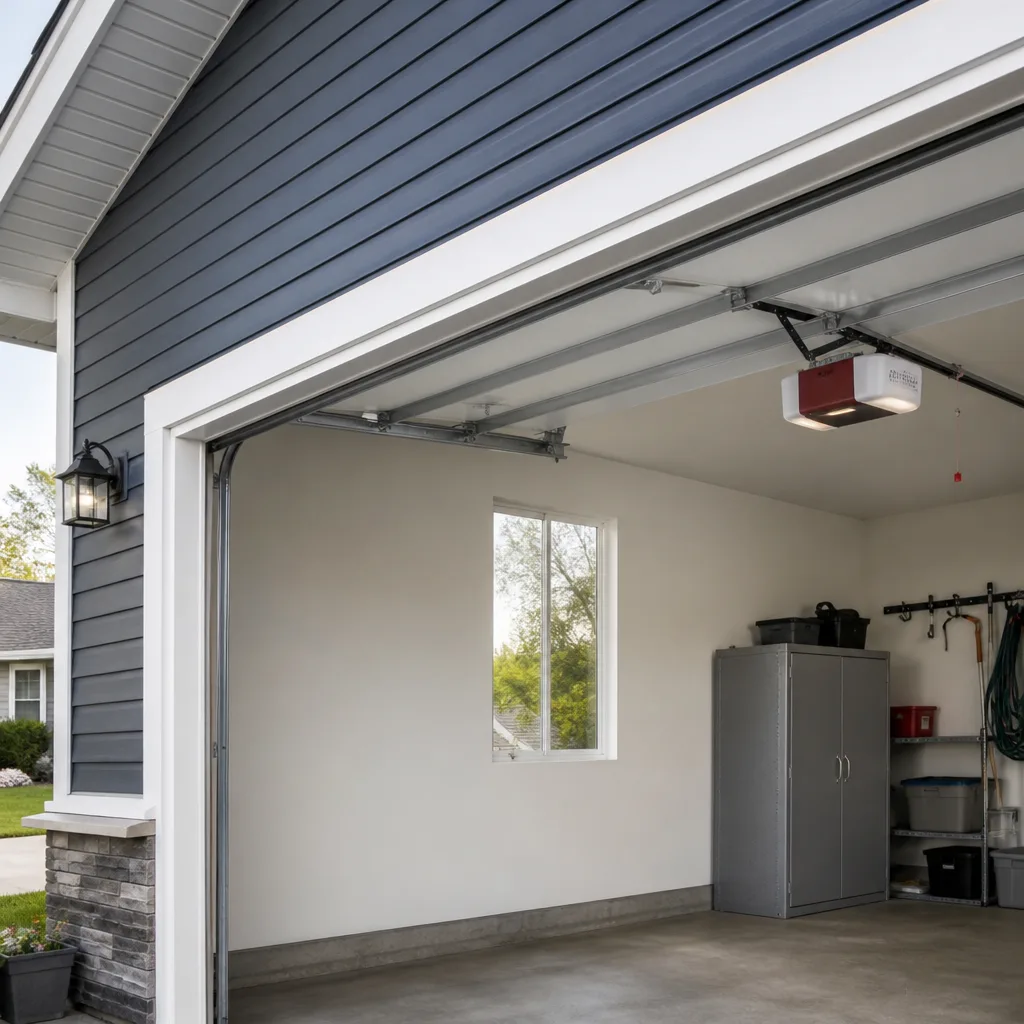 LiftMaster openers
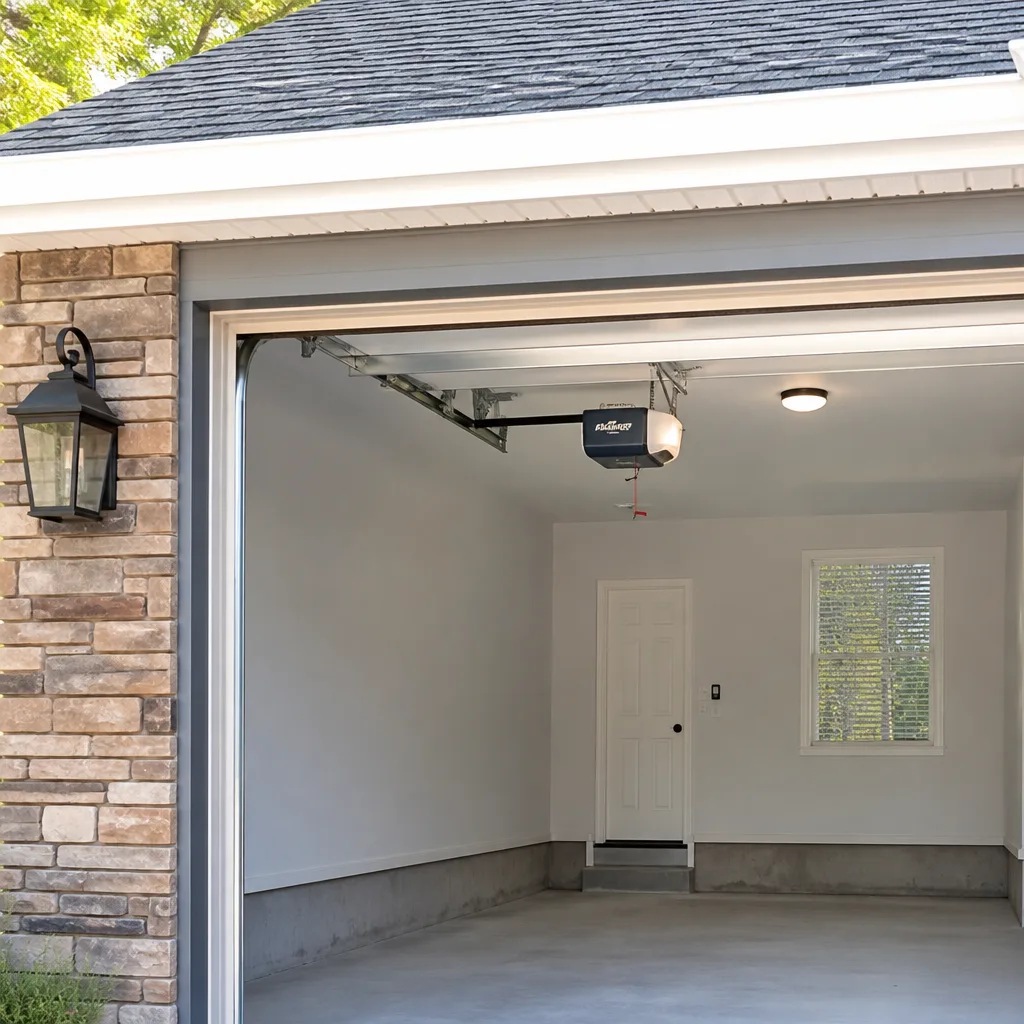 Chamberlain openers
Full 25-point door and opener safety check with every visit - springs, cables, rollers, tracks, and your LiftMaster or Chamberlain opener included
You get a price before we start. It does not change when the truck arrives.
Get your free estimateDIY vs Professional Garage Door: The Alameda Homeowner’s Decision Guide
Most homeowners assume the DIY question comes down to skill. It doesn’t. It comes down to stored energy. A torsion spring holds enough tension to lift a 150-pound door, and if that spring lets go while you’re working on it, the result can be broken bones, deep lacerations, or worse. This guide walks through exactly which garage door tasks in Alameda are genuinely safe to handle yourself, which ones carry injury or liability risk, and how to tell the difference before you pick up a wrench.
Quick Answer
In Alameda, weatherstripping, lubrication, sensor alignment, and remote programming are genuinely DIY-safe tasks that most homeowners can complete in under an hour. Spring replacement, cable work, and opener mounting should be left to a trained professional because the stored energy, tension, and weight involved create serious injury risk. For anything in the middle, an honest assessment starts with a free estimate rather than a hopeful guess.
Styles & brands we work with
- Raised-panel steel
- Carriage house
- Modern flush
- Full-view glass
- LiftMaster openers
- Chamberlain openers
Table of Contents
- Why Risk Matters More Than Skill
- The DIY-Safe Task List: What You Can Actually Handle
- Professional-Only Tasks: Where the Injury Risk Lives
- Why Alameda’s Climate Changes the Assessment
- California Permit Rules for Garage Door Work
- The Real Cost of a Failed DIY Job
- Working With a Professional When You Do the Prep Yourself
- Common Mistakes to Avoid
Why Risk Matters More Than Skill
You can be mechanically inclined, methodical, and careful. None of that matters when a spring under 200+ ft-lbs of torque snaps unexpectedly. The energy has to go somewhere, and it usually goes into whatever is closest: your hand, your face, or the ladder you’re standing on. We work on doors and openers from Oakridge Garage Door Service and we’ve seen what happens when a homeowner underestimates that force. It isn’t about competence. It’s about the fact that some components cannot be safely handled without the right winding bars, the right training, and the right respect for what the system does.
There’s also the liability angle. If you damage a door while attempting a repair, your homeowners insurance may not cover the cost of fixing your own mistake. If you injure a neighbor or a family member, the situation gets worse. Professional work carries accountability. DIY work carries all of it on you.
The DIY-Safe Task List: What You Can Actually Handle
Some jobs are genuinely low-risk and don’t require specialized tools. These are the tasks where DIY saves you money without exposing you to injury.
1. Weatherstripping Replacement
The rubber seal along the bottom of the door degrades over time, especially with the temperature swings and moisture we get in Alameda. Replacing it is straightforward: pull out the old seal, slide in the new one, and trim to length. No tension, no springs, no risk. This is the most homeowner-friendly repair on the entire door.
2. Lubrication
A can of garage door lubricant applied to the hinges, rollers, and track every six months extends component life and reduces noise. Avoid WD-40; it’s a solvent, not a lubricant. Use a silicone-based or lithium-based product designed for garage doors. Keep the spray off the springs themselves, and never let lubricant get on the safety sensors.
3. Safety Sensor Alignment
If the door reverses immediately after touching the floor or refuses to close at all, the photo-eye sensors near the bottom of the track are likely out of alignment. Loosen the wing nut, adjust the sensor so both lights are solid, and retighten. This is a five-minute job with zero mechanical risk.
4. Remote and Keypad Programming
Programming a new remote or wireless keypad is an electronic task, not a mechanical one. Most Chamberlain and LiftMaster units have a learn button on the opener that walks you through pairing. The owner’s manual has the exact steps. No ladder angle, no spring tension, no issue.
These four tasks cover most of the “simple” work homeowners ask about. Everything else moves into different territory.
Professional-Only Tasks: Where the Injury Risk Lives
This is the section where we stop being polite about DIY. The following tasks should never be attempted without professional training and tools.
Torsion Spring Replacement
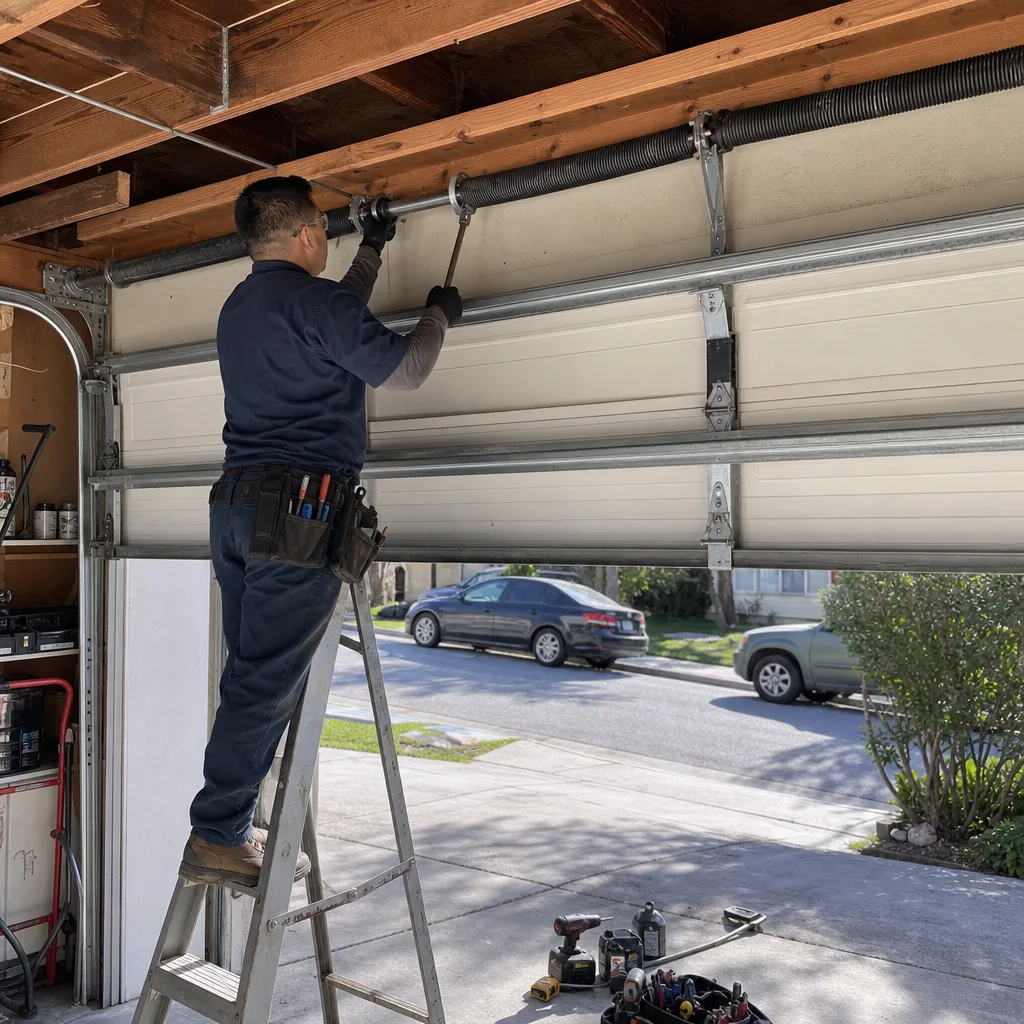
A torsion spring stores enough energy to lift the full weight of the door. When that spring releases, it unwinds at high speed. The winding bars used to install and remove these springs are not optional; they are a safety requirement. Even with the right bars, the procedure requires precise technique. We replace springs on doors from Craftsman, Raynor, Genie, and every other major brand, and the procedure is identical: controlled unwinding, careful measurement, and proper tensioning. One small slip can be catastrophic.
Cable Replacement
The cables work alongside the springs to lift and lower the door. They are under constant tension. If a cable snaps while you’re working nearby, it can whip across the garage with enough force to cause serious injury. Replacing a cable requires releasing the spring tension first, which circles you right back to the risk above. This is not a two-person homeowner job.
Opener Mounting and Replacement
A garage door opener installation involves electrical wiring, structural mounting to the ceiling, and precise travel-limit adjustments. Get the force settings wrong and the door can crush whatever is in its path. Get the mounting wrong and the opener can fall. This is why opener work is a named specialty at Oakridge Garage Door Service, and why we treat it as a separate service category from mechanical door work. The electrical and structural risks are real.
Track Adjustment and Panel Replacement
The track guides the door through its full range of motion. If it’s bent or misaligned, the door can bind, jump, or fall. Panel replacement means lifting and fitting sections that weigh 40-80 pounds each while the door is partially suspended. A dropped panel or a door that comes off its track is a genuine hazard.
Our rule of thumb: if the task involves springs, cables, opener mounting, or any part of the door that supports weight, call a professional. The savings you’re chasing won’t cover the medical bill.
Why Alameda’s Climate Changes the Assessment
Alameda’s mild winters are easy on doors in terms of ice and cold-weather stress. But the moisture in the air takes a toll on metal components. Hinges rust. Spring coils develop surface corrosion. Bolts and brackets that look intact from the outside can be structurally weakened underneath. A component that appears fine can fail without warning when force is applied.
This matters for the DIY conversation because corrosion changes the safety math. A spring with visible rust isn’t just old; it’s a potential failure point. Same for a cable with frayed strands hidden inside the track. And the problem is, corrosion isn’t always obvious. Sometimes the damage is internal, where the spring coils have worn against each other for years. A homeowner sees a spring that’s still holding the door up. A professional sees a spring that needs to be measured, tested, and likely replaced.
Our advice for Alameda homeowners: even if you’re handling the DIY-safe tasks yourself, have a professional inspect the door once a year. The inspection costs nothing during an estimate call, and it catches problems before they become injuries.
California Permit Rules for Garage Door Work
California has specific rules about who can do what on a garage door. It’s not just an injury question; it’s a legal one.
What You Can Legally Do Yourself
- Replace weatherstripping and seals
- Lubricate moving parts
- Align safety sensors
- Program remotes and keypads
- Replace batteries in openers and remotes
- Paint or cosmetic work
What Requires a Licensed Contractor
- Spring replacement (torsion or extension)
- Cable replacement or adjustment
- Track inspection, repair, or replacement
- Full door installation or replacement
- Opener installation that involves new electrical connections
The permit requirements vary by city and county. Some jurisdictions require a permit for full door replacement, while others treat it as maintenance. The best move is to check with the Alameda building department before starting any major door work. If a permit is required, that’s a signal the work is significant enough to warrant professional installation. Most cities require a permit for any work that modifies the structural opening or involves new electrical circuits, and that covers a lot of garage door work.
The Real Cost of a Failed DIY Job
People focus on the cost of hiring a professional. They rarely calculate the cost of a DIY attempt gone wrong. Here’s what a failed spring replacement actually costs:
- Medical expenses for injuries caused by the spring snapping: thousands of dollars, potentially much more
- Door panel damage when the door drops after a spring fails mid-job: $300-$800 per panel
- Track replacement when the door bends the track on the way down: $200-$500
- Cable damage from the door shifting under uncontrolled tension: $150-$300
- Opener damage when the motor burns out trying to lift a door with no spring support: $250-$600
- The eventual professional repair bill, which is now higher because the damage has to be remediated first: add 30-50% to the original repair cost
The math is simple. A professional garage door repair in Alameda is quoted and agreed before any work starts. A failed DIY job is an open-ended liability that starts with whatever broke and ends wherever the damage stopped. We’ve had homeowners call after the fact, and the conversation is always the same: the repair cost more than it would have if they’d called first.
And here’s the thing: professionals have done this hundreds of times. We know what a spring that’s about to fail sounds like, looks like, and feels like. We know which Chamberlain opener models have specific mounting requirements. We know which Raynor door models need specific cable routing. That knowledge is the difference between a one-hour job and a three-day repair.
Working With a Professional When You Do the Prep Yourself
There’s a middle path, and it’s one that works well for Alameda homeowners who want to save money without taking on risk. You handle the tasks that are genuinely safe. You leave the dangerous work to a professional. And you reduce your billable repair time by doing smart prep.
Here’s how to work effectively with a professional, even when you’re doing some of the work yourself:
- Do the diagnostic legwork. Before you call, note what’s happening: does the door open partway? Does it make a specific noise? Does the opener hum but not engage? The more specific you are, the faster the diagnosis.
- Handle cosmetic and low-risk maintenance before the professional arrives. If the weatherstripping needs replacing, do it. If the track needs cleaning, clean it. Every small task you complete is a task the professional doesn’t have to bill for.
- Clear the work area. Move vehicles, storage, and anything else out of the way. A clean work area speeds up every repair.
- Have your existing remote and opener information ready. Knowing whether you have a LiftMaster, Chamberlain, or Genie unit helps the technician prepare the right parts before they arrive.
- Ask for the free estimate up front. The garage door opener repair quote should be itemized and explained before any work begins. If the price changes, the technician should explain why before proceeding.
This approach gets you the cost savings of DIY on the safe tasks while keeping the dangerous work in professional hands. It’s the smartest way to approach garage door maintenance in Alameda.
Common Mistakes to Avoid
- Using the wrong lubricant. WD-40 displaces moisture but doesn’t provide long-term lubrication. It actually attracts dust and grime over time, which accelerates wear. Use a silicone-based or lithium-based garage door lubricant instead.
- Adjusting the spring tension yourself. This is the most common DIY injury we hear about. The thinking is “I’ll just tighten it a little.” There is no “a little” with torsion springs. Leave tension adjustments to professionals.
- Ignoring the safety sensors during DIY work. When you’re cleaning or lubricating near the bottom of the door, it’s easy to knock the sensors out of alignment without realizing it. Then the door refuses to close and you’re troubleshooting a problem you created.
- Forcing a door that’s stuck. If the door won’t move, something is binding. Forcing it by hand or by repeatedly pressing the opener strains the motor, bends the track, and can cause a cable to snap. Stop and diagnose instead.
- Disconnecting the opener without securing the door. Some homeowners pull the emergency release cord while the door is up, then try to close it manually. If the spring is broken or the cable is compromised, the door comes down fast. Always lower the door before pulling the release cord, and never try to work under a door that’s only supported by the opener.
- Assuming a visual inspection catches everything. As we covered earlier, Alameda’s moisture means components can look fine and be structurally compromised. A professional inspection catches what a visual once-over misses.
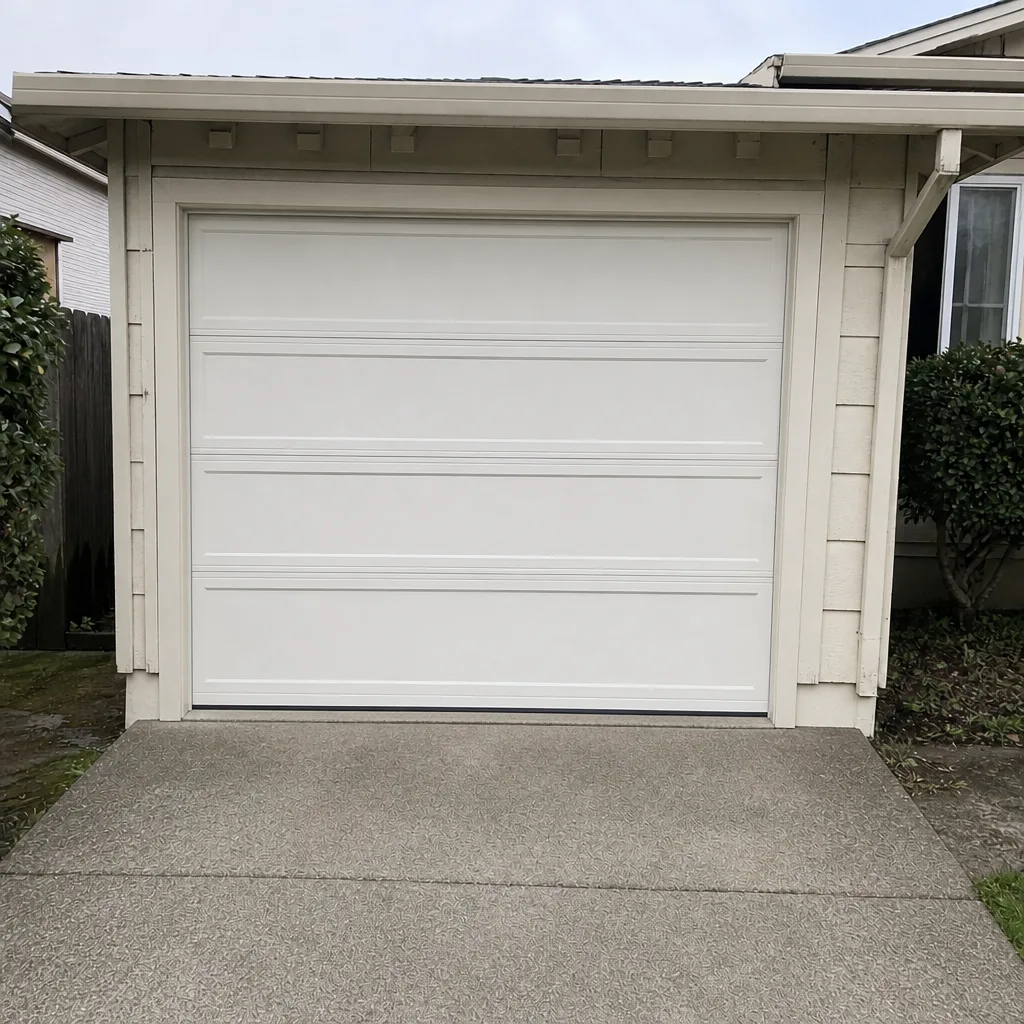
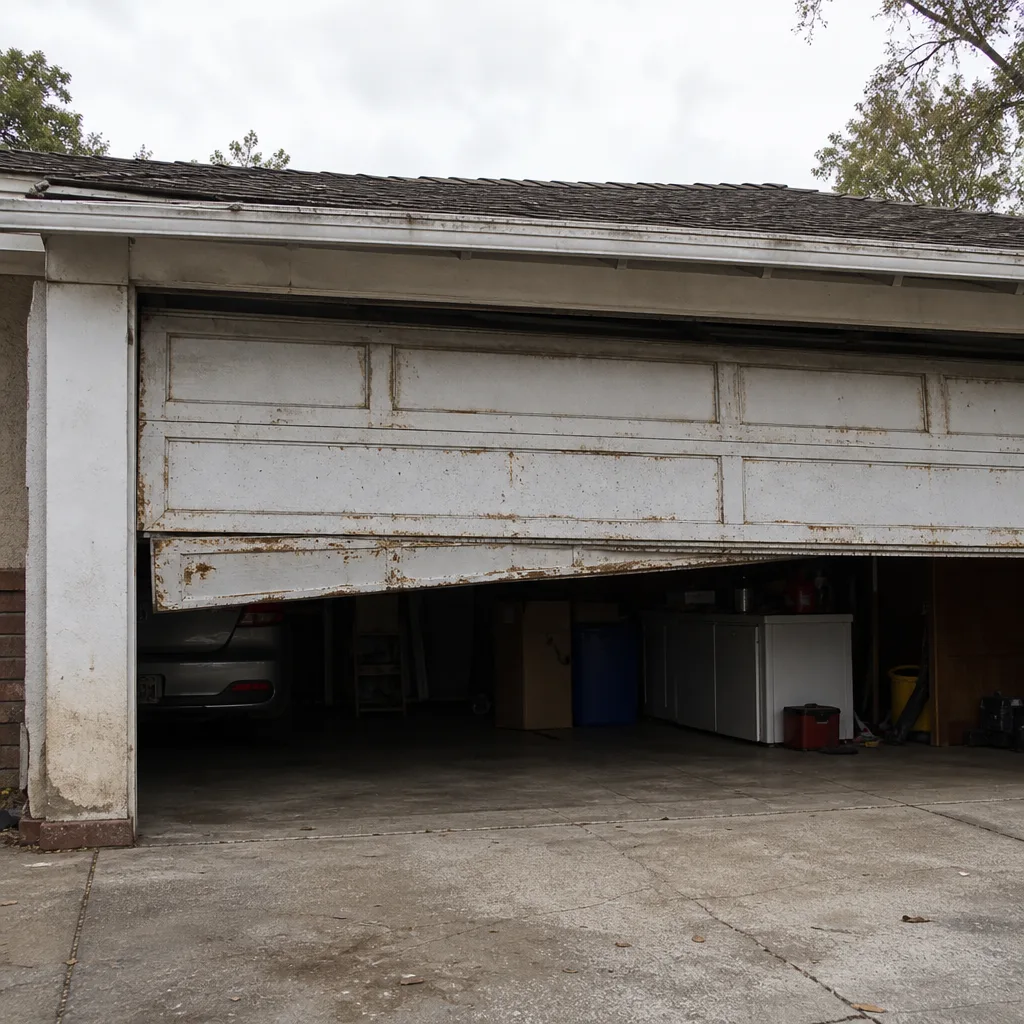
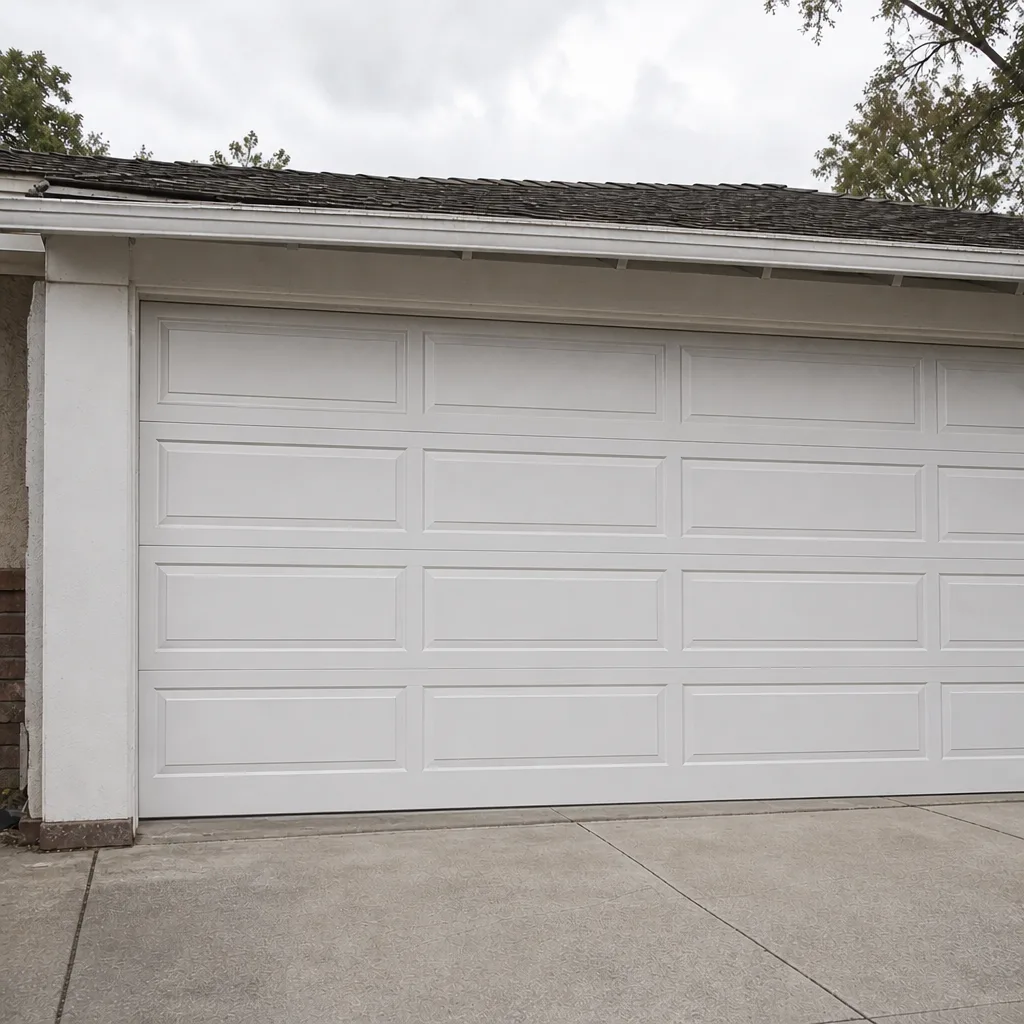
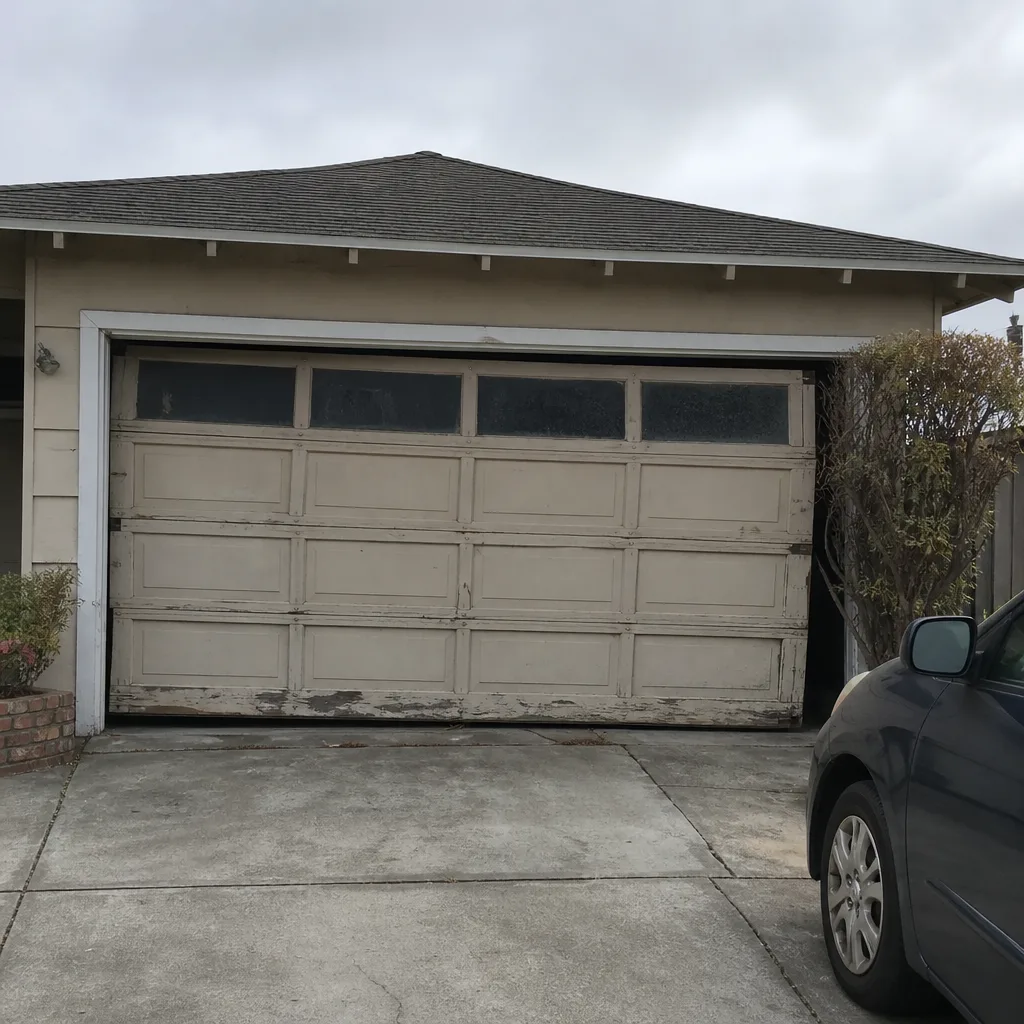
See the difference
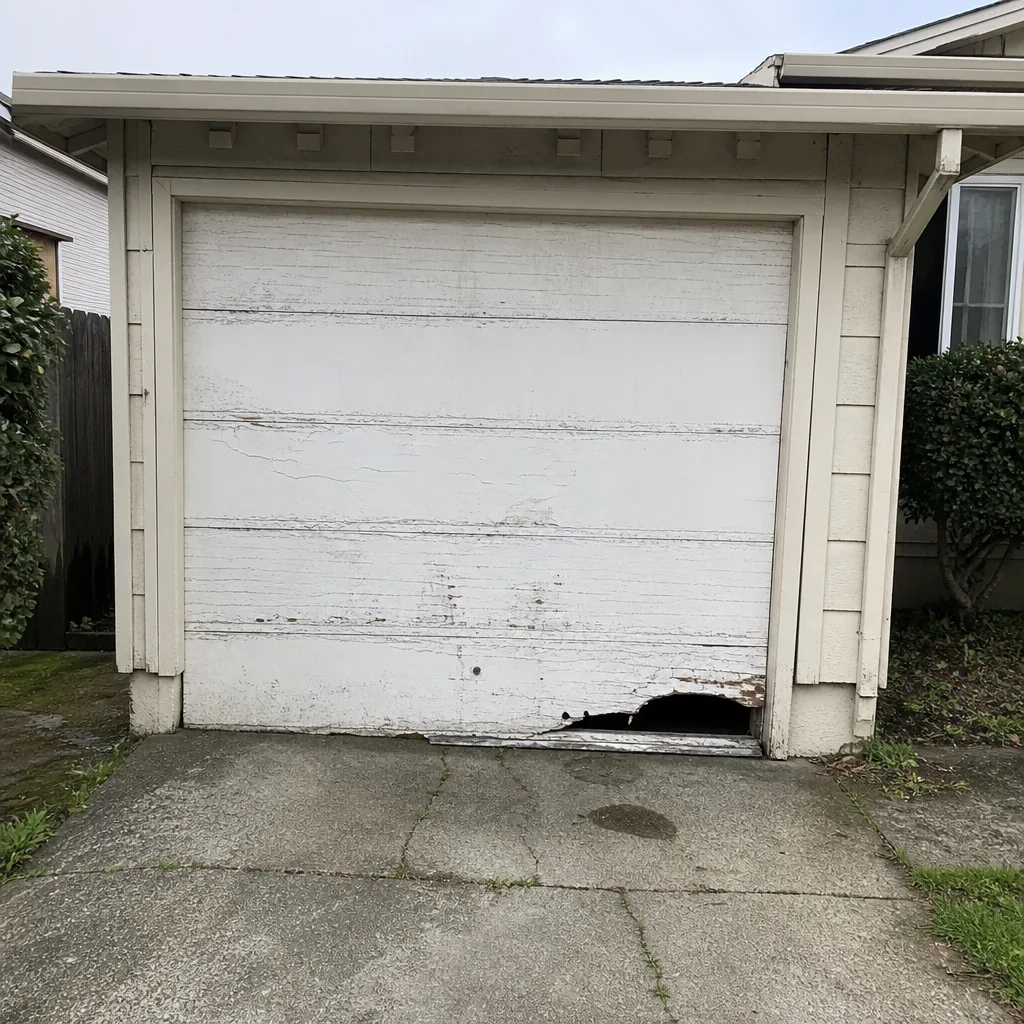 Before
 After
 Before
 After
 Before
 After
When to Call a Professional
Call a professional when the task involves springs, cables, opener mounting, track work, or any component under tension. Call when the door makes a sudden change in noise or movement. Call when you’ve tried the DIY-safe fixes and the problem persists. Call when the door is stuck open, stuck closed, or sitting crooked in the track. Oakridge Garage Door Service offers free estimates in Alameda. Call (855) 341-8689. We answer 24/7. Fast dispatch from 7am to 7pm, Sunday through Friday.
Frequently Asked Questions
A spring replacement in Alameda typically costs between $200 and $400 for a single spring, with most doors requiring two springs that should be replaced as a matched pair. The total is usually $400 to $800 including labor. The exact price depends on the spring weight rating and the door model, and the written estimate sets the final price before work starts.
Panel replacement is not a recommended DIY task because each panel weighs 40 to 80 pounds and must be aligned precisely with the existing track and hinges. A misaligned panel binds the door, damages the track, and creates a falling hazard. This work is safer and faster with a professional.
Yes, lubrication is one of the safest DIY tasks if you use the right product and avoid the springs and safety sensors. Apply a silicone-based or lithium-based lubricant to hinges, rollers, and the track every six months. This reduces friction and extends component life without exposing you to tension or stored energy.
Warning signs include a visible gap in the spring coil, rust on the spring surface, a door that feels heavy when opened manually, or a door that only opens a few inches before stopping. If you notice any of these, stop using the door and call for professional inspection. A broken spring under tension is dangerous even when it’s not actively lifting the door.
Some California jurisdictions require a permit for opener installation that involves new electrical wiring, while others treat it as maintenance. Check with the Alameda building department before starting. If a permit is required, that’s a signal the work should be handled by a licensed contractor.
Same-day service is available for most repair calls. Call (855) 341-8689. We answer 24/7. Fast dispatch from 7am to 7pm, Sunday through Friday. A call outside dispatch hours is booked into the next opening. Estimates are free, and the price is agreed before any work begins.
The Bottom Line
The DIY vs. professional decision isn’t about whether you’re handy. It’s about whether the task exposes you to stored energy, falling weight, or liability. Weatherstripping, lubrication, sensor alignment, and remote programming are safe to handle yourself. Spring replacement, cable work, opener mounting, and track repair are not. Alameda’s moisture-heavy air makes professional inspection even more important, because corrosion hides inside components that look solid. Do the safe work yourself, leave the dangerous work to professionals, and get a free estimate before you decide anything. Call (855) 341-8689.
Written by the team at Oakridge Garage Door Service, serving Alameda since 2015.