
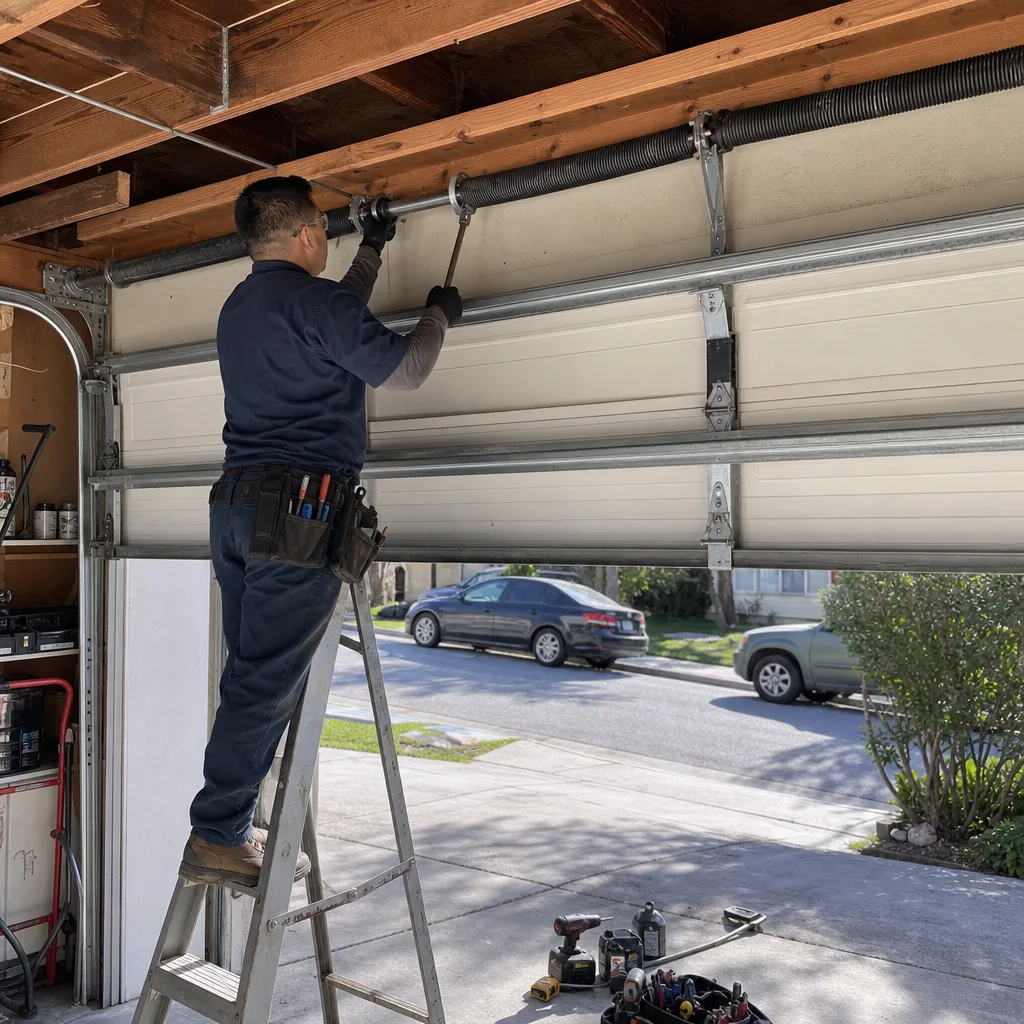
Last updated November 4, 2026
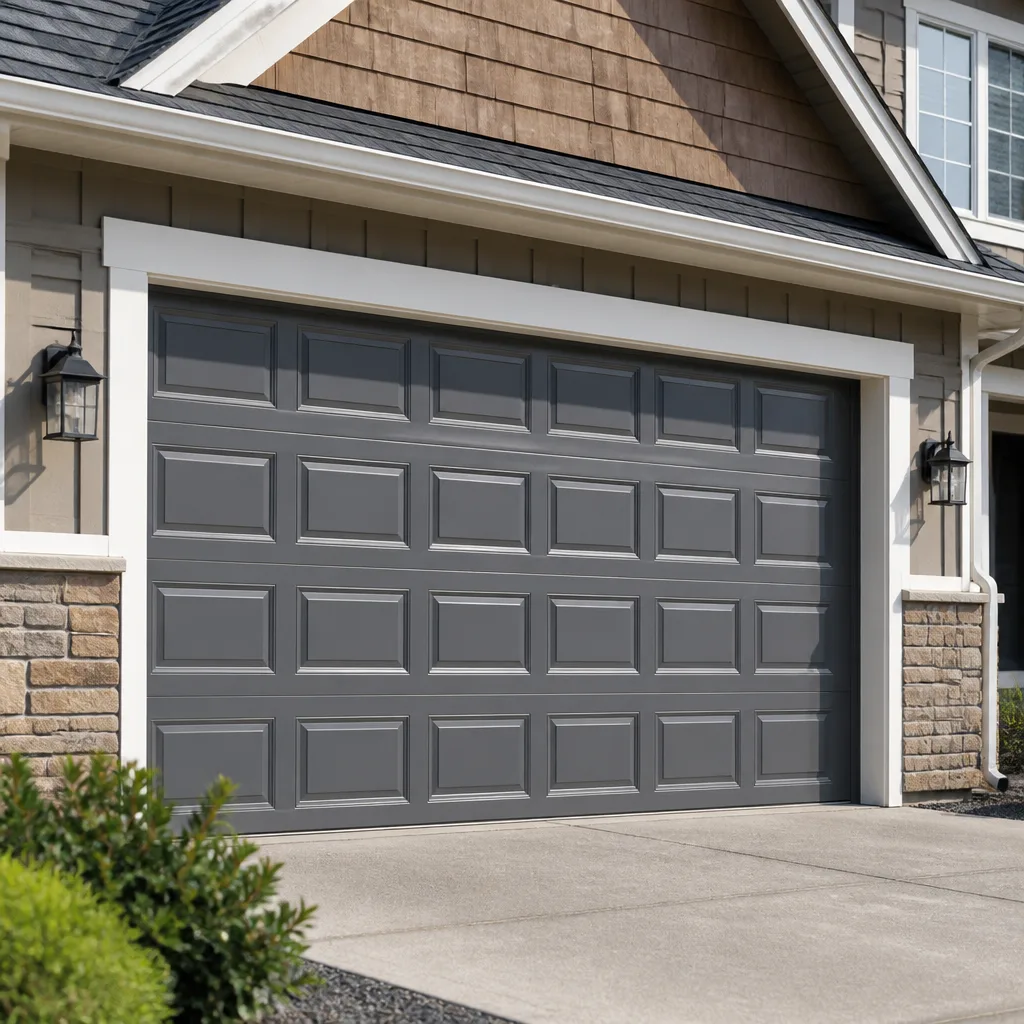 Raised-panel steel
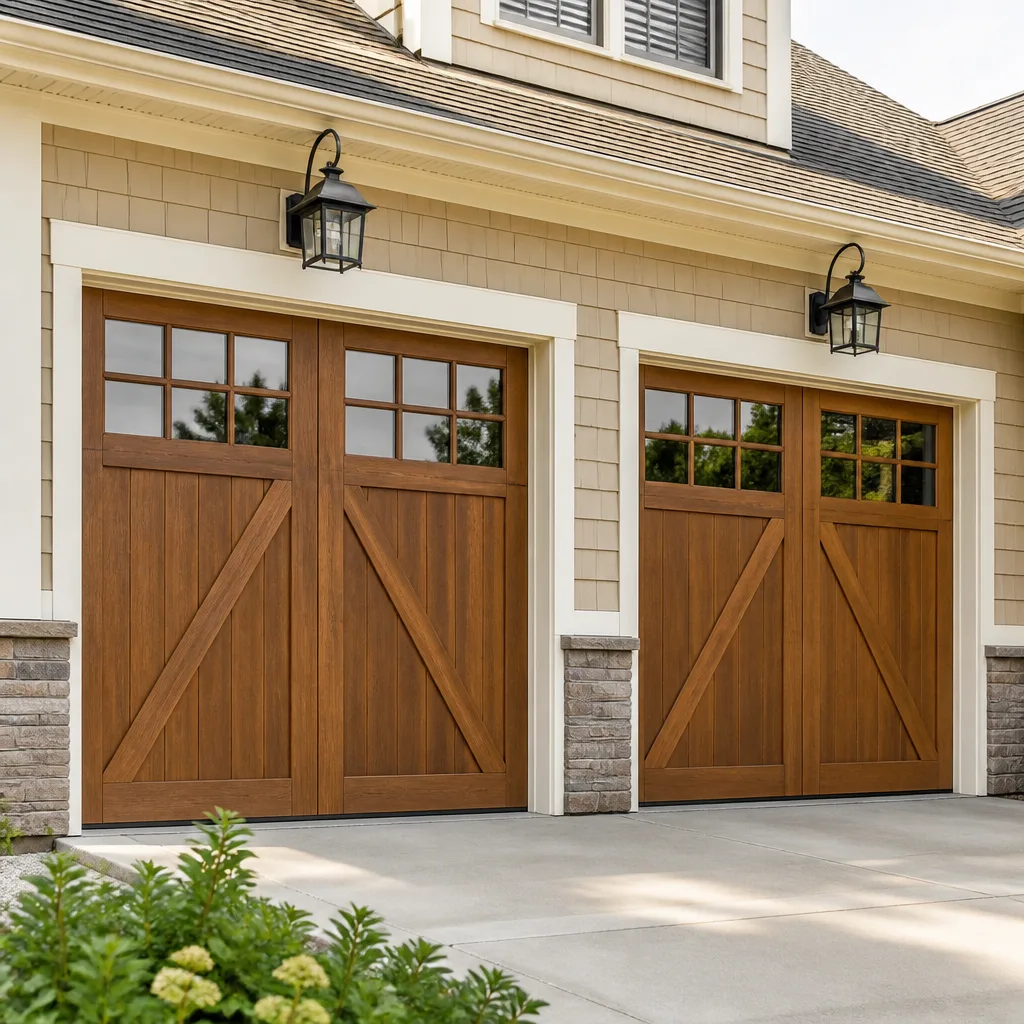 Carriage house
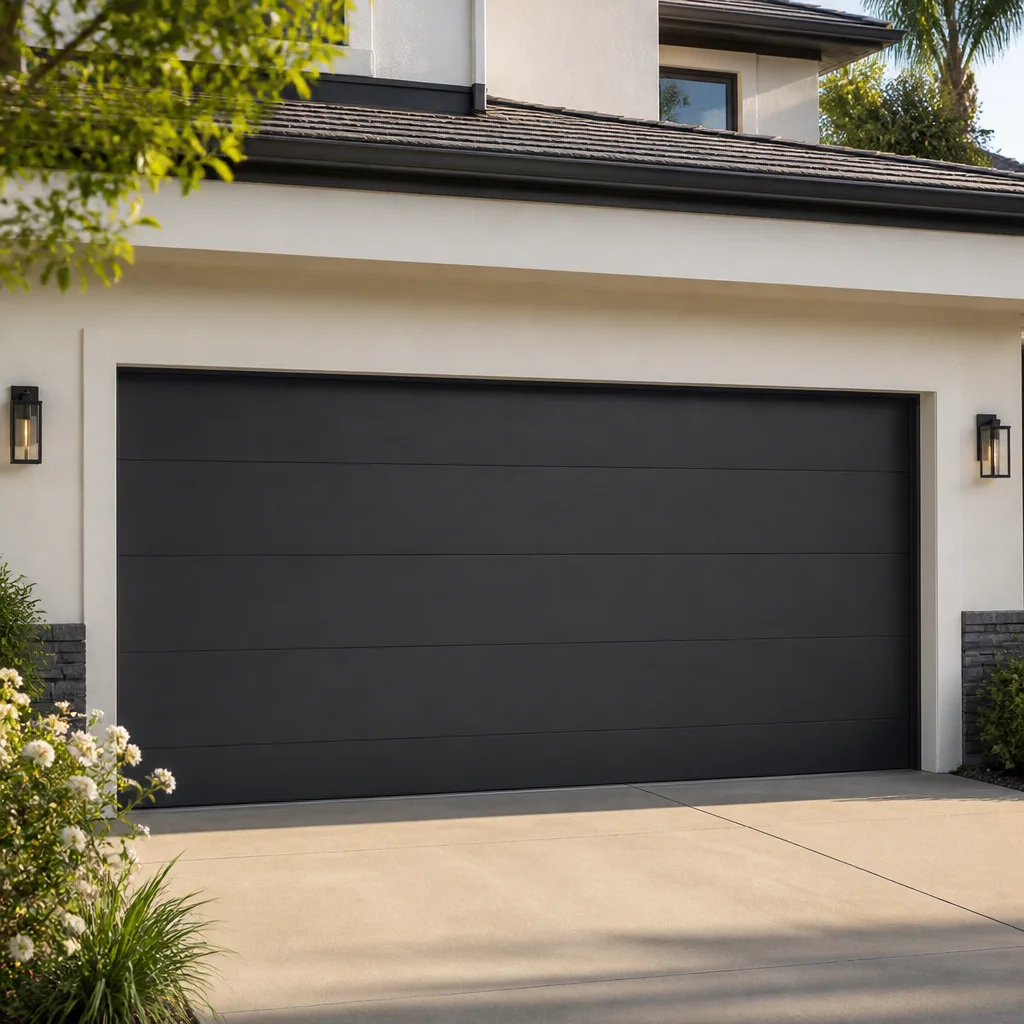 Modern flush
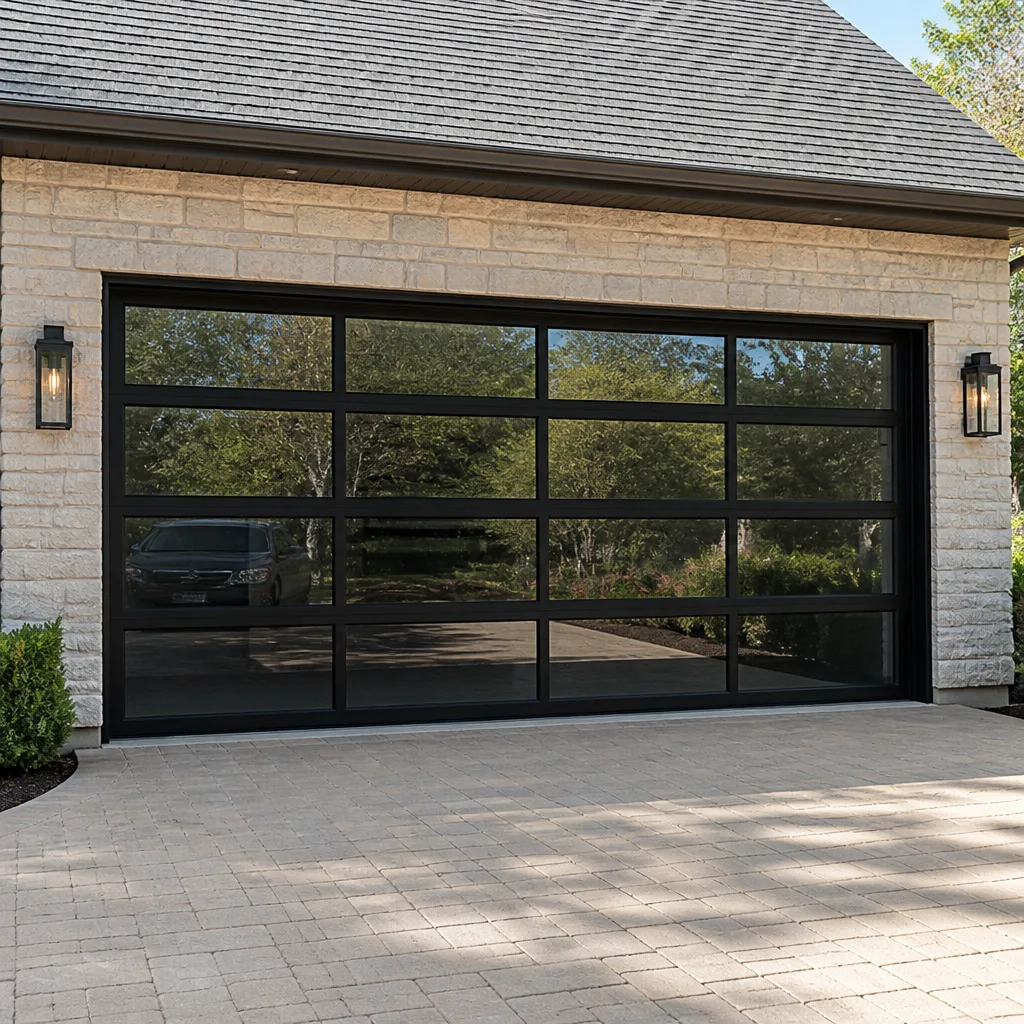 Full-view glass
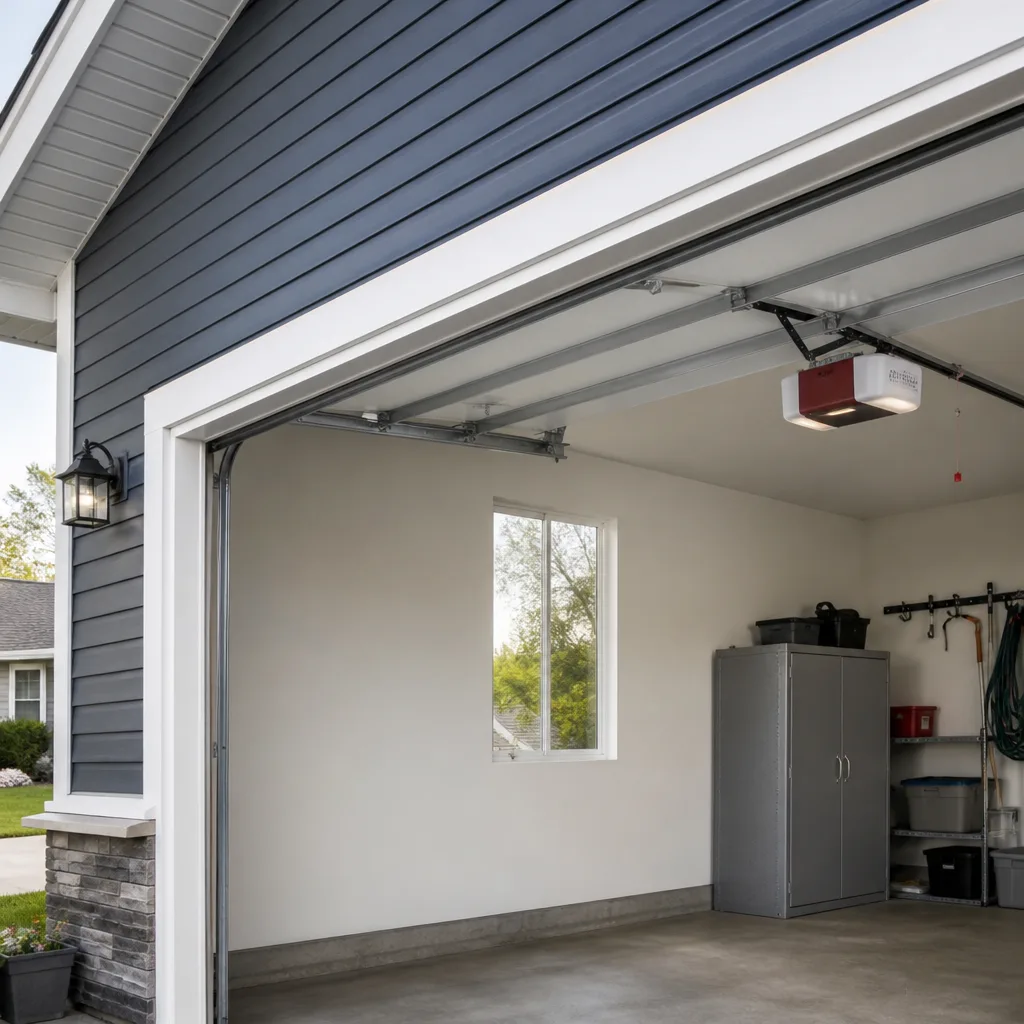 LiftMaster openers
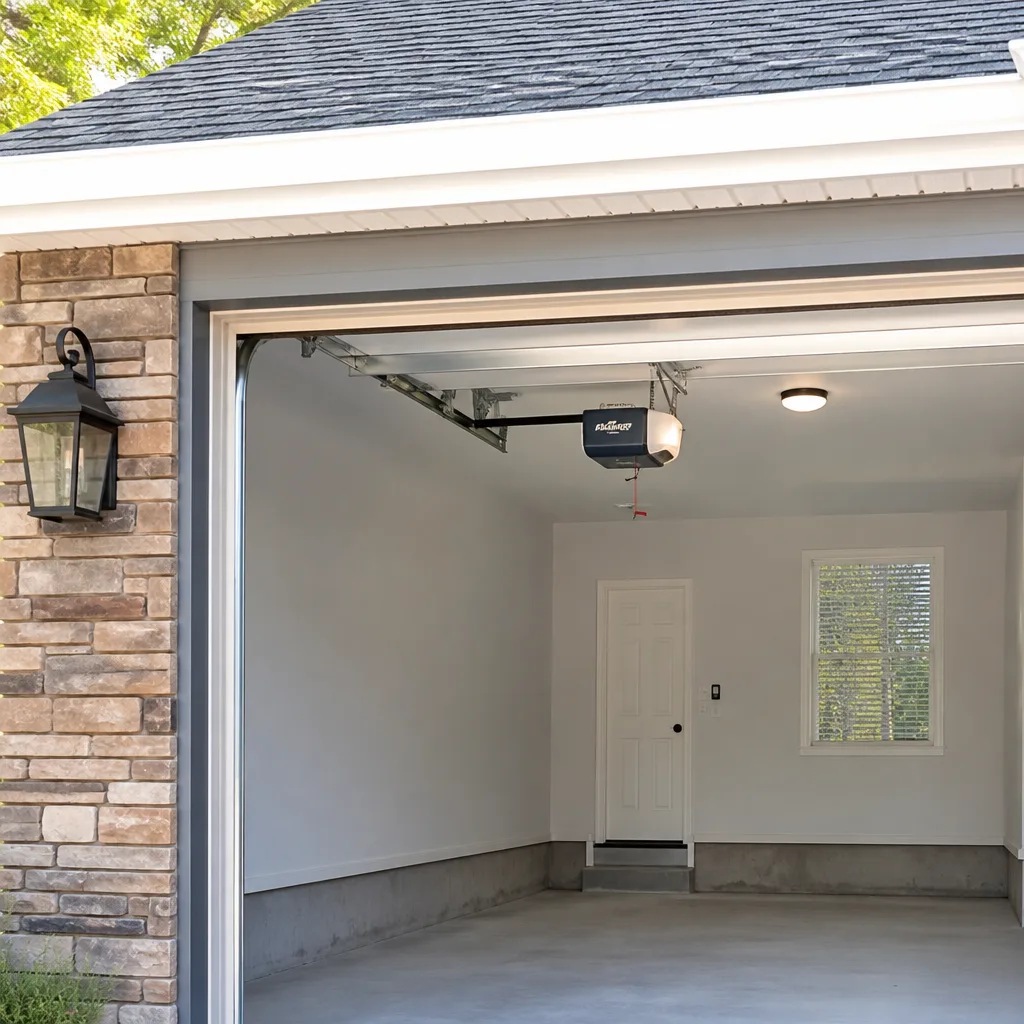 Chamberlain openers
Full 25-point door and opener safety check with every visit - springs, cables, rollers, tracks, and your LiftMaster or Chamberlain opener included
You get a price before we start. It does not change when the truck arrives.
Get your free estimateGarage Door Permits, Codes & Inspections in Alameda, CA: What You Need to Know
Most homeowners in Alameda assume a garage door swap is a simple, permit-free afternoon job. It often is. But the moment the opening size changes, a window is added, or the old door was installed before current energy standards, the project moves from “simple replacement” to “permitted alteration” without the contractor mentioning it. A quick quote that ignores this can quietly become a headache during escrow. This guide explains exactly where the City of Alameda draws the permit line, what California Title 24 requires for attached garages, what an inspector actually looks for, and who is legally on the hook if work is done without approval.
Styles & brands we work with
- Raised-panel steel
- Carriage house
- Modern flush
- Full-view glass
- LiftMaster openers
- Chamberlain openers
Quick Answer
In Alameda, a like-for-like garage door replacement that doesn’t change the opening size, framing, or the door’s design is typically exempt from a building permit. A permit is generally required when the rough opening is altered, structural headers or jambs are modified, or energy features like windows or insulation are added to an attached garage. Before any work begins, call the City of Alameda Building Division to confirm your specific project’s status.
Table of Contents
- Alameda’s Permit Thresholds: What’s Exempt vs. What Requires a Permit
- How California Title 24 Affects Garage Door Replacement in Alameda
- What an Alameda Garage Door Inspection Actually Checks
- How Unpermitted Garage Door Work Shows Up During Escrow
- Who Pulls the Permit: Contractor vs. Homeowner
- Step-by-Step: Getting a Garage Door Permit in Alameda
- Common Mistakes to Avoid
- When to Call a Professional
- Frequently Asked Questions
- The Bottom Line
Alameda’s Permit Thresholds: What’s Exempt vs. What Requires a Permit
The City of Alameda Building Division follows the California Residential Code for permit requirements, but local interpretation matters more than most contractors admit. The basic rule: replacing a garage door with another door of the same size and design, where no structural member is touched, is typically considered maintenance and repair work that doesn’t trigger a permit. The door, tracks, springs, and opener can usually be swapped without pulling anything at the city.
That interpretation changes the moment any of these things happen:
- The rough opening changes size. If the new door is wider or taller than the old one, the framing, header, or jamb must be modified. That’s structural work. A permit is almost certainly required in Alameda.
- A window is added to the door. Adding glazing changes the door’s energy profile and triggers a review under California’s energy code. This is a common oversight in older Alameda homes where the original door was solid steel with no windows.
- The door style changes from solid to insulated or from non-glazed to glazed. When the thermal characteristics change, the city wants it documented.
- Spring line or track configuration changes. Converting from extension springs to torsion springs, or moving the tracks, can require new anchoring points. Depending on the scope, this may cross the line into a permit.
- The garage is being converted to living space or structurally altered. If the garage wall is part of a shear wall system, any modification to the opening is treated seriously. Many Alameda homes built before 1980 have garage walls that contribute to lateral bracing.
For most straightforward replacements, no permit is needed. The job stays within the existing footprint, the existing opening, and the existing structural configuration. That’s the distinction to remember: the door itself is a product; the opening is a structure. When only the product changes, the city generally stays out of it. When the structure changes, the city gets involved.
If you’re unsure where your job falls, call the City of Alameda Building Division directly. They’ll ask about the opening size, the door type, and whether any framing is involved. You’ll have your answer in a five-minute conversation.
How California Title 24 Affects Garage Door Replacement in Alameda
California’s Title 24 energy code applies to attached garages in Alameda because the garage shares a wall or ceiling with conditioned living space. The code requires that building components separating conditioned space from unconditioned space meet minimum insulation standards. A garage door on an attached garage is part of that boundary.
Here’s what that means in practice:
If you’re replacing a door on an attached garage in Alameda and the new door will have windows, the glazing needs to meet Title 24 requirements for U-factor and solar heat gain coefficient. A door with standard single-pane glass may not comply. This is why a “quick quote” from a contractor who doesn’t ask whether your garage is attached or detached should give you pause.
For detached garages, Title 24 doesn’t apply the same way. A detached garage has no conditioned space adjacent to it, so the door’s thermal performance is not regulated by the energy code. But Alameda has many pre-war homes with attached garages tucked under living space, and those are exactly the projects where Title 24 matters.
The code also addresses air leakage. A new garage door on an attached garage should seal properly against the opening to limit uncontrolled air movement between the garage and the living space above or beside it. Inspectors in Alameda may check the weatherstripping and the door’s fit as part of a permitted replacement.
Alameda’s mild climate means the energy conversation here is less about heating load and more about keeping conditioned air from leaking into an unconditioned garage. The requirements are not extreme, but they exist. A door with an insulated core in the R-6 to R-9 range is a common choice for attached garages, and products from Amarr and Wayne Dalton are frequently specified because their insulated lines are well-documented for Title 24 compliance paperwork.
What an Alameda Garage Door Inspection Actually Checks
If your project requires a permit, it will also require an inspection. Knowing what the inspector looks at prevents surprises. In Alameda, the inspection for a permitted garage door replacement is generally a final inspection, not a rough-in, unless structural framing was exposed during the work.
The inspection checklist typically covers:
- Opening dimensions. The inspector verifies the installed door matches the permitted plans. If the plans called for a 16×7 door and the opening now holds a 16×8, that’s a correction.
- Header and jamb condition. If the permit included framing work, the inspector checks that the header is correctly sized and the jambs are properly anchored. This is a structural review, not a cosmetic one.
- Hardware safety. Springs, cables, and torsion hardware are checked for proper installation. The inspector is looking for compliance with the manufacturer’s installation instructions, not performing a full safety audit. But obviously undersized or misaligned hardware will be flagged.
- Energy code compliance. On attached garages, the inspector may check the door’s insulation label and confirm the glazing, if any, matches what was submitted for Title 24 review. The label on the door panel matters.
- Weatherstripping and sealing. For attached garages, perimeter weatherstripping and threshold sealing are checked to confirm the air barrier is intact.
- Photoelectric sensors and reversal. The inspector will likely confirm that the safety sensors are present and the opener reverses when it encounters resistance, though this is sometimes left to the installer’s own verification.
Most inspections take under thirty minutes. The inspector is not there to nitpick the door’s appearance. The focus is structural safety, code compliance, and whether what was installed matches what was approved.
How Unpermitted Garage Door Work Shows Up During Escrow
Unpermitted work on a garage door rarely causes an immediate problem. It causes a problem years later, when the house is sold. In Alameda’s real estate market, buyers commonly request a permit history review during escrow. If the city’s records show no permit for a garage door replacement that appears newer than the last permitted alteration, the seller may be asked to explain it.
Here’s the specific chain of events we’ve seen play out in Alameda transactions:
- The buyer’s home inspector identifies the garage door as newer than the rest of the garage. This happens most often when the door has windows that the original didn’t, or when the opening size clearly changed.
- The buyer’s agent pulls the permit history from the City of Alameda. No record of a garage door permit appears.
- The buyer requests retroactive permitting or a price concession. Retroactive permitting means the seller must apply for a permit after the fact, open the wall to expose framing if required, and pay for an inspection. That’s invasive and expensive.
The complication is rarely about the door itself. It’s about the unknown condition of the framing, header, and structural connections behind the door. When there’s no permit record, there’s no inspection record, and the buyer’s agent will generally treat that as a liability.
For Alameda homeowners, the practical takeaway is this: if your door replacement changes the opening, the framing, or the energy profile of an attached garage, pull the permit at the time of the work. It’s a small cost now. It’s a transaction risk later.
Who Pulls the Permit: Contractor vs. Homeowner
This is where homeowners get surprised. The legal responsibility for obtaining a required building permit ultimately falls on the property owner, not the contractor. A contractor who does unpermitted work may face their own consequences, including disciplinary action against their license, but the permit violation attaches to the property. The owner owns the problem.
A legitimate contractor will tell you that a permit is required and will typically handle the permit application as part of the job. That means:
- The contractor prepares the permit application with the scope of work, product specifications, and any drawings or energy compliance forms the city requires.
- The contractor submits the application to the City of Alameda Building Division and pays the permit fee, which is then passed through to the homeowner on the final invoice.
- The contractor schedules and attends the inspection. The inspector reviews the completed work with the contractor on site.
- The permit is finalized and closed, and the city’s records reflect a completed permit for the garage door work.
If your contractor tells you a permit isn’t needed, ask them to explain why. If the opening size is changing and they still say no permit is needed, get a second opinion from the city. Contractors sometimes avoid permits because permits add a few days to the schedule and a line item to the invoice. But the homeowner is the one who carries the unpermitted-work risk, not the contractor.
When we handle garage door installation in Alameda, we tell homeowners upfront whether their project crosses the permit threshold. If it does, we handle the application and the inspection as part of the job. If it doesn’t, we say so plainly and we don’t pad the quote with a permit fee that was never required.
Step-by-Step: Getting a Garage Door Permit in Alameda
The permit process in Alameda is straightforward when you know the sequence. Here’s the order of operations for a typical permitted garage door replacement:
- Determine whether your project needs a permit. Call the City of Alameda Building Division and describe the work. Be specific about whether the opening size changes, whether framing is involved, and whether the garage is attached or detached.
- Select the door and opener. You’ll need product specifications for the permit application. This includes the door model, size, insulation value if applicable, and glazing details if the door has windows. For the opener, the model and safety features matter.
- Prepare the permit application. The application describes the scope of work. If framing is involved, a simple drawing of the opening, with dimensions and header details, is usually sufficient for a garage door permit. No architect is needed for a typical replacement.
- Submit the application and pay the fee. The City of Alameda Building Division will review the application. Simple garage door permits are often approved quickly. More complex projects, like enlarging an opening or converting a garage, take longer.
- Complete the work. The door is installed, the opener is mounted, and the safety sensors are connected. If rough framing was inspected, that inspection happens before the door is installed. Otherwise, only a final inspection is needed.
- Schedule the final inspection. The inspector verifies the completed work against the permit. Once it passes, the permit is closed and the work is officially documented.
Two things worth knowing about Alameda specifically: the building division is responsive on the phone, and they’ll generally tell you during the first call whether your project is a permit project or not. The other thing is that many Alameda garages are compact, with tight clearances for track hardware and opener mounting. That doesn’t change the permit requirements, but it does mean the door selection should account for the actual space, not just the opening width.
Common Mistakes to Avoid
- Assuming every garage door replacement is permit-free. Like-for-like swaps usually are exempt. But the moment the opening size, framing, or energy profile changes, the exemption disappears. Confirm with the city before you sign a contract.
- Trusting a contractor’s quick “no permit needed” without checking. Some contractors downplay permit requirements to keep the quote low and the schedule fast. The homeowner, not the contractor, carries the unpermitted-work risk. A five-minute call to the city clears it up.
- Enlarging the opening without addressing the header. A wider garage door needs a properly sized header. Cutting the opening wider without structural review is dangerous and will fail an inspection fast. In Alameda’s older homes, the garage wall may also be part of the home’s shear bracing, so this isn’t a casual modification.
- Adding windows to an attached garage door without Title 24 review. The energy code applies to the boundary between conditioned and unconditioned space. Glazed doors on attached garages need to comply. Skipping this step means a correction later.
- Paying a permit fee on a job that didn’t need a permit. Reputable contractors don’t charge for a permit that was never required. Ask directly whether a permit is required, and if the answer is yes, ask to see the application.
- Throwing away the door’s insulation label. On a permitted replacement for an attached garage, the inspector may ask for the door’s thermal performance documentation. That label, usually on the door’s interior panel, is the easiest proof. Once it’s gone, you’re digging through product manuals.
- Waiting until you’re selling the house to deal with unpermitted work. Retroactive permitting is slower and more expensive than permitting it right the first time. If the work changed the opening or added glazing, the time to pull the permit was when the work was done, not when escrow opened.
When to Call a Professional
You can replace a garage door without a contractor, but most Alameda homeowners don’t, and for good reason. Torsion springs hold enormous tension, and a mistake at the spring line is genuinely dangerous. Track alignment, cable routing, and opener calibration are all precision work. If the door is heavy, the opening is out of square, or the job involves a permit, having someone who works on doors like this daily is the difference between a one-day install and a three-weekend project. Oakridge Garage Door Service handles the permit paperwork when it’s needed and tells you plainly when it isn’t. We work on doors and openers from Amarr, Wayne Dalton, Craftsman, and Raynor, among others. Oakridge Garage Door Service offers free estimates in Alameda. Call (855) 341-8689. We answer 24/7. Fast dispatch from 7am to 7pm, Sunday through Friday.
Frequently Asked Questions
If the replacement is like-for-like, with no change to the opening size, framing, or the door’s energy profile, a permit is typically not required in Alameda. If the opening changes or the door gains windows on an attached garage, a permit is usually required. Call the City of Alameda Building Division to confirm your specific project before work starts.
Permit fees vary by project scope, and the City of Alameda sets its fee schedule based on the work’s valuation. A simple garage door replacement permit costs less than a permit for enlarging an opening or structural modification. The written estimate for your job should itemize the permit fee if one is required. Call (855) 341-8689 for a free estimate that includes permit costs when applicable.
No, Title 24 energy requirements apply to the boundary between conditioned and unconditioned space. A detached garage has no conditioned space beside or above it, so the door’s thermal performance is not regulated by the energy code. For attached garages in Alameda, though, the door is part of the conditioned envelope, and insulation and glazing requirements apply.
The buyer’s agent will likely pull the permit history from the City of Alameda. If the door is newer than the permit record shows, the buyer may request retroactive permitting or a price concession. Retroactive permitting can mean opening walls to expose framing for inspection. The permit issue becomes a transaction complication, not just a paperwork question.
The property owner is legally responsible for a permit violation on their property, even if the contractor did the work. The contractor may face their own consequences with the licensing board, but the permit issue attaches to the home. That’s why it’s worth verifying permit requirements yourself before the work starts.
Yes. When a permit is required, we prepare and submit the application, pay the fee, and schedule the inspection as part of the job. When a permit isn’t required, we say so and don’t charge for one. Call (855) 341-8689 for a free estimate on garage door repair or replacement in Alameda. We answer 24/7. Fast dispatch from 7am to 7pm, Sunday through Friday.
The Bottom Line
The garage door permit question in Alameda comes down to one distinction: are you changing the product, or are you changing the structure? Swapping a door for something similar is usually exempt. Changing the opening, the framing, or the energy profile of an attached garage is usually not. The contractor’s quick quote won’t always tell you which one you’re dealing with. The city will. Make that call before you sign, pull the permit when it’s required, and keep the paperwork. Your future self, and your future buyer, will have fewer surprises. If you’d rather have someone else handle the whole thing, garage door opener repair and full-system replacement are what we do. Call (855) 341-8689 for a free estimate.
Written by the team at Oakridge Garage Door Service, serving Alameda since 2015.
See the difference
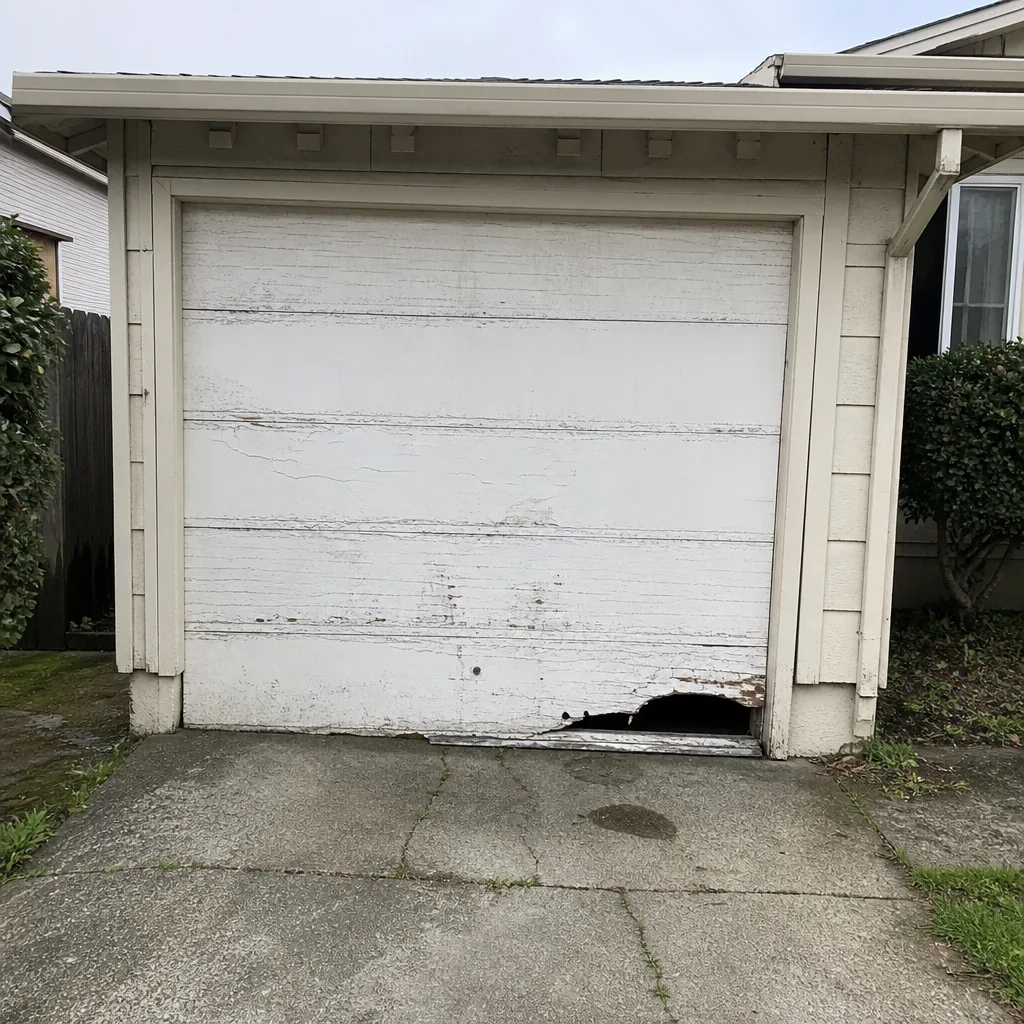 Before
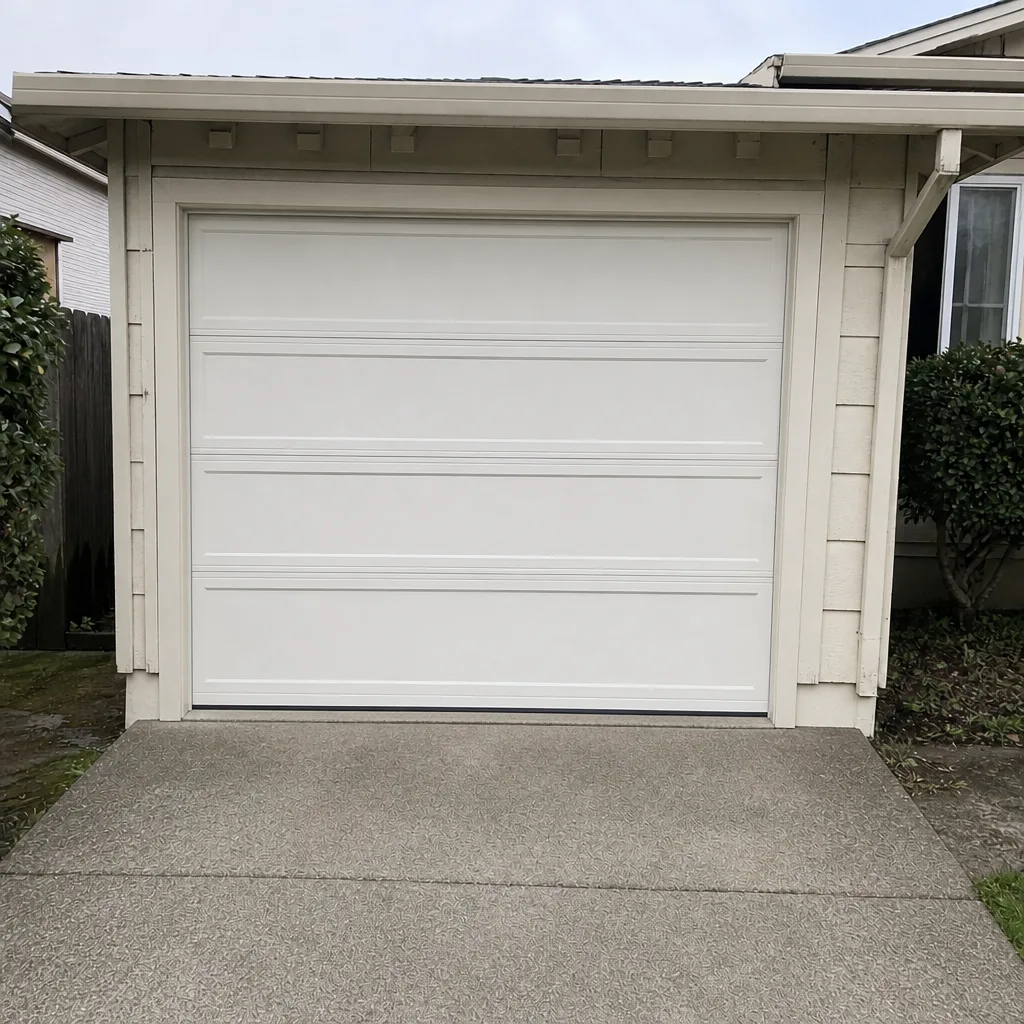 After
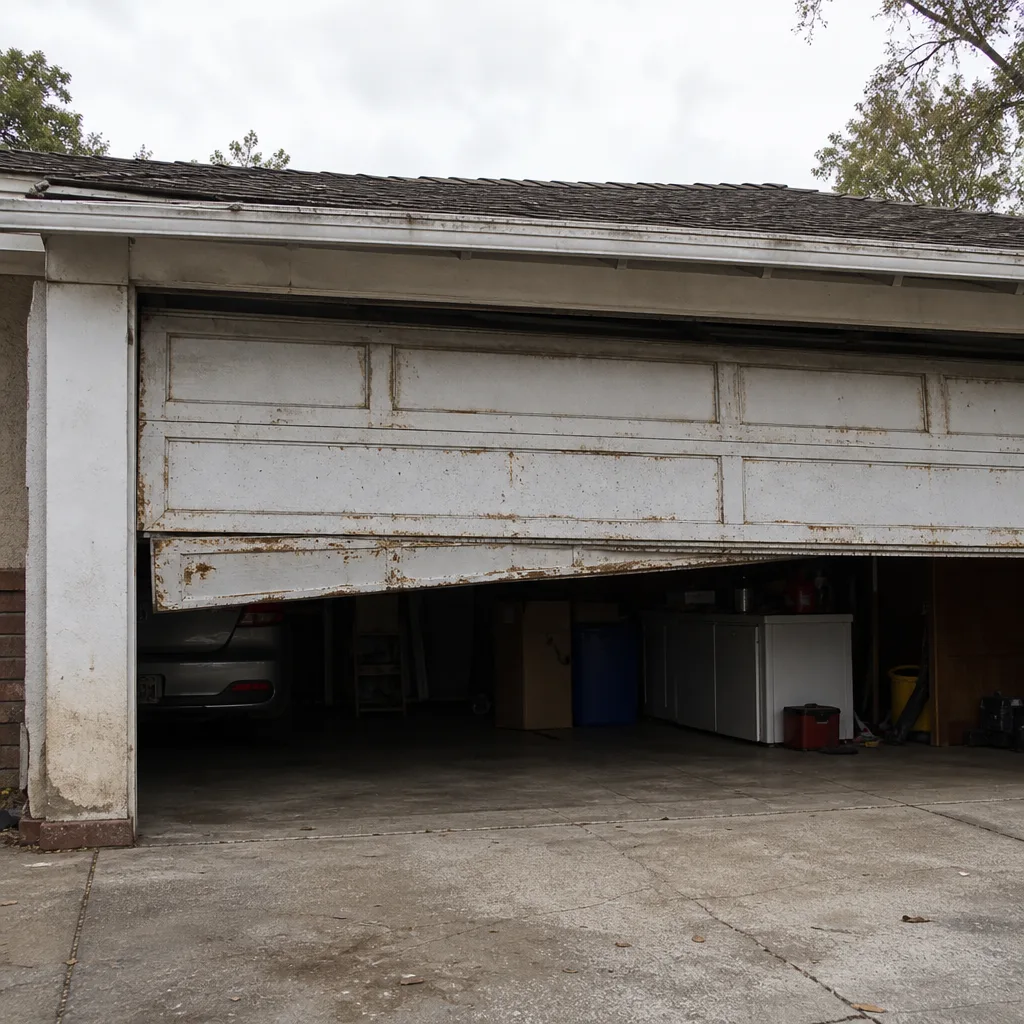 Before
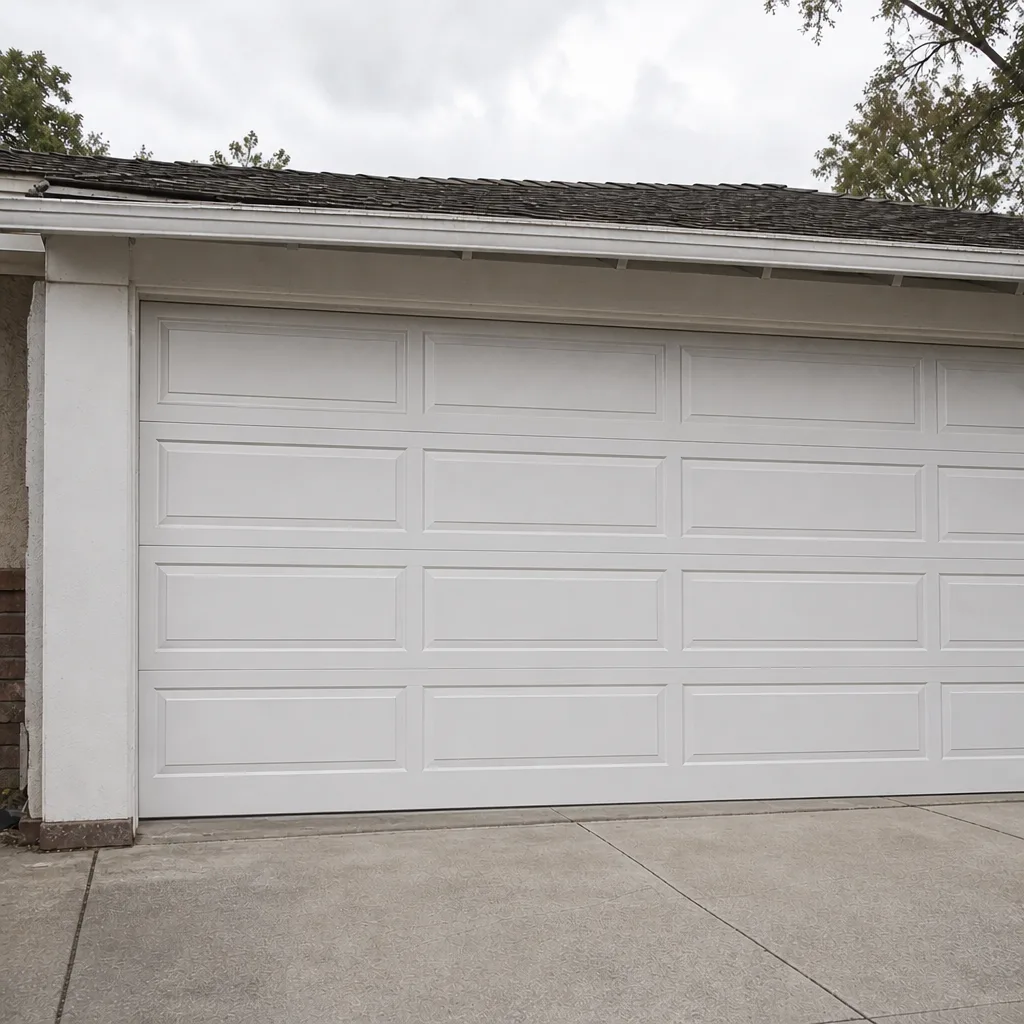 After
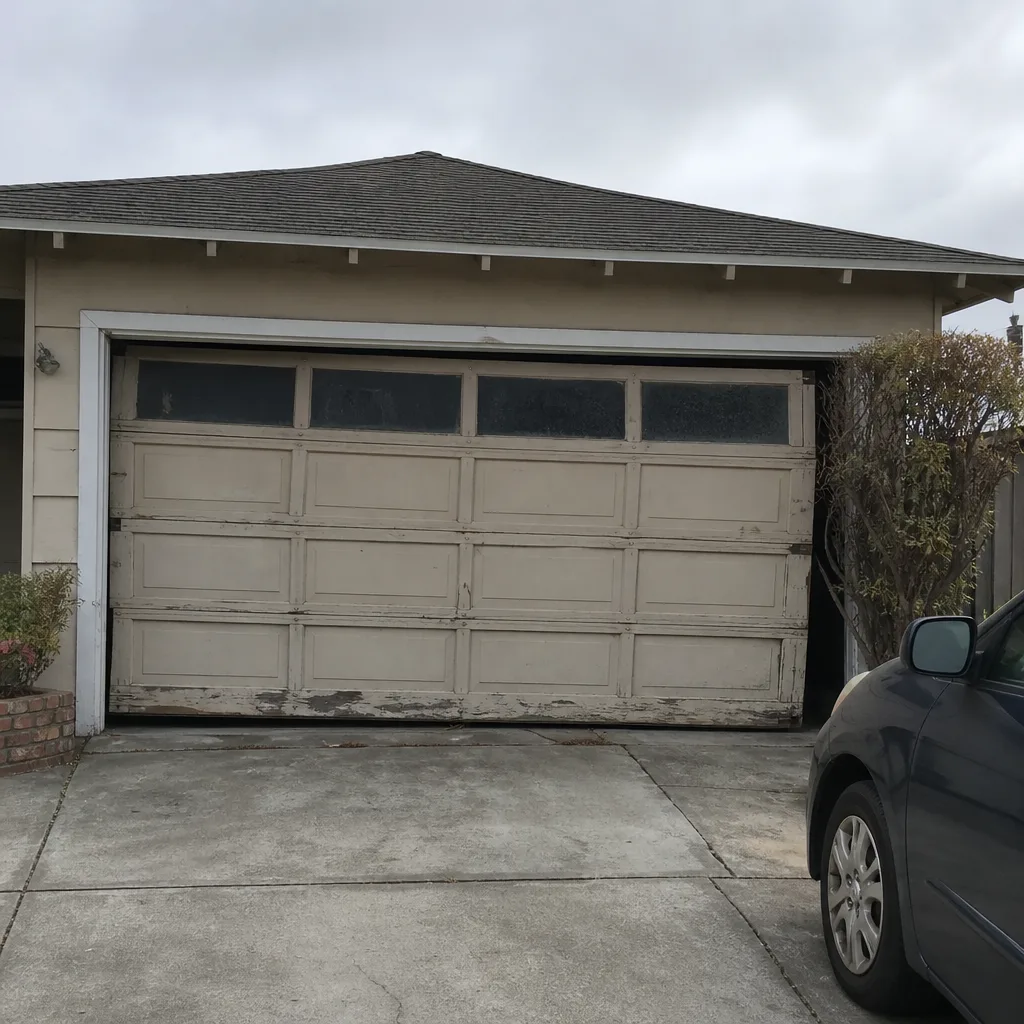 Before
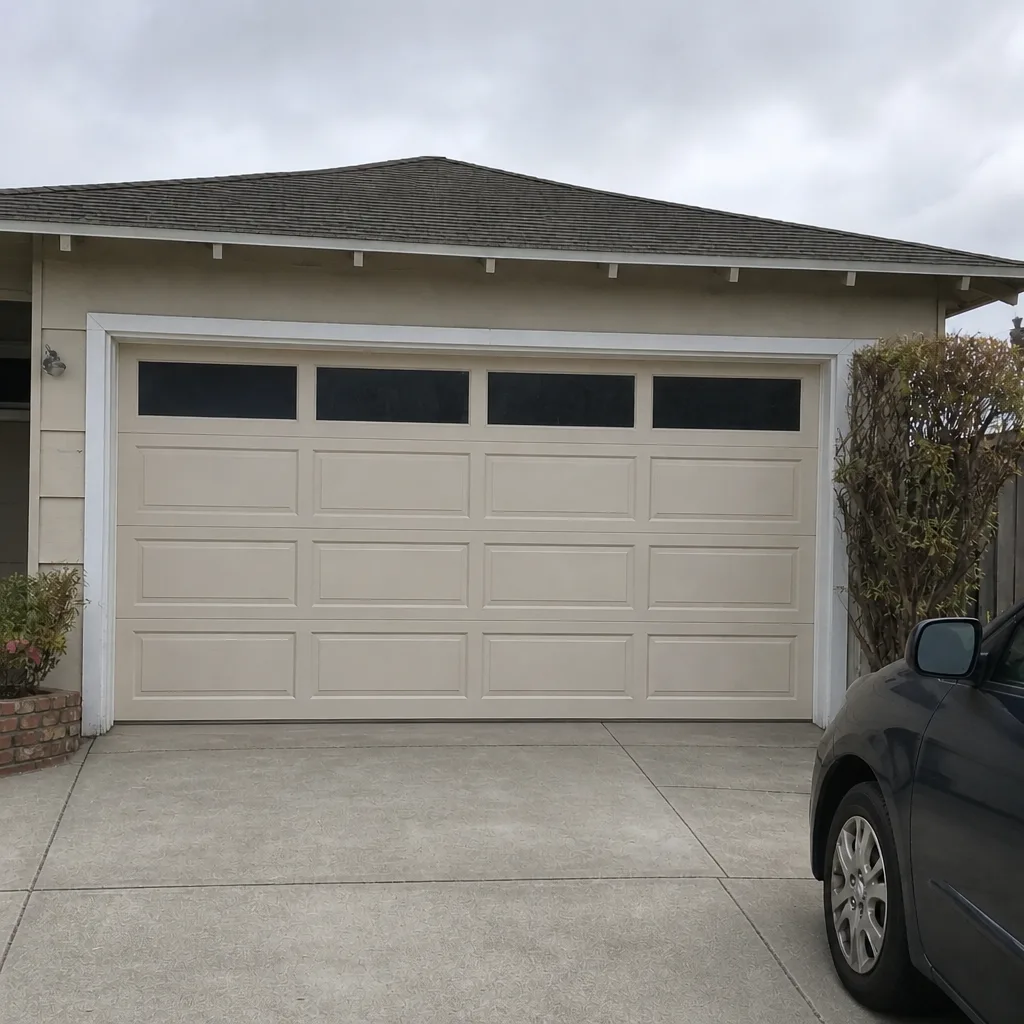 After