
Last updated November 4, 2026
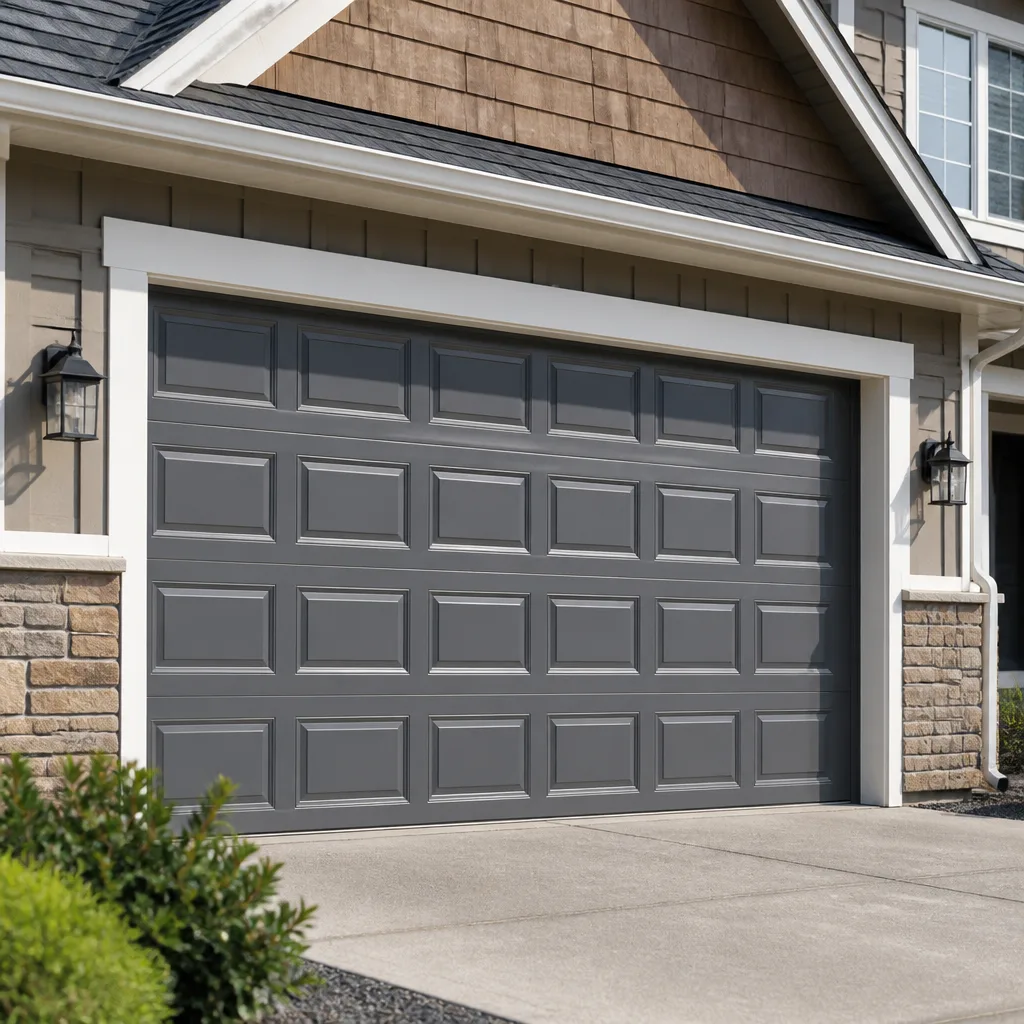 Raised-panel steel
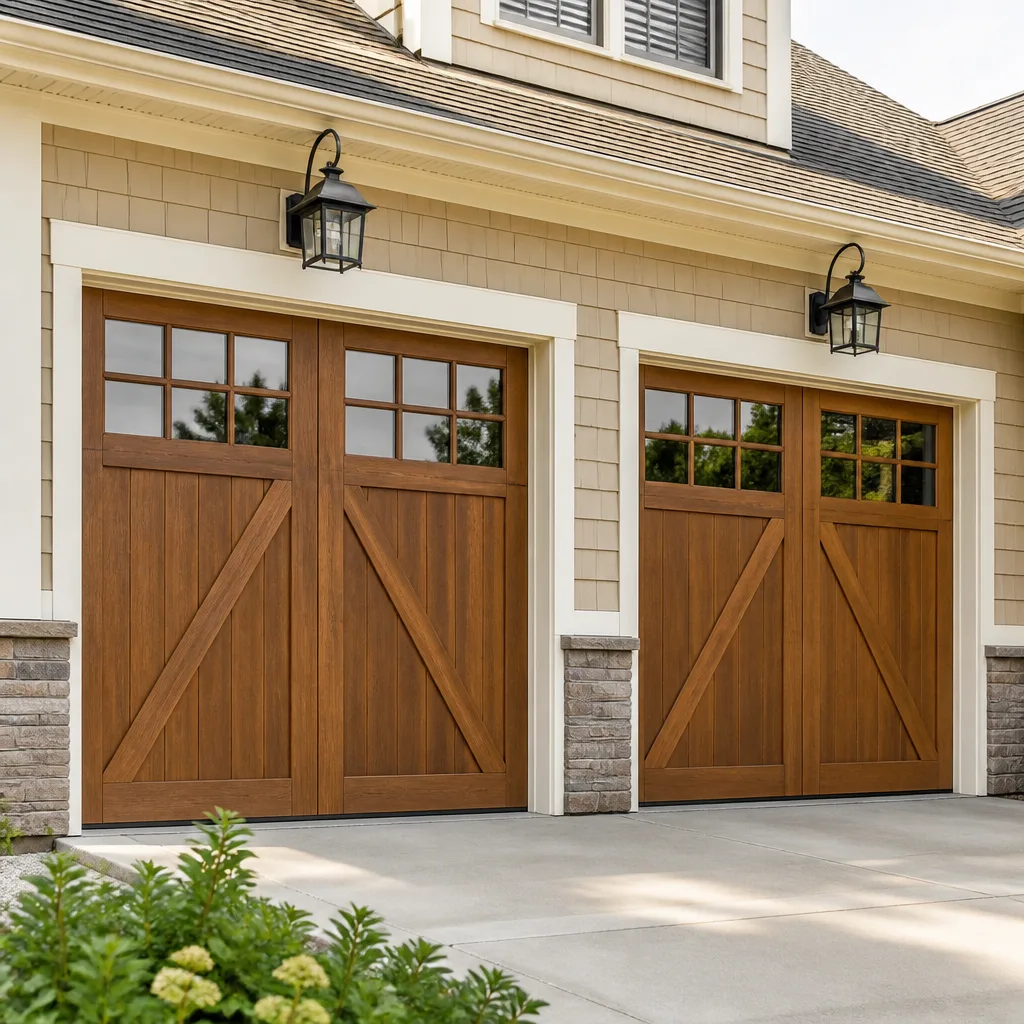 Carriage house
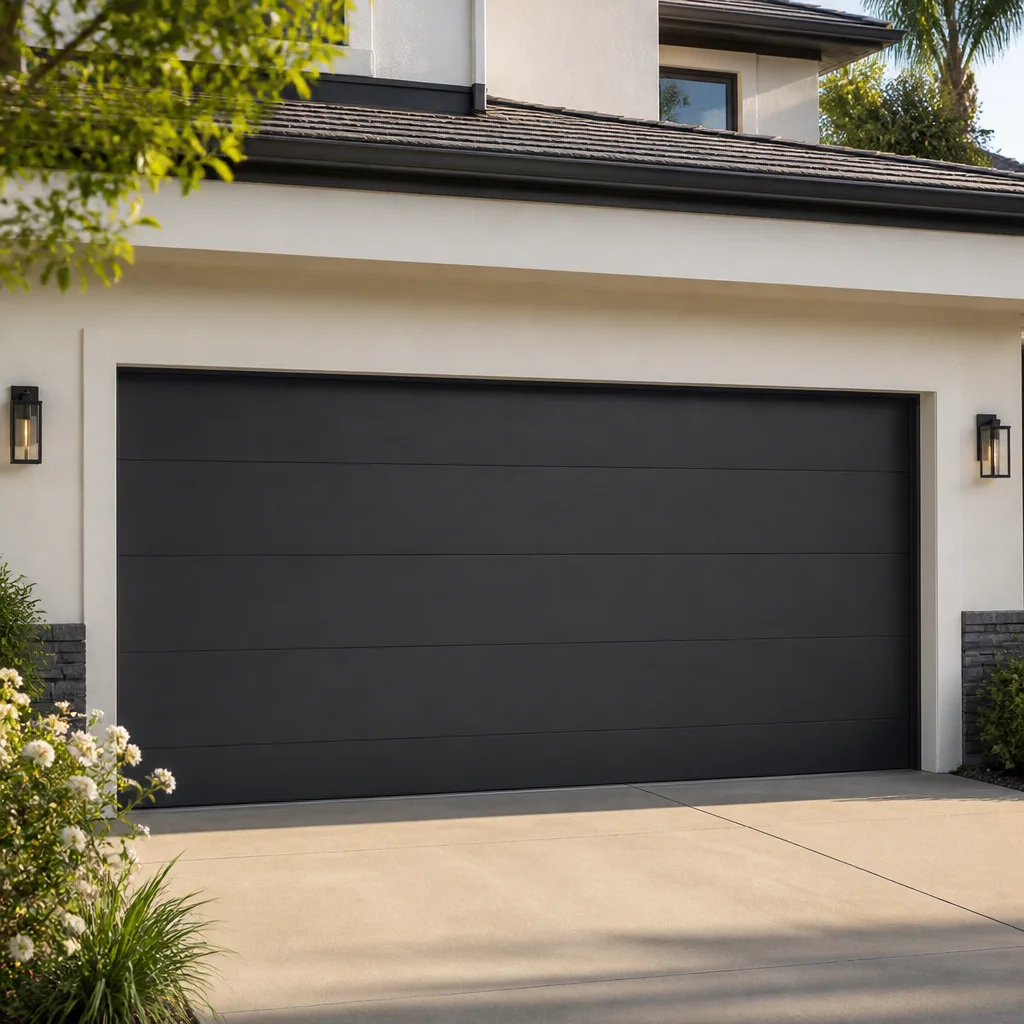 Modern flush
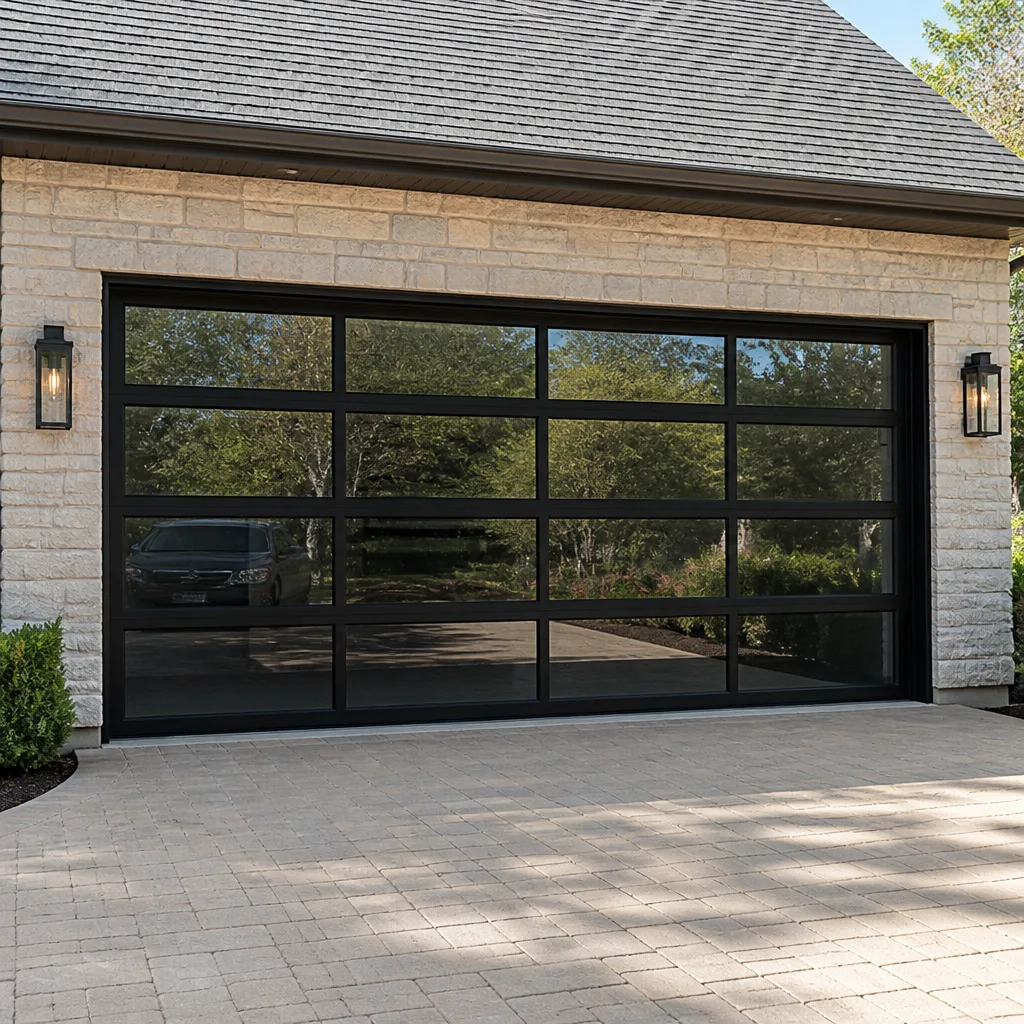 Full-view glass
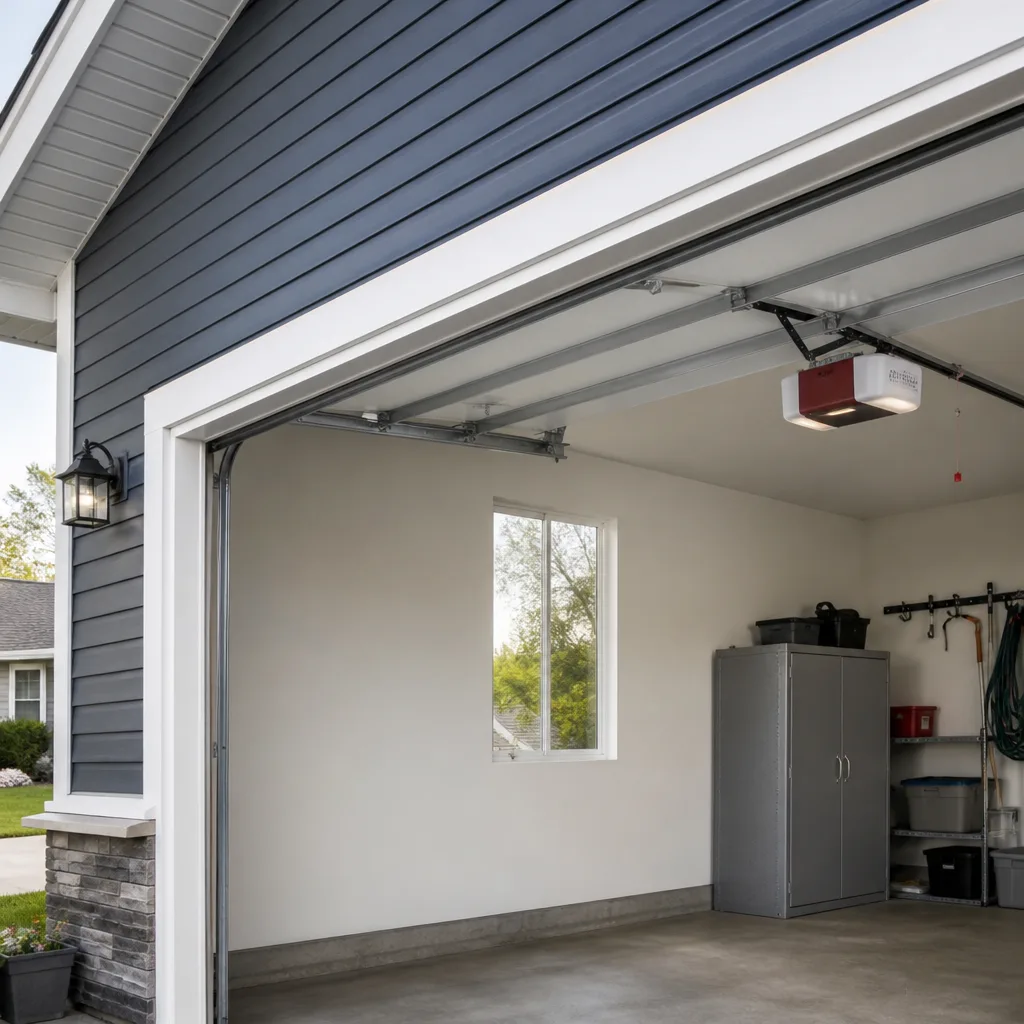 LiftMaster openers
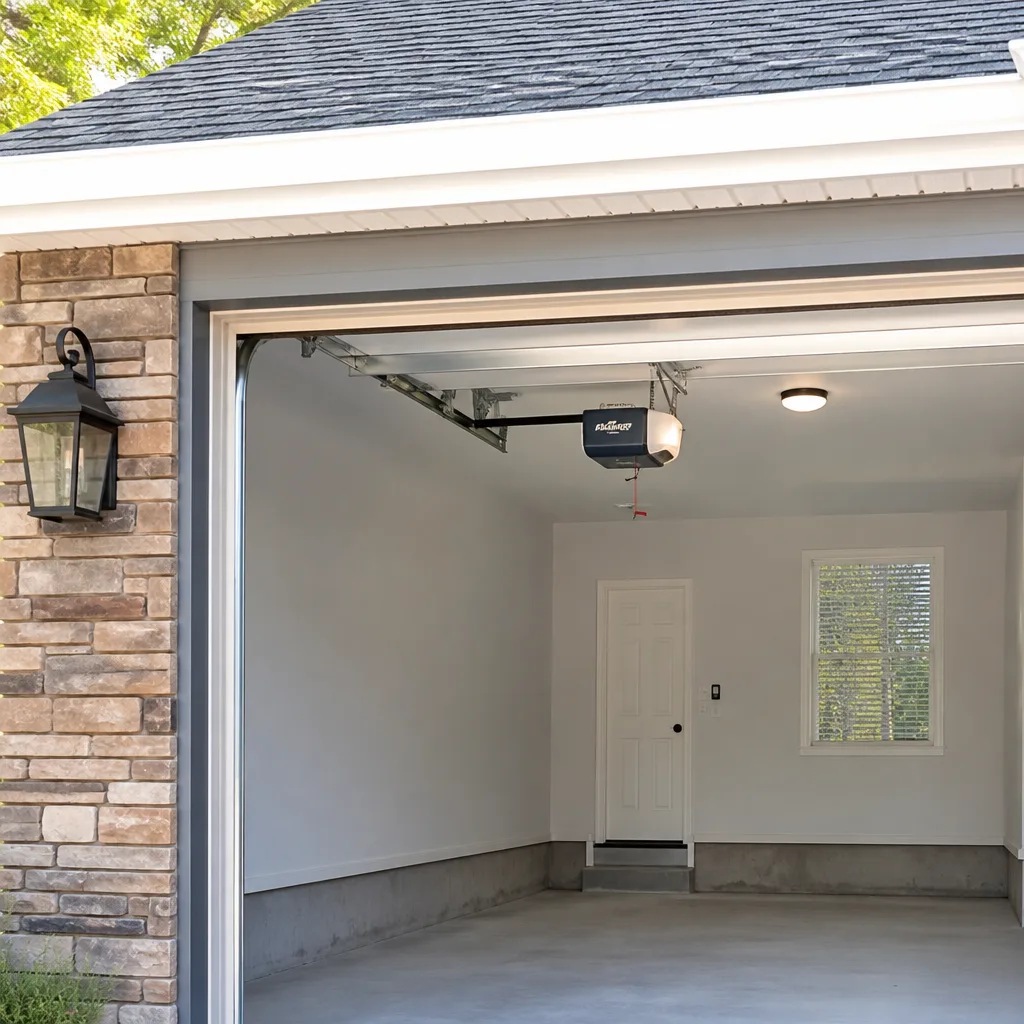 Chamberlain openers
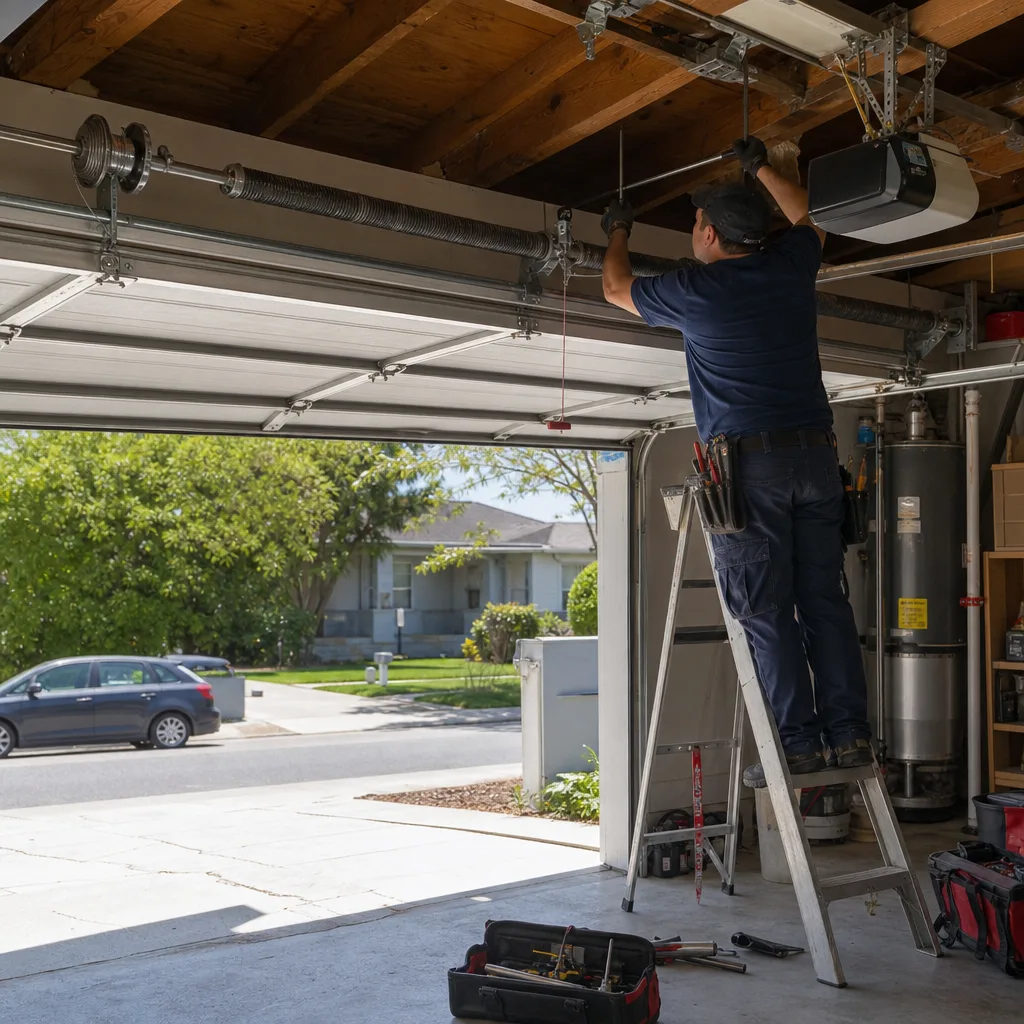
Full 25-point door and opener safety check with every visit - springs, cables, rollers, tracks, and your LiftMaster or Chamberlain opener included
You get a price before we start. It does not change when the truck arrives.
Get your free estimateGarage Door Emergency Preparedness Guide for Alameda Homes
Most Alameda homeowners can tell you which wall holds the emergency shutoff for their gas line, but far fewer can point to the manual release cord on their garage door opener. That’s a problem. Alameda sits on an island with limited bridge access, and after an earthquake or an extended power outage, the garage door is often the only path between your car and the street. If the opener is dead and the release cord has never been pulled, a door that weighs 150 to 250 pounds becomes a locked gate. This guide walks through what actually happens when power fails, how to operate your door manually, what to inspect after seismic movement, and how to choose backup systems that work when you need them.
Quick Answer
The most important emergency skill for an Alameda homeowner is pulling the manual release cord on a garage door opener and operating the door by hand. After an earthquake, check the track alignment, spring condition, and cable tension before attempting to open the door. A battery backup opener or a seismic disconnect device adds meaningful protection, but only if the manual release is tested and the key lock cylinder still works.
Styles & brands we work with
- Raised-panel steel
- Carriage house
- Modern flush
- Full-view glass
- LiftMaster openers
- Chamberlain openers
Table of Contents
- How to Operate Your Manual Release: Brand by Brand
- Post-Earthquake Garage Door Inspection Protocol
- Battery Backup Openers: What Works During an Outage
- Seismic Sensors and Automatic Disconnect Systems
- Why Your Manual Key Lock Cylinder Matters in Alameda
- Power Outage Sequence: From Dead Opener to Open Door
- Common Emergency Parts to Know Before You Need Them
- Common Mistakes to Avoid
- When to Call a Professional
- Frequently Asked Questions
How to Operate Your Manual Release: Brand by Brand
The manual release is a red cord hanging from the opener rail, usually about 6 inches long with a plastic or metal handle. Pulling it disconnects the door from the opener carriage, so the door can be moved by hand. The cord itself works identically across most opener brands, but the reconnection process varies, and that’s where people get stuck.
Here’s the step-by-step sequence for the five opener brands we see most often in Alameda garages:
LiftMaster and Chamberlain
- Close the door first if it is still operational. Never pull the release cord while the door is open unless the door is jammed. A disconnected door in the open position can slam down if a spring is broken.
- Pull the red cord down and toward the door. You will hear a click. The carriage is now disengaged from the chain or belt.
- Lift the door by hand using the bottom handle. If it will not move, stop. A bound door usually means a broken spring or a track problem, and forcing it can cause injury. High-tension garage door springs and cables are under extreme load. Do not attempt to disassemble or adjust them yourself. Call a trained professional.
- To reconnect on a LiftMaster or Chamberlain opener, pull the cord once more while moving the door by hand until the carriage meets the release mechanism. You will hear a second click when the trolley locks back onto the rail.
Genie
- Pull the red release cord straight down and toward the opener motor. On most Genie models, the cord disengages a shuttle inside the rail.
- Operate the door by hand. A Genie door in good mechanical shape should lift with steady, moderate force.
- To reconnect, press and hold the wall console button for two seconds while pulling the cord toward the motor. On older Genie screw-drive models, the shuttle re-engages when the motor runs and the trolley travels back down the rail. That means you need power to reconnect, so if the outage is still active, leave the door in manual mode until power returns.
Craftsman
- The Craftsman release cord hangs near the center of the rail. Pull down and toward the garage door.
- Lift or close the door by hand. If the door feels excessively heavy, the springs may have lost tension.
- Reconnection is either automatic or rope-pull depending on the model year. On older chain-drive Craftsman openers, press the wall button once with power restored and the trolley will pick up the carriage. On newer models, pull the cord backward while the motor runs.
Wayne Dalton
- Wayne Dalton’s TorqueMaster spring system sits inside a tube above the door, not across the header. The manual release cord works the same way: pull down and toward the door.
- Operate the door slowly. If you hear grinding or the door binds halfway up the track, stop and leave the door where it is.
- Reconnect by pressing the opener remote once. The trolley travels to the carriage and re-engages on its own as long as the door and carriage are roughly aligned.
What to do when the cord has never been pulled and the carriage is stuck in place: In Alameda’s coastal climate, where humidity and cool mornings are common year-round, the release carriage can corrode to the rail even in a garage. If the cord will not pull freely, do not yank on it with a tool. Spray a small amount of dry lubricant on the carriage joint, wait a minute, then apply steady downward pressure, not a sharp jerk. If the cord feels like it will snap, call a technician. The last thing you want during a power outage is a broken release cord inside the opener rail. Oakridge Garage Door Service works on opener carriages across all eight major brands, so this is a diagnostic call we handle routinely, not an unusual case.
Post-Earthquake Garage Door Inspection Protocol
After ground movement, a garage door should not be opened blindly. The door sits on a set of steel tracks that depend on the wall and ceiling staying roughly where the installer left them. Even minor shifting can bind the rollers, and a door under spring tension that leaves the track can drop or swing.
Follow this sequence before you touch the opener button or the manual release:
- Look at the gap between the door and the frame on each side. If the gap is wider at the top than the bottom, or wider on one side than the other, the opening has shifted. Do not open the door.
- Inspect the vertical tracks on both sides. They should be straight and flush against the wall. Any bowing, twisting, or visible gap between the track and the wall means the track has moved relative to the door.
- Check the horizontal tracks above the closed door. These should be parallel to each other and roughly level. A sag on one side usually pulls the rollers out of alignment.
- Look at the springs. Extension springs run parallel to the tracks. Torsion springs sit across the header. A broken spring shows an obvious gap in the coil. If a spring is broken, treat the door as dangerous: the cable system is no longer balanced, and the door can fall.
- Check the cables on both sides. In a healthy door, the lift cables are taut against the drums. A loose, slack, or unwound cable means the spring system has failed.
- Step inside and close the door behind you slowly, or direct a second person to do it. Listen for scraping, popping, or clicking sounds that were not there before. These can indicate bent rollers, loose hinges, or a shifting opener mount.
- Only after all of these checks pass should you test the opener. Use the wall console, not the remote, so you can kill the cycle instantly if the door starts to bind.
In Alameda, many garages date back to the 1920s and 1930s, and the framing has outlived several retrofits. A house that has been through a previous quake may have a door opening that is already slightly out of square. The door works fine day to day, but the margin between normal operation and binding is smaller than it looks. After seismic movement, that margin can disappear. If anything on this checklist looks off, have a technician assess the door before you try to use it.
Battery Backup Openers: What Works During an Outage
Not all battery backup garage door openers perform the same way in an extended outage, and the difference matters in Alameda, where a widespread power interruption can persist for a day or more while utilities restore service across the island. Understanding the two main battery designs helps you choose a system that fits how you use your garage.
Integrated battery backup openers are the current standard on LiftMaster and Chamberlain models. The battery sits inside the opener housing and charges while the unit runs on AC power. When power drops, the opener switches automatically to battery operation. A fresh battery typically delivers 20 to 30 open-and-close cycles over a 24 to 48 hour window, although manufacturer specs vary. That’s enough for essential trips, but not indefinitely. The key maintenance point: these batteries wear out in 2 to 3 years, and many Alameda homeowners do not know theirs is degraded until the first outage.
Standby power systems with a dedicated battery unit, such as the Genie wall-mount system, use a separate battery module mounted near the opener. These systems can accept larger batteries, which means more cycles between charges. That’s an advantage in an extended outage, but the trade-off is footprint and installation complexity. Some wall-mount models need additional clearance beside the torsion bar, which not every Alameda garage has.
What drains a battery fastest is not the motor run but the frequency of open-close cycles and the standby draws from accessories like lights, keypads, and MyQ or similar connected features. A garage door that runs a full cycle several times a day on battery will exhaust it much faster than the same door opened once in 48 hours. If you want maximum battery life, disable opener lights and disconnect smart accessories until grid power returns. And remember: a battery backup does not help if the door itself is jammed or a spring is broken. The battery powers the opener motor only; it cannot overcome a mechanical failure.
Seismic Sensors and Automatic Disconnect Systems
An earthquake can twist a garage door opening, and when that happens, the door binds. If the opener tries to move a bound door, the motor strains, the chain or belt jerks, and in the worst case the torsion spring releases while the cables are uneven, which can yank the door sideways off the track. The opener cannot detect this until it is already happening.
A seismic sensor, sometimes called a seismic disconnect device, is a small switch mounted on the wall near the opener or inside the motor housing. It detects ground acceleration above a defined threshold and immediately disconnects the opener from the door. Think of it as an earthquake shutoff valve for your garage door: the mechanical equivalent of the gas shutoff you already rely on. The door remains closed and locked, and the opener will not cycle until the device is reset and the door has been inspected.
These devices come as aftermarket add-ons for LiftMaster and Chamberlain openers and are available as integrated options on newer Raynor and LiftMaster wall-mount models. They are not universal. Retrofitting one requires matching the sensor voltage and trip threshold to your specific opener model, so this is not a plug-and-play purchase. A technician who services openers across brands can tell you whether your current opener supports a seismic disconnect, and what installation would involve on the existing rail and wall framing.
For an Alameda home, the argument for a seismic sensor is straightforward: it removes the risky human decision in the seconds after a quake. You do not have to remember to pull the cord, and you do not have to gauge whether the track looks straight enough. The system disconnects itself before the opener applies force to a distorted door.
Why Your Manual Key Lock Cylinder Matters in Alameda
During a power outage, your wall keypad and remote lose their connection to the opener. Most Alameda homeowners discover this when they step outside, tap the keypad, and nothing happens. The keypad on newer openers usually has a small internal battery of its own, but older units are often wired to the opener that now has no power. Either way, if you are locked outside an attached garage with no house access, the only purely mechanical way in is the key lock cylinder.
The key lock cylinder is the small metal lock you turn with a key, positioned on the outside of the door or the frame. When you turn the key, a cable runs back to the release mechanism on the opener carriage, disconnecting the door from the trolley. You can then lift the door by hand. The system is entirely mechanical: no battery, no transmitter, no wall console. This is the single most underrated emergency component on an Alameda garage door.
Most lock cylinders die quietly. The key has not been used in years. The tumblers fill with dust and fine grime. The release cable stretches or rusts. By the time an outage hits, the key either will not turn or turns without doing anything. Test yours once a year. Insert the key, turn it fully, and confirm that the door releases from the opener carriage. If the key is stiff, use a graphite lubricant, not oil, and work it gently. If the cable is slack or the key turns but the door does not release, have it replaced before you need it.
We recommend keeping a clearly labeled key for the lock cylinder in a fixed location outside the garage, separate from your car keys and separate from your house key ring. If the house is damaged and the car is in the garage, this single key becomes your access plan.
Power Outage Sequence: From Dead Opener to Open Door
Here is the complete sequence for a power outage in Alameda, from the moment you realize the opener is dead to the point where the door is open, the car is out, and the door is secure again.
Step 1: Confirm the opener is actually without power. Check whether the wall console light is on. If it is, the opener has power and the problem is electrical. If it is dark, move to manual operation.
Step 2: Secure the work area. If the door is closed, block the bottom with a wedge or a 2×4 when you begin, so it cannot move as you work the release.
Step 3: Pull the manual release. Refer to the brand-specific instructions above. Pull the cord toward the door. You will feel the carriage disengage.
Step 4: Lift the door by hand. Use the bottom handle, not the top panel, and keep your hands away from the section joints and the track. A door in good balance should lift with even, moderate force. It should stay open at chest height without dropping. If it feels heavy or drops, the springs are failing. Lower it carefully and call for repair.
Step 5: Move the car out. Leave the door open only as long as necessary.
Step 6: Close the door by hand. Lower it slowly from the bottom handle. On the way down, the door should not slam or accelerate. A properly balanced door descends smoothly and stays where you put it.
Step 7: Lock the door manually. Slide the side bolt locks into the vertical track if your door has them. If it does not, use a clamp or a lockable pliers on the vertical track just above a roller to prevent the door from being lifted from outside. Do not use the opener again until power returns and the door has been reconnected.
We have stated this already, but it bears repeating: if at any point in this sequence the door binds, jerks, or feels heavier than expected, stop. A garage door under tension stores mechanical energy, and a broken spring or slipping cable can injure quickly. This is the point where a trained professional is the right call. Garage door repair on a jammed door during an outage is not something we recommend attempting without experience.
Common Emergency Parts to Know Before You Need Them
Familiarity with the basic components of your garage door system makes emergency communication far more useful. When you call a technician from Alameda during or after an event, describing what failed by its correct name cuts through the confusion and helps the technician arrive with the right parts on the truck.
- Manual release cord: The red cord hanging from the opener rail. It disconnects the carriage from the chain, belt, or screw.
- Carriage or trolley: The sliding assembly that travels along the rail and connects the opener to the door.
- Lift cables: The steel cables on both sides of the door that wind and unwind on drums as the door moves. These are under tension.
- Torsion springs: The springs mounted on a bar above the closed door. Most Alameda homes built after the 1980s use torsion systems.
- Extension springs: The springs mounted along the horizontal tracks. Older doors use these, as do many Wayne Dalton lightweight doors.
- Rollers: The wheels that ride inside the track. Nylon rollers with ball bearings are quieter and last longer than steel or plastic.
- Photoelectric safety sensors: The two small boxes mounted near the floor on either side of the opening. If they are misaligned, the opener refuses to close the door.
- Key lock cylinder: The manual key lock on the outside of the door, connected to the release mechanism by a cable.
Knowing these names lets you say exactly what you are seeing. A call that reports “the trolley disengaged and the door dropped” tells us more than “the opener made a noise.” Garage door opener repair often starts with these components because the opener is rarely the first thing to fail; the mechanical door system usually fails first and takes the opener with it.
Common Mistakes to Avoid
- Testing the manual release for the first time during an emergency. The cord is stiffer than you expect, the carriage may be stuck, and you are doing it in the dark or under stress. Test it once a year, in daylight, with the door closed.
- Pulling the release cord while the door is open. If a spring is broken or a cable has slipped, a disconnected door in the open position can slam down. Always close the door first unless it is jammed.
- Forcing a door that feels heavy. A properly balanced door lifts with moderate, even effort. Weight that feels like a full-body workout means the springs are not doing their job, and forcing the door transfers that strain to the cables and track.
- Lubricating the release carriage with household oil. WD-40 and similar wet lubricants attract dust and form a sticky paste that makes the carriage worse over time. Use a dry graphite or silicone lubricant.
- Leaving the opener light and smart accessories enabled on battery backup. These accessories drain the backup battery even when the door is not moving. During an outage, disable them to preserve cycles.
- Relying on the keypad as your emergency access. The keypad needs its own battery or the opener’s power, depending on the model. The mechanical key lock cylinder is the only access method that works when every circuit is dead. Test it.
- Reconnecting the door before confirming the track is straight after a quake. If the door is out of square, reconnecting the opener simply gives a powerful motor a chance to damage a misaligned door. Inspect first, reconnect second.
When to Call a Professional
A few situations always warrant a technician rather than a DIY attempt: a broken spring, a door that has come off its track, a cable that has unwound from the drum, or an opener that will not reconnect after a manual release cycle. These are the failures where stored mechanical energy is highest and the risk of injury is most concentrated. If you have gone through the earthquake inspection protocol and found any binding, bowing, or looseness, leave the door untouched and call for a professional assessment.
Oakridge Garage Door Service offers free estimates in Alameda. Our technicians work on all eight major brands including LiftMaster, Chamberlain, Genie, Clopay, Amarr, Wayne Dalton, Craftsman, and Raynor, and we handle the full system: door mechanics and opener operation together. That matters in a post-earthquake or post-outage situation, because the failure is rarely isolated to one component. Call (855) 341-8689 for a free estimate.
Frequently Asked Questions
First, confirm the door is closed, then apply steady downward pressure on the cord rather than a sharp jerk. If the carriage is stuck, spray the joint with a dry graphite or silicone lubricant, wait a minute, and try again. If the cord still will not move, the carriage is likely corroded to the rail, and forcing it can snap the cord inside the opener. Call (855) 341-8689 for garage door opener repair. We answer 24/7. Fast dispatch from 7am to 7pm, Sunday through Friday.
Check the side gaps between the door and the frame, look for bowing in the vertical tracks, confirm the horizontal tracks are level and parallel, inspect the springs for a visible gap in the coil, and verify the lift cables are taut. If any of these checks fail, do not operate the door. Oakridge Garage Door Service offers free estimates in Alameda. Call (855) 341-8689.
Integrated battery backup openers typically provide 20 to 30 open-and-close cycles over a 24 to 48 hour period, depending on the model and battery condition. Standby power systems with a dedicated battery unit can be configured for more cycles. The biggest drain on a backup battery during an outage is not the door motor but accessories like opener lights and smart features. Disable those to extend battery life.
A seismic sensor detects ground acceleration above a set threshold and automatically disconnects the opener from the door, preventing the motor from trying to move a door that may have been knocked out of alignment. It works like an earthquake shutoff valve for a gas line. These are available as aftermarket units for some LiftMaster and Chamberlain openers and as integrated options on select newer Raynor and LiftMaster models.
Some keypads have a small internal battery and will still operate. Many older units draw power from the opener itself, and they go dead when the opener loses AC power. Do not rely on the keypad in an outage. The mechanical key lock cylinder, which works with a physical key and a cable to the release carriage, is the only access method that functions with zero electrical power.
Same-day service is available in Alameda and the surrounding area. Call (855) 341-8689. We answer 24/7. Fast dispatch from 7am to 7pm, Sunday through Friday. A call outside dispatch hours is booked into the next opening, Sunday through Friday, 7am to 7pm.
The Bottom Line
Emergency preparedness for an Alameda garage door is not about buying a single product. It is a chain of tested components: a manual release you have pulled before, a key lock cylinder that turns, a release carriage that is not corroded in place, and a clear inspection sequence for after ground movement. If any link in that chain fails, the rest does not matter. Test the manual release and the key lock once a year. Know the brand-specific reconnection steps for your opener. If backup power is important to you, choose a battery system that matches your outage expectations and keep its accessories off to preserve cycles. And if a spring, cable, or track has failed, leave the door alone and call a professional. Oakridge Garage Door Service is based in Alameda and handles door systems and openers together, across every major brand, with free estimates and a simple number to call: (855) 341-8689.
Written by the team at Oakridge Garage Door Service, serving Alameda since 2015.
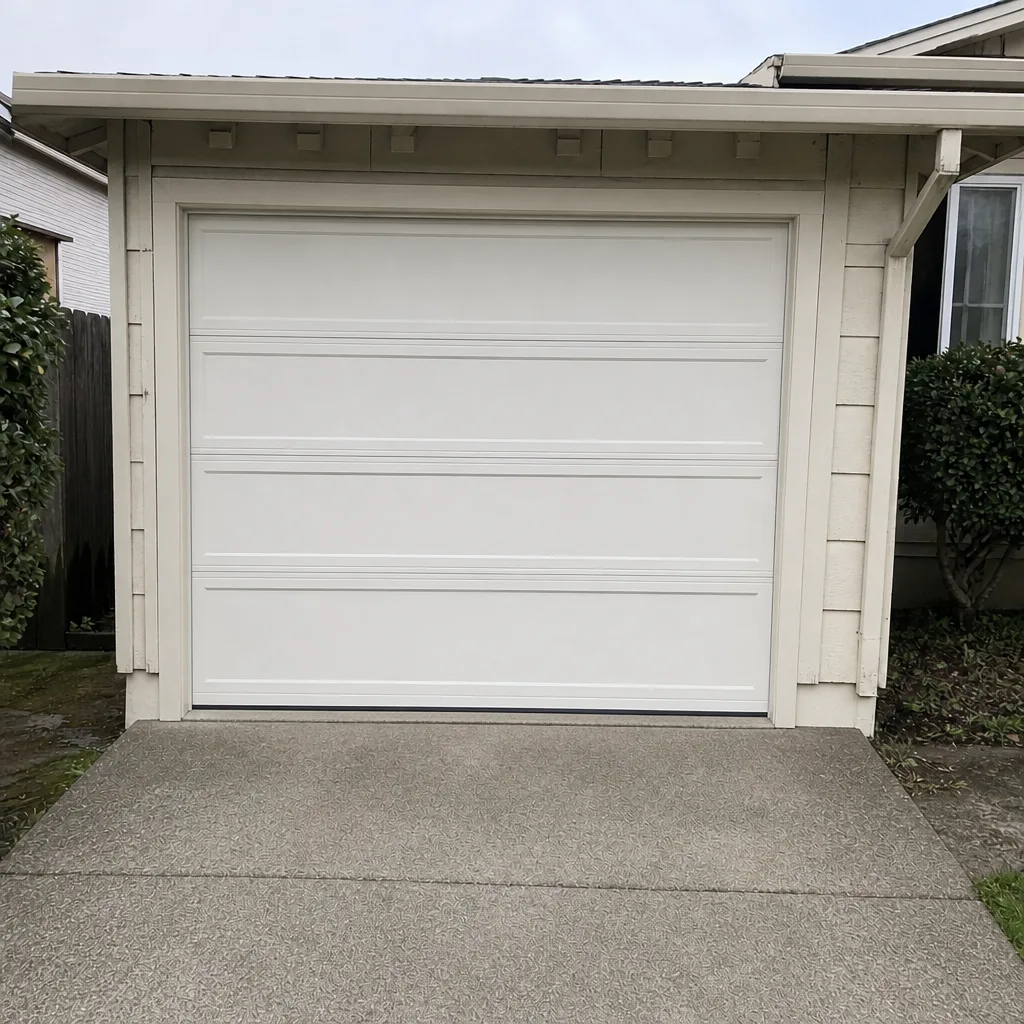
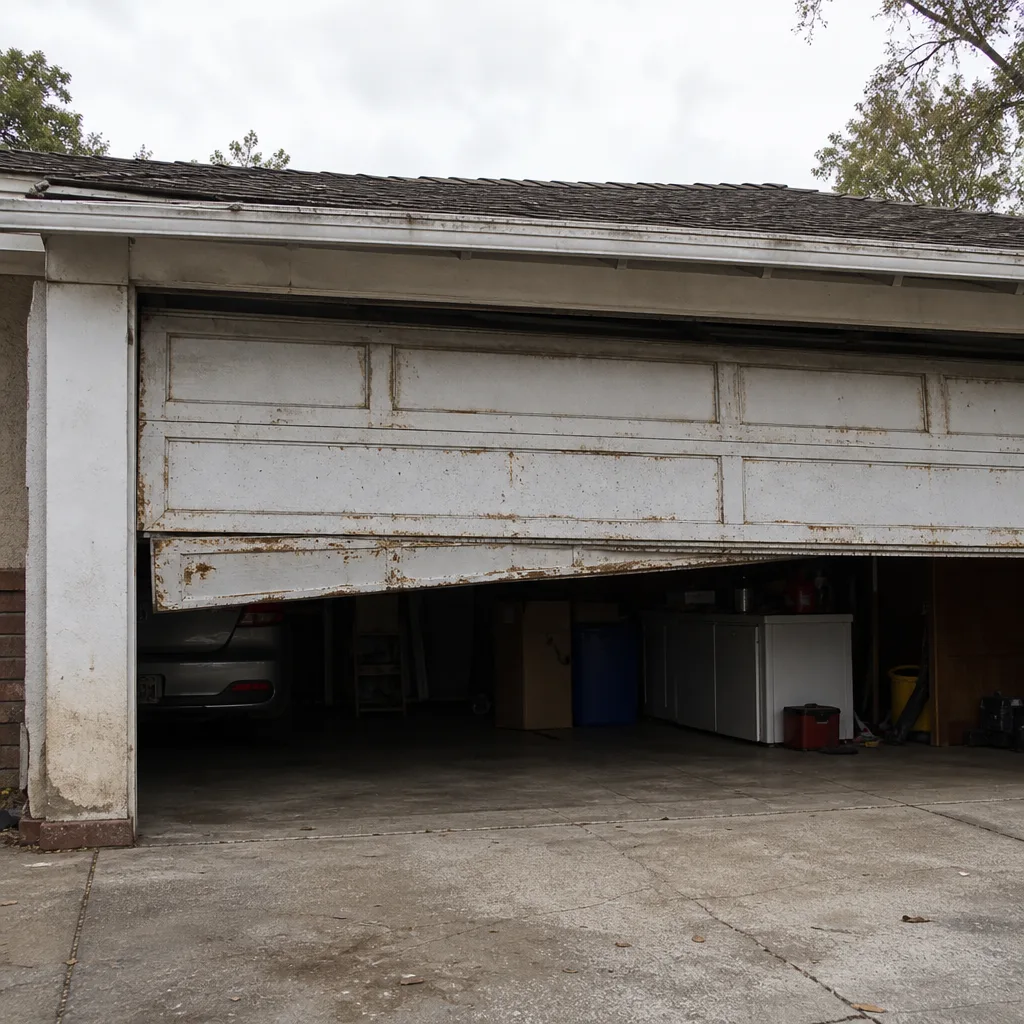
See the difference
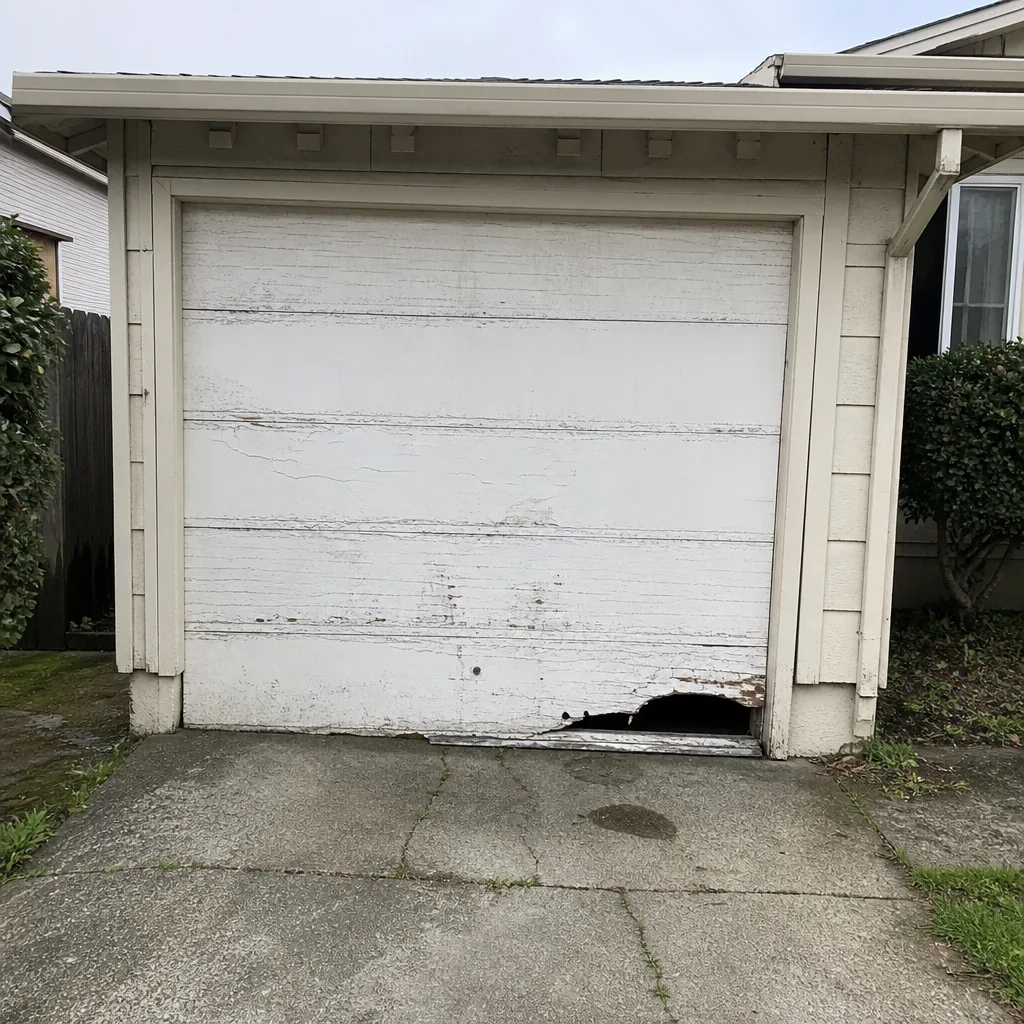 Before
 After
 Before
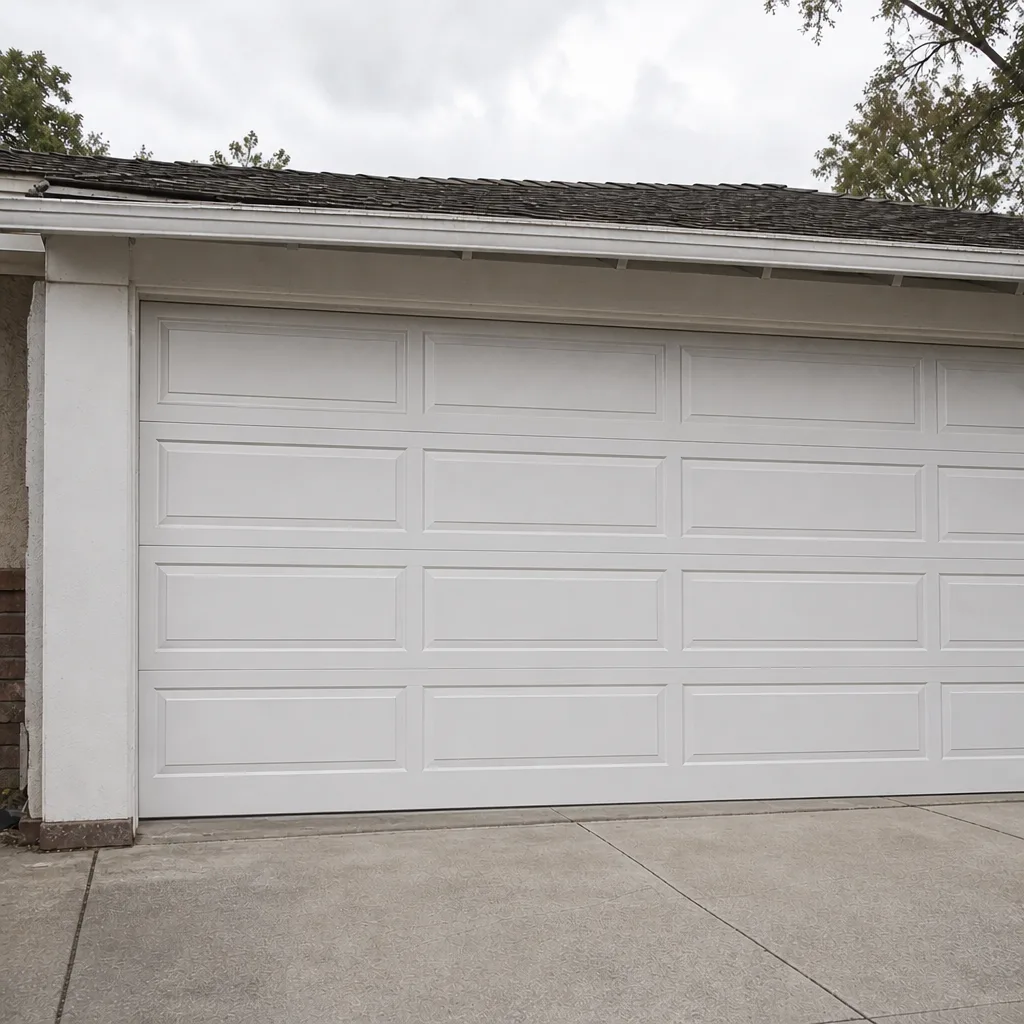 After
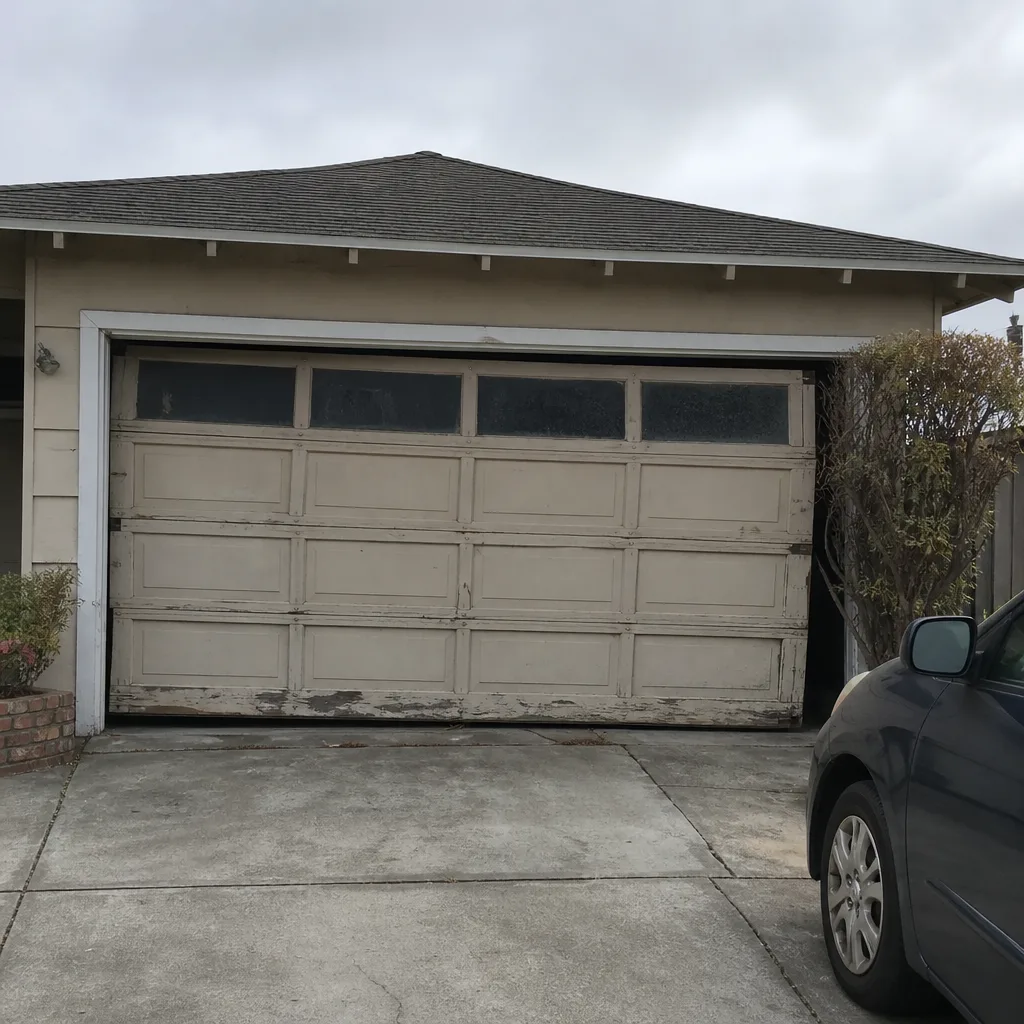 Before
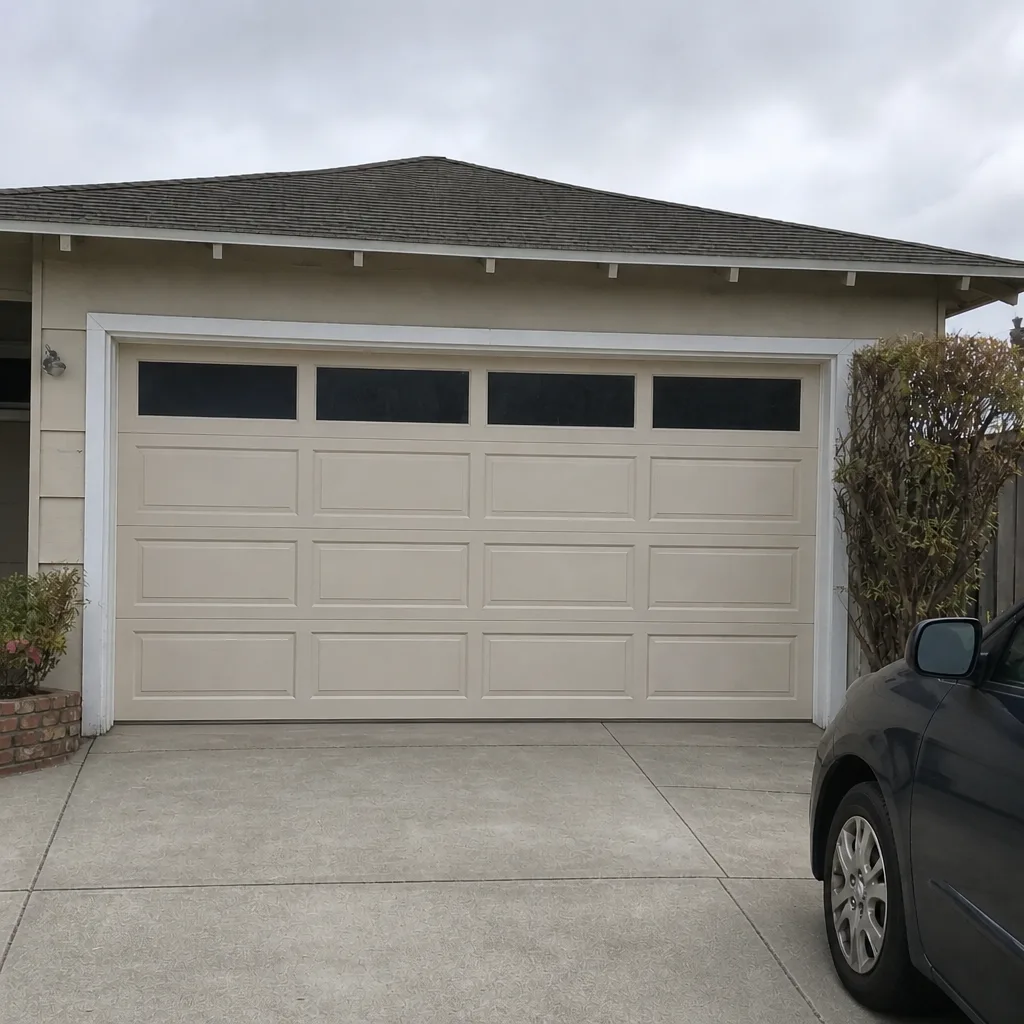 After