
Last updated November 4, 2026
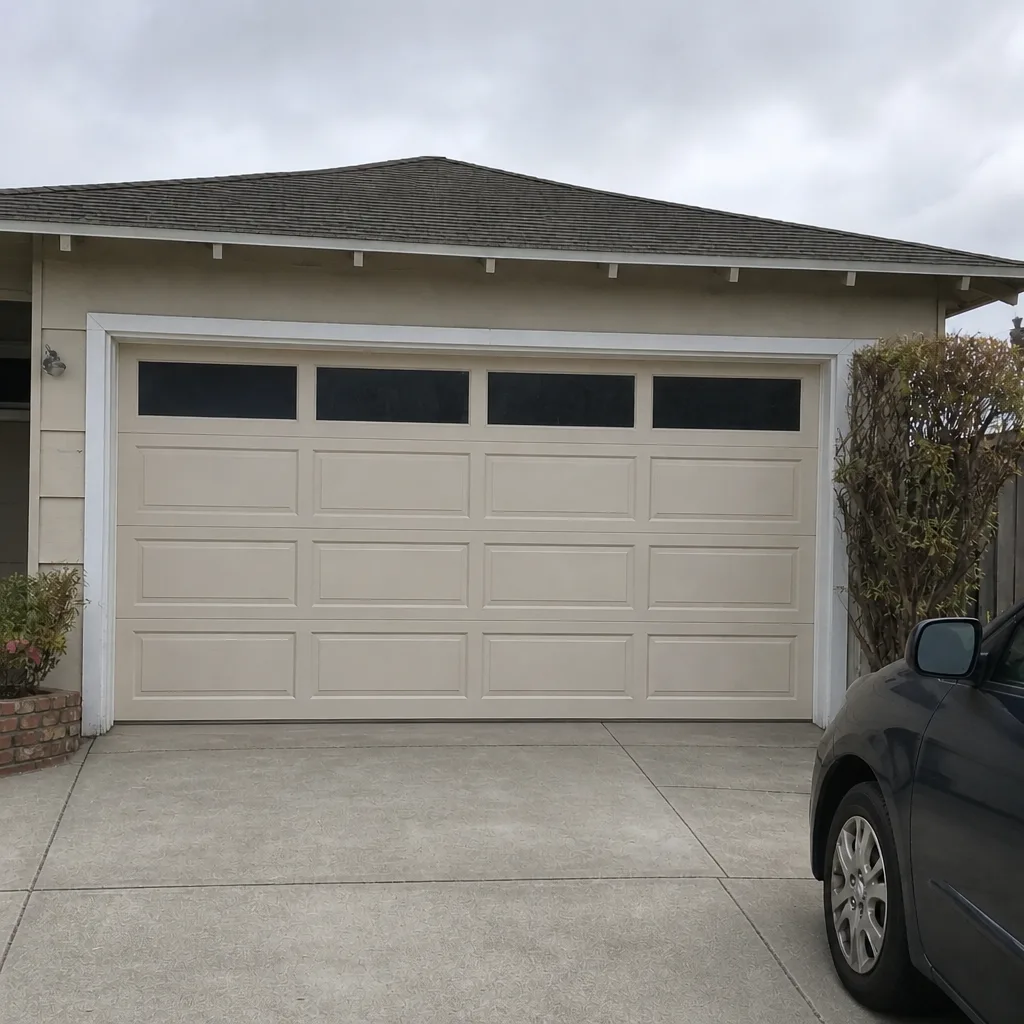
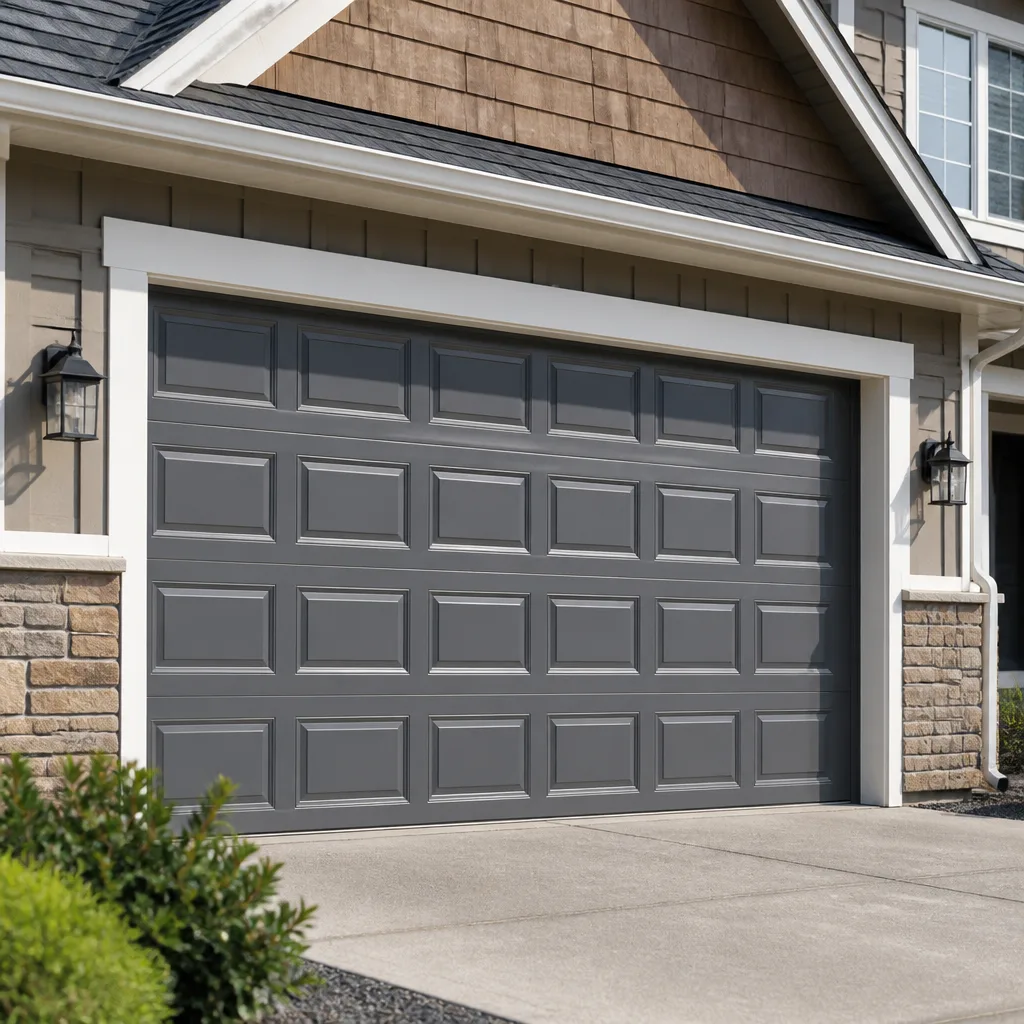 Raised-panel steel
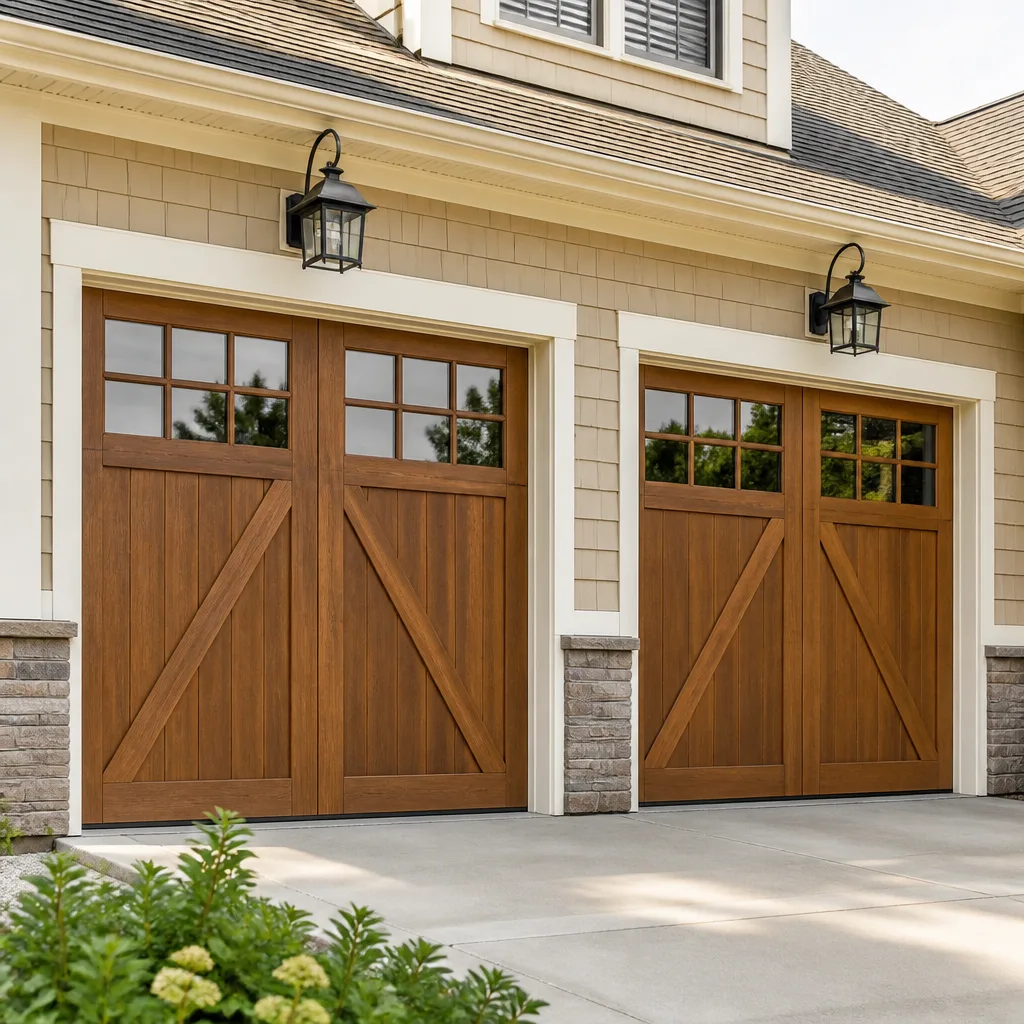 Carriage house
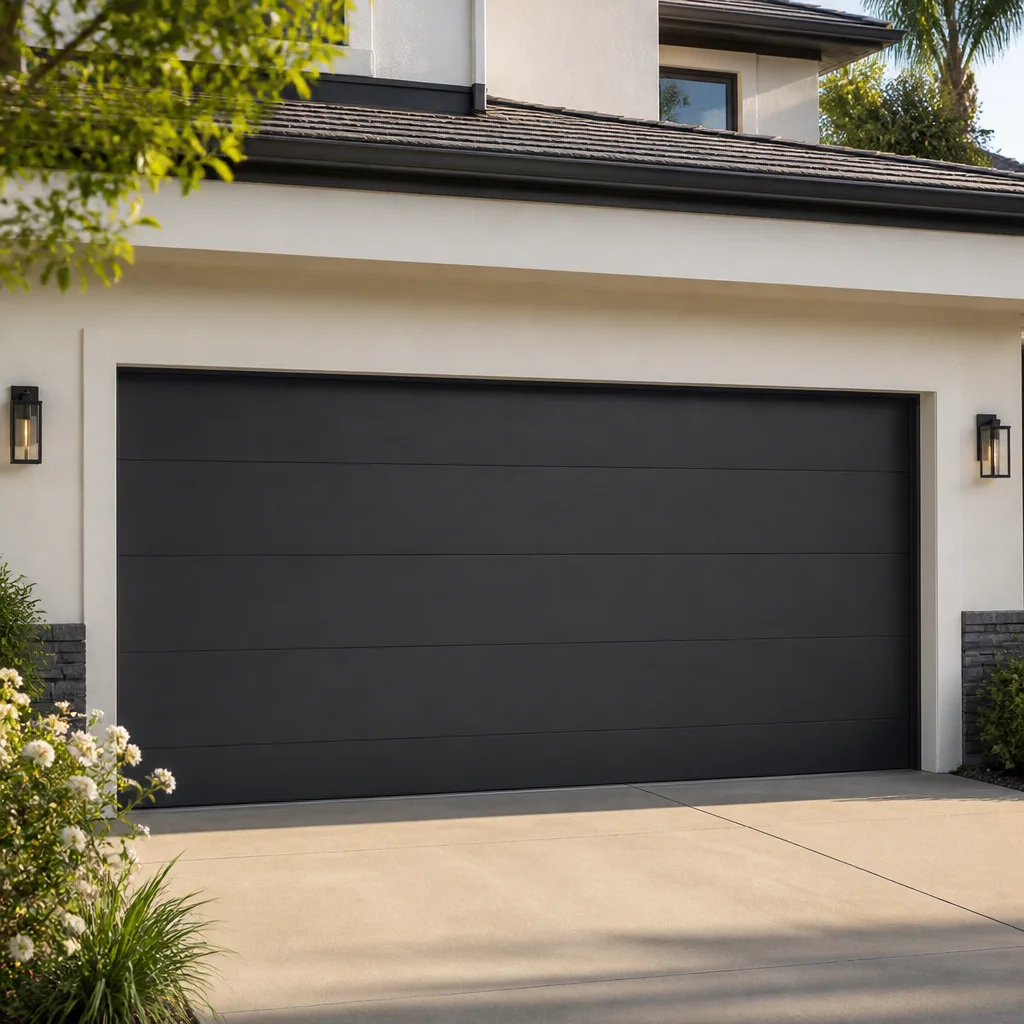 Modern flush
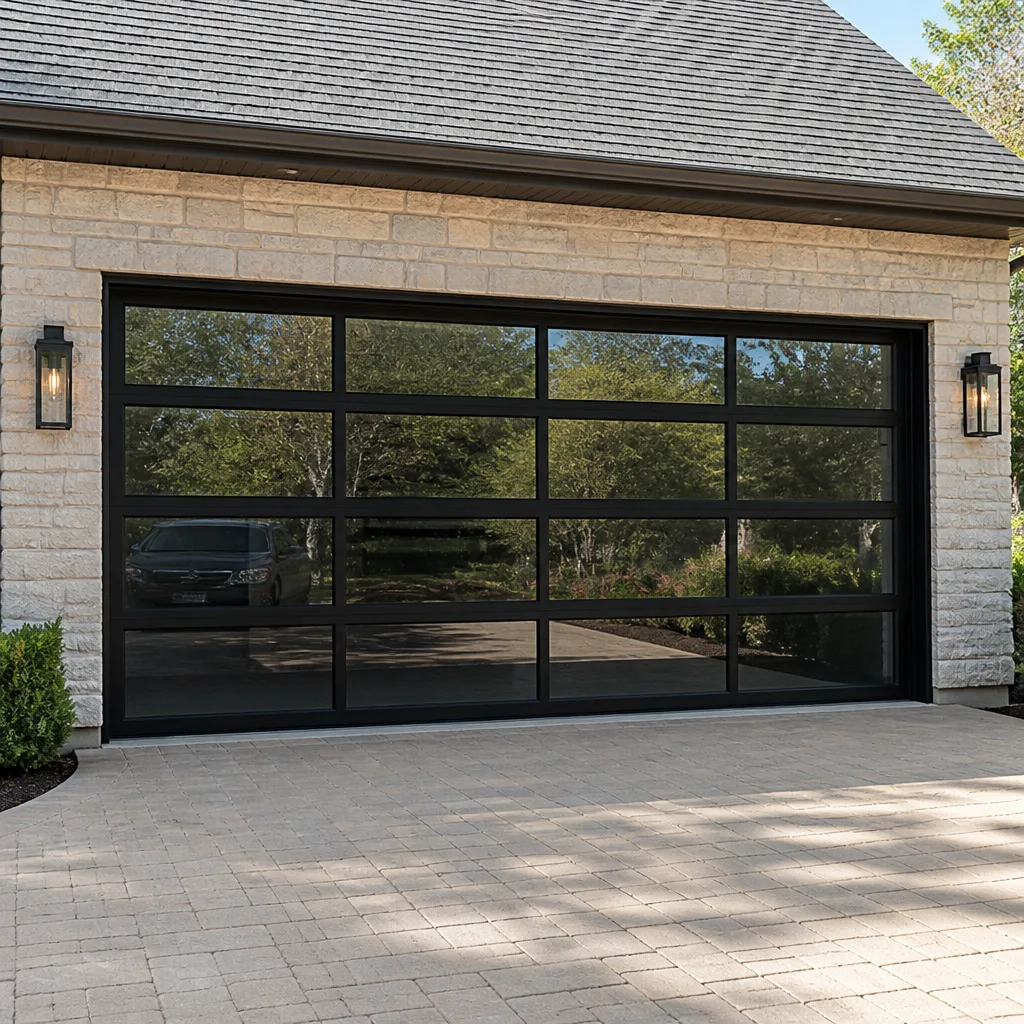 Full-view glass
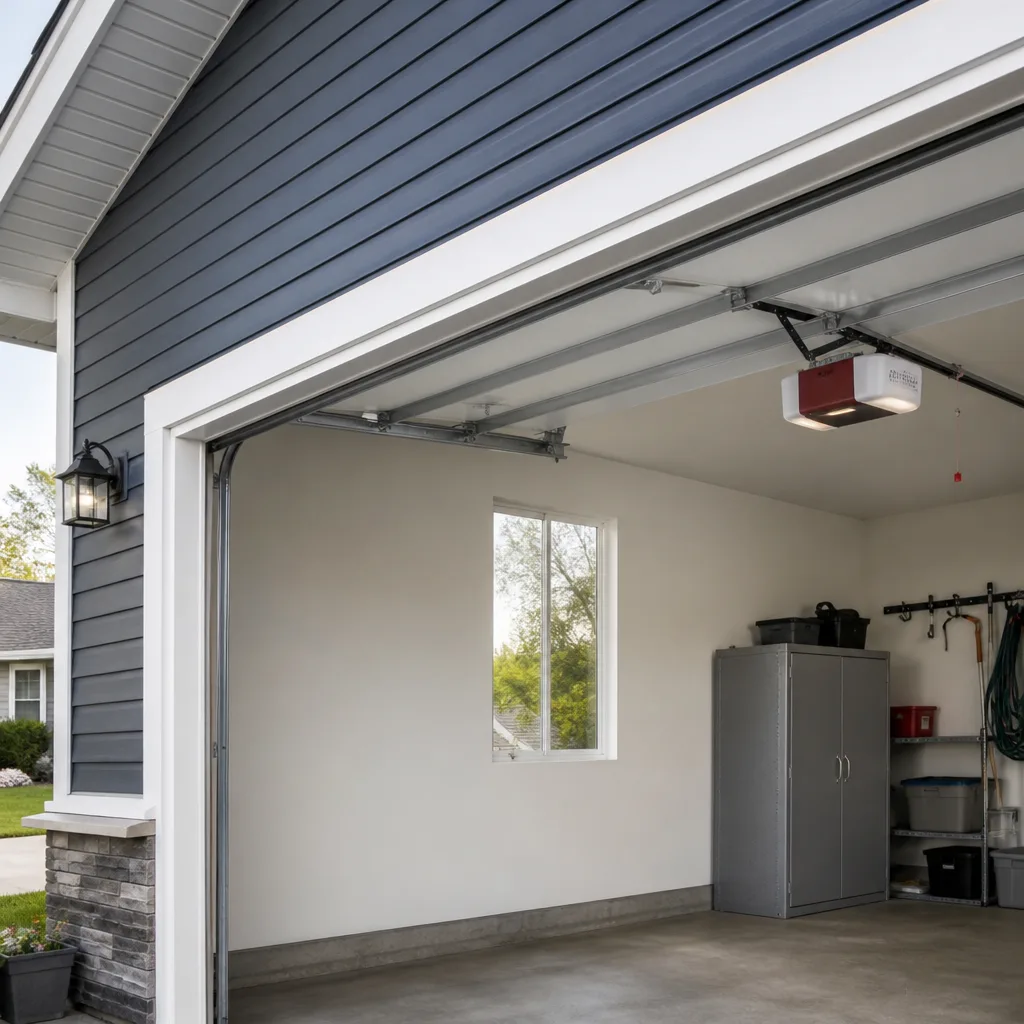 LiftMaster openers
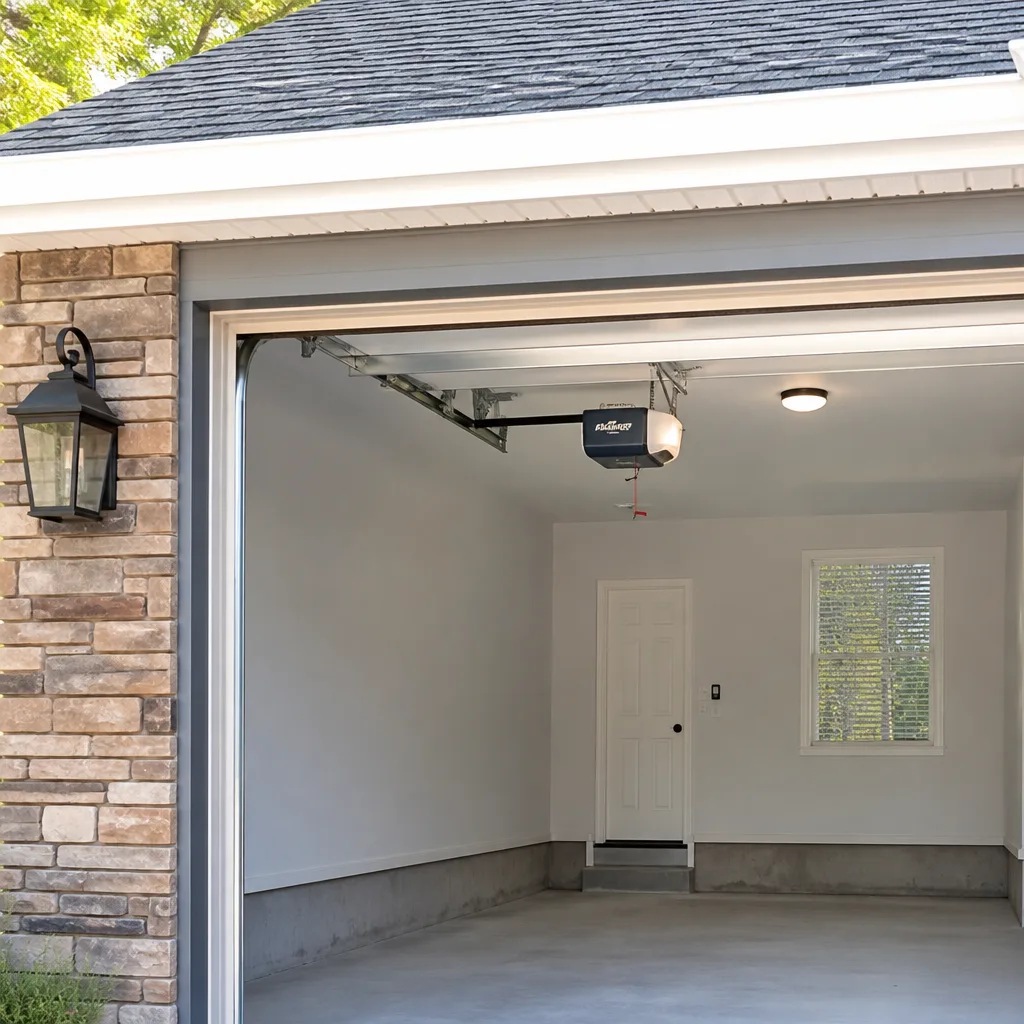 Chamberlain openers
Full 25-point door and opener safety check with every visit - springs, cables, rollers, tracks, and your LiftMaster or Chamberlain opener included
You get a price before we start. It does not change when the truck arrives.
Get your free estimateThe Complete Guide to Garage Doors in Alameda
Most garage door advice reads like it was written for a house in Ohio. Flat lots, predictable weather, standard door openings. Alameda is different. The Bay sits on two sides of this island, the fog rolls in most summer mornings, and a huge share of the housing stock went up before 1970. Those three facts change which materials hold up, which springs wear out first, and why a door that fits a new subdivision in Dublin won’t slide into a 1940s Alameda garage without real carpentry work. This guide covers what actually matters for garage doors in Alameda: how the local climate attacks hardware, what older homes get wrong at the rough opening, and how to think about the door and the opener as one system instead of two separate purchases.
Quick Answer
Alameda’s garage doors live in a salt-fog environment that accelerates rust on springs, tracks, and hinges compared to inland East Bay cities, so material choice and hardware grade matter more here than in most places. Homes built before 1970 often have non-standard rough openings that make a modern door replacement require more than a simple panel swap. The smartest approach for Alameda homeowners is full-system thinking: evaluate the door, the opener, and the mounting hardware together, then decide what to repair or replace based on how each part has actually aged.
Styles & brands we work with
- Raised-panel steel
- Carriage house
- Modern flush
- Full-view glass
- LiftMaster openers
- Chamberlain openers
Table of Contents
- Why Alameda’s Climate Is Harder on Garage Doors Than You Think
- Pre-1970 Alameda Homes and the Rough Opening Problem
- Steel, Aluminum, or Fiberglass: What Survives Salt Air and Fog
- Door, Opener, Hardware: Why You Have to Look at All Three
- Matching a Door to Alameda’s Architectural Styles
- A Practical Maintenance Routine for Alameda Garage Doors
- Common Mistakes to Avoid
- When to Call a Professional
- Frequently Asked Questions
Why Alameda’s Climate Is Harder on Garage Doors Than You Think
Alameda has two shorelines working against every metal component on a garage door. The Bay side and the estuary side both carry moisture and salt into the air, and the marine layer that sits over the island for much of the summer keeps surfaces damp for hours after the sun comes up. A steel torsion spring in Alameda can show surface rust in months, not years. In our experience, the first things to go are the springs, the bottom brackets, and the track fasteners: all the places where water sits and salt accumulates.
This is not a reason to panic. It is a reason to choose materials and hardware with the local environment in mind, and to inspect the system more often than a homeowner in Walnut Creek would need to. A garage door in Alameda that gets a quick visual check twice a year will usually give clear warning before a spring snaps or a roller binds. Ignore that schedule, and you are waiting for the loud bang at 7am on a weekday.
Homeowners who call garage door repair services in Alameda are often surprised to learn the failure started with corrosion, not wear. A spring that rusts loses its protective coating, then pits, then cracks under tension. The good news is that this is a known local pattern. It is predictable, and predictability means a homeowner can get ahead of it.
Pre-1970 Alameda Homes and the Rough Opening Problem
Alameda has over 28,000 housing units, and a large share of them went up before 1970. That matters for one specific reason: standardization. Modern residential garage doors come in a handful of standard widths, mostly 8 feet and 9 feet wide, with 7 feet and 8 feet heights as the usual options. Pre-1970 Alameda garages were often built to whatever dimension the original builder felt like, which means the rough opening, the framing around it, and the header above it can be off by inches.
An inch does not sound like much until a new 16-foot door arrives and the opening measures 15 feet 10 inches. Now the installer has to decide between furring out the framing, cutting into the jamb, or reordering a custom panel. This is why a measurement that happens before a door is ordered matters so much on older Alameda homes. A good installer does not trust the old door’s size. They measure the rough opening directly, check the level of the floor, and look at the header before anything gets fabricated.
- Measure the rough opening at the top, middle, and bottom. Older garages are rarely square.
- Check the side room on both sides of the opening. Torsion spring systems need space for the shaft and drums.
- Look at the header depth. Some pre-1970 Alameda garages have shallow headers that limit the type of spring system you can install.
- Confirm the floor slope. Garage floors pitch toward the street for drainage, and a severe slope changes which bottom seal works.
None of this means an older Alameda garage cannot take a new door. It means the job takes more care. The average national installation guide skips this entirely, because most of America builds garages to predictable dimensions. Alameda is one of the exceptions, and it is why local experience genuinely changes the outcome.
Steel, Aluminum, or Fiberglass: What Survives Salt Air and Fog
Every material choice is a tradeoff. In Alameda, the tradeoff is tilted by salt air and morning fog, so the scoring works differently than it does in, say, Livermore. Here is how the three common garage door materials perform in this specific environment.
- Steel: The most common material, the strongest per dollar, and the most vulnerable to this climate. Unprotected steel will rust in Alameda faster than almost anywhere in the East Bay. But galvanized steel with a quality factory finish, especially a two-coat polyester or polyurethane system, holds up well if the homeowner keeps up with basic cleaning. Steel from Clopay or Amarr tends to have stronger factory finishes than cheap off-brand panels.
- Aluminum: Naturally rust-resistant, which sounds perfect for a salt-air city. The catch is that aluminum is softer and dents more easily. It also transfers heat faster, which matters less in Alameda’s mild weather than it would inland. Aluminum is a strong choice for a carriage-house look on a Craftsman home, especially when weight is a concern for an older opener.
- Fiberglass: Does not rust and does not dent easily. The downside is that fiberglass can fade and become brittle after years of UV exposure, and it is less common, so replacement panels are harder to match later. In Alameda’s marine layer, fiberglass panels also need regular washing because salt film builds up and holds moisture against the surface.
There is no single right answer. For most Alameda homes, a galvanized steel door with a heavy factory finish offers the best mix of cost, strength, and corrosion resistance, as long as the homeowner commits to washing it a few times a year. Aluminum earns its keep on homes where the door faces the water and sees constant salt spray. Our recommendation depends on the door’s exposure, the home’s style, and whether the opener is strong enough to handle the panel weight.
Door, Opener, Hardware: Why You Have to Look at All Three
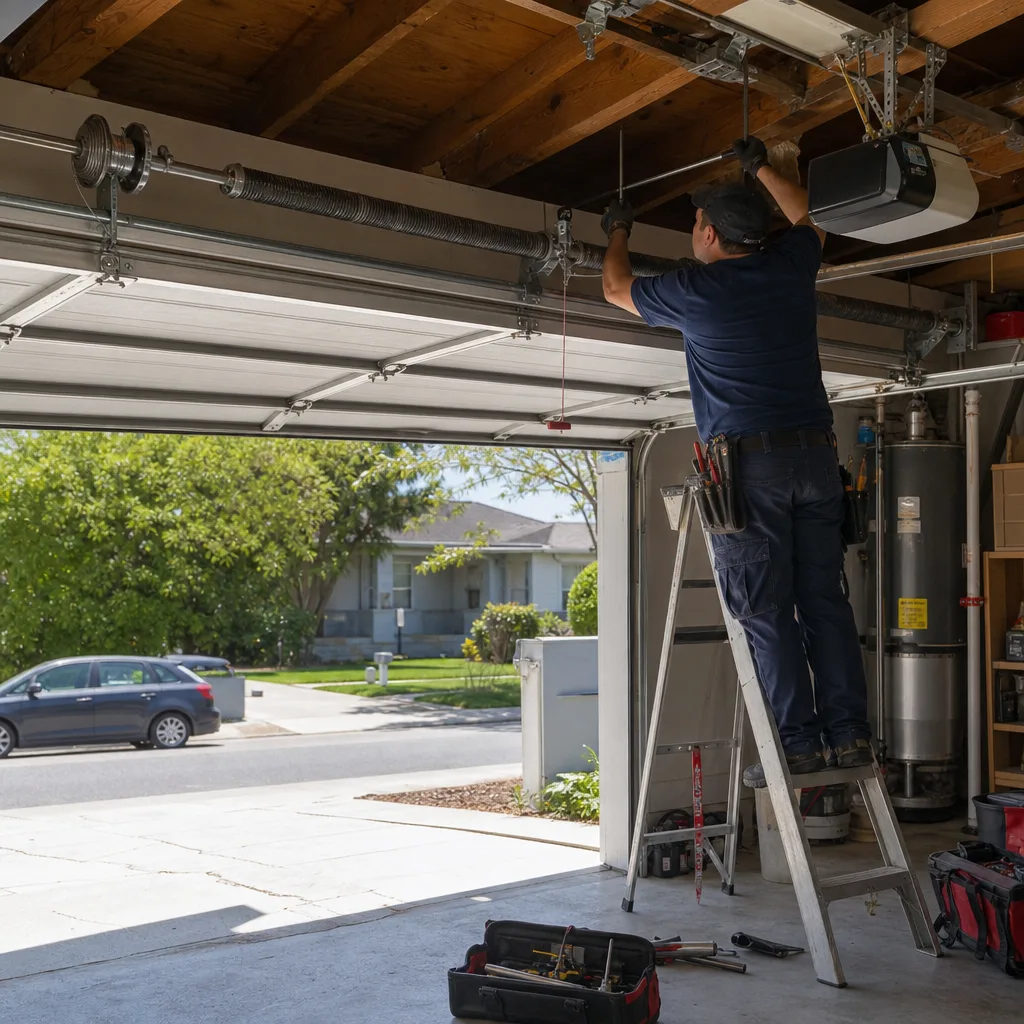
The most common local mistake we see is a homeowner who replaces the door and then discovers the opener cannot handle it. A 20-year-old opener that has been lifting a lightweight aluminum door may struggle with a modern insulated steel panel that weighs fifty pounds more. The door goes up slowly, the motor runs hot, and the opener dies within a year. The homeowner is then back to us for garage door opener repair because the install should have included the opener evaluation, and too often it did not.
Full-system thinking means looking at four things together:
- The panels: Are they rusting, dented, or structurally sound?
- The springs: What is the wire size, the spring type, and the cycle rating? Springs lift the door’s weight; the opener does not.
- The opener: What is the horsepower or the belt/chain type, and is it sized for the current door, let alone a heavier replacement?
- The hardware: Hinges, rollers, bearings, and tracks. In Alameda’s salt air, corroded hardware puts drag on the system and makes everything else work harder.
Oakridge Garage Door Service approaches every job this way because door and opener are one system. LiftMaster, Chamberlain, Genie, and Raynor openers each behave a little differently under load, and we service all of them. A door replacement that ignores the opener is not a complete job. When you replace one without checking the other, you have not fixed the system, you have just moved the failure point.
Matching a Door to Alameda’s Architectural Styles
Alameda’s housing stock is visually distinct. The island is full of Craftsman bungalows, Victorians with ornate trim, and mid-century ranches that came with simple slab doors. A garage door should not fight the house. The right door reinforces the architecture instead of drawing attention to itself.
Craftsman homes call for a carriage-house look: recessed panels, a warm wood tone or a deep earth color, and simple decorative hardware. Modern steel doors from Clopay or Amarr can reproduce that look without the maintenance of real wood, which matters in a salt-fog climate where wood swells and rots.
Victorians have more ornate trim, so the door should step back. A paneled door with a few windows in the upper section can echo the home’s glass patterns. Keep the color quiet: a dark green, deep blue, or charcoal. The door should not compete with fish-scale shingles and dentil molding.
Mid-century ranches look best with clean lines, minimal paneling, or a flat slab face. Aluminum doors suit these homes well because the material is light and the finish can run smooth. Avoid heavy ornamentation. The mid-century look is about restraint.
While matching architecture helps curb appeal, the style choices should never override the functional decisions. A beautiful door that rusts through in four years because it was never rated for this environment is just an expensive mistake. Style and material go hand in hand.
A Practical Maintenance Routine for Alameda Garage Doors
Alameda’s salt air and fog mean the maintenance schedule has to be a little more disciplined than in dryer inland cities. This is not a chore that takes hours. Ten minutes, twice a year, and a few targeted checks will catch most problems before they become emergencies.
- Wash the door every few months. A bucket of water with a mild soap, a garden hose, and a soft brush. Salt film builds up on the finish and traps moisture against the paint. Rinse thoroughly, especially the bottom edge and behind the weather stripping.
- Inspect the springs and cables twice a year. Look for rust bloom on the torsion springs, frayed cable strands, and any change in the coil spacing. Do not touch these parts to test them. Just look.
- Listen to the opener. A smooth start and a steady lift are good signs. Grinding, hesitation, or a sudden change in sound means something is wearing. The opener motor often reveals a hardware problem before you can see it.
- Check the balance. With the opener released, a properly balanced door stays where you put it at the halfway point. If it drops or shoots up, the springs are fading and need a professional evaluation.
- Lubricate the moving metal parts. Silicone spray or white lithium on the rollers, hinges, and bearing plates. Avoid lubricating the track itself; that just attracts dirt.
For most Alameda homes, the difference between a door that lasts 12 years and one that lasts 20 comes down to these habits. In the 95101 ZIP code’s marine influence, every month of deferred maintenance costs more than it would somewhere dry.
Common Mistakes to Avoid
- Skipping the rough opening measurement. Pre-1970 Alameda garages are rarely standard. Measure before ordering a door, and check for square.
- Buying a door based on looks alone. A door that fits the house’s style but cannot handle salt air is a poor investment here. Match the material to the environment first.
- Replacing the door but not the opener. A heavier door will shorten the life of an undersized opener. Check the whole system at once.
- Doing a spring repair solo. Torsion springs hold enormous tension. This is a job for a trained professional with the right tools and safety procedures.
- Ignoring the bottom seal. In Alameda’s damp air, a worn bottom seal lets moisture, dirt, and rabbits into the garage. The seal is cheap; replacing it is not.
- Treating all hardware as equal. Corrosion-resistant fasteners and rollers matter more in Alameda than they do inland. The cheapest parts fail fastest here.
- Waiting for the loud noise. A garage door gives warning signs for weeks before a spring snaps. Grinding, imbalance, slow operation. Address the small symptom before it becomes an emergency.
When to Call a Professional
Call a professional when the problem involves tensioned parts: torsion springs, extension springs, or cables. These components store enough energy to cause serious injury, and no amount of YouTube confidence changes that math. Call when the door is off its track, when an opener is behaving erratically, or when the door will not stay balanced at mid-height no matter how many adjustments you try.
Also call when you are replacing the door and want a measurement that will actually be right for your older Alameda garage. Alameda homes are not standard, and a tape measure in the wrong hands is how custom orders come in two inches too wide. Oakridge Garage Door Service offers free estimates in Alameda. Call (855) 341-8689 to schedule a look at the whole system.
Frequently Asked Questions
Most garage doors in Alameda last 15 to 20 years with consistent maintenance, though the salt air shortens that window for doors with thin finishes or unsealed hardware. A steel door with a quality factory finish and regular washing will outlast one that was never cleaned. When the panels rust through or the door no longer balances properly due to accumulated wear, replacement starts making more sense than repair.
Yes, salt air attacks the spring’s coating first, then the bare metal underneath, which leads to pitting and eventual fatigue fracture. In Alameda, springs near the coast can show visible rust within a year or two while the same spring in San Ramon would still look new. The best defense is inspecting springs twice a year and replacing them in matched pairs when surface rust appears.
A matched pair of springs has worn the same way and has the same cycles left, so replacing only one leaves an imbalance that makes the opener work harder and puts uneven strain on the new spring. Most professionals replace both springs at once. It costs more upfront but prevents a second service call and protects the opener from premature wear.
Galvanized steel with a heavy factory finish is usually the best balance of cost, strength, and corrosion resistance for Alameda, followed by aluminum for doors that face direct bay exposure. Fiberglass works but fades over time and requires more cleaning. The right choice depends on where the door faces, what the house looks like, and whether the current opener can handle the panel weight.
Alameda built much of its housing stock before manufacturers standardized garage door widths and heights, so pre-1970 garages often have rough openings that are slightly under or over today’s 8-foot and 9-foot widths. A proper measurement of the rough opening and header is the only way to order the right door. Skipping this step leads to reorders, extra labor, and delays.
Not always, but the opener must be evaluated against the new door’s weight. A heavier insulated steel door can overload an older opener and shorten its life. When the two are installed together with the right pairing, the opener runs cooler and the system lasts longer. Call (855) 341-8689 and we will check the door and opener as one system before recommending what to replace.
The Bottom Line
Alameda’s garage doors live in a tougher environment than most manufacturers account for. Salt air, morning fog, and a housing stock that predates modern door standards all shape what works and what fails. The homeowners who get the most out of their doors are the ones who choose materials for this climate, measure their openings like the older homes they are, and treat the door and opener as a single system. Oakridge Garage Door Service has been serving Oakridge Garage Door Service customers since 2015, and our team is built around that full-system approach. Whether you need a spring replaced, an opener diagnosed, or a full new door measured and ordered, we are the one call for it all. Call (855) 341-8689 for a free estimate in Alameda. We answer 24/7. Fast dispatch from 7am to 7pm, Sunday through Friday.
Written by the team at Oakridge Garage Door Service, serving Alameda since 2015.
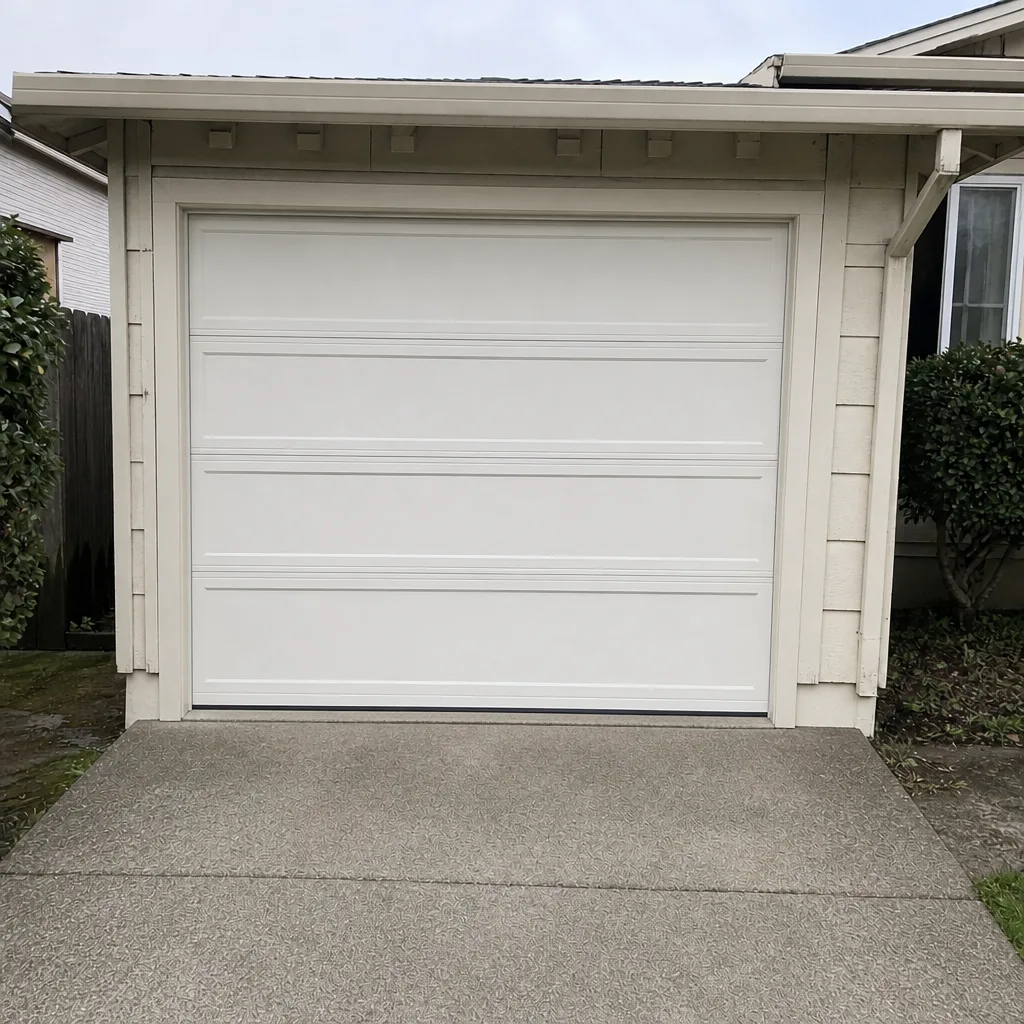
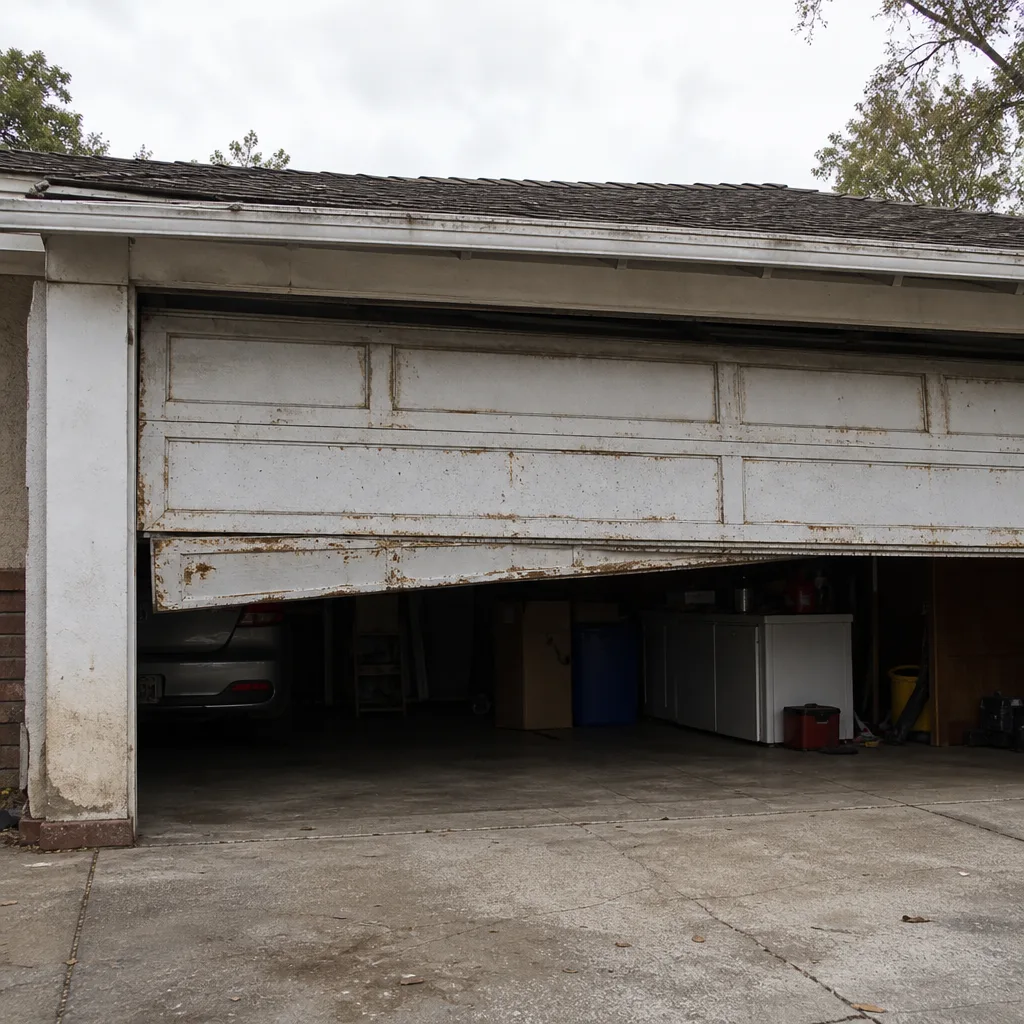
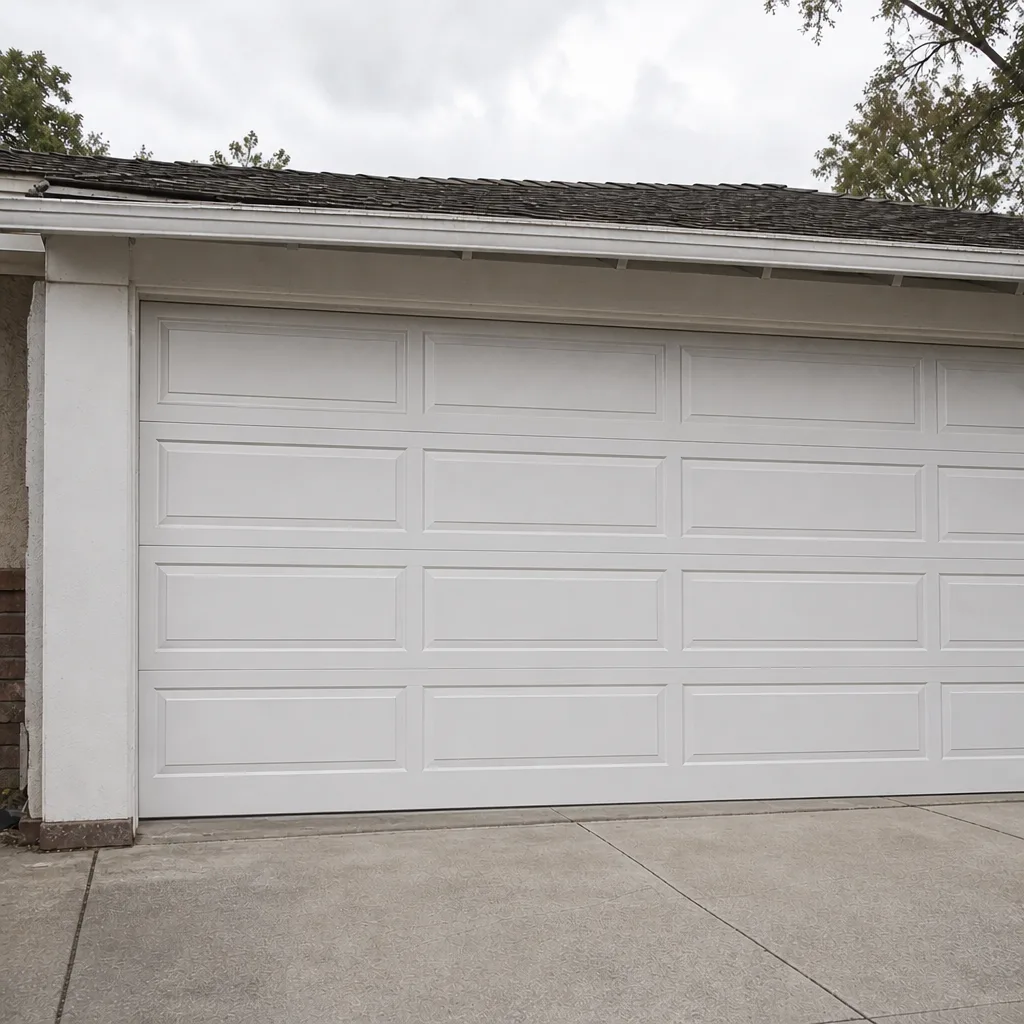
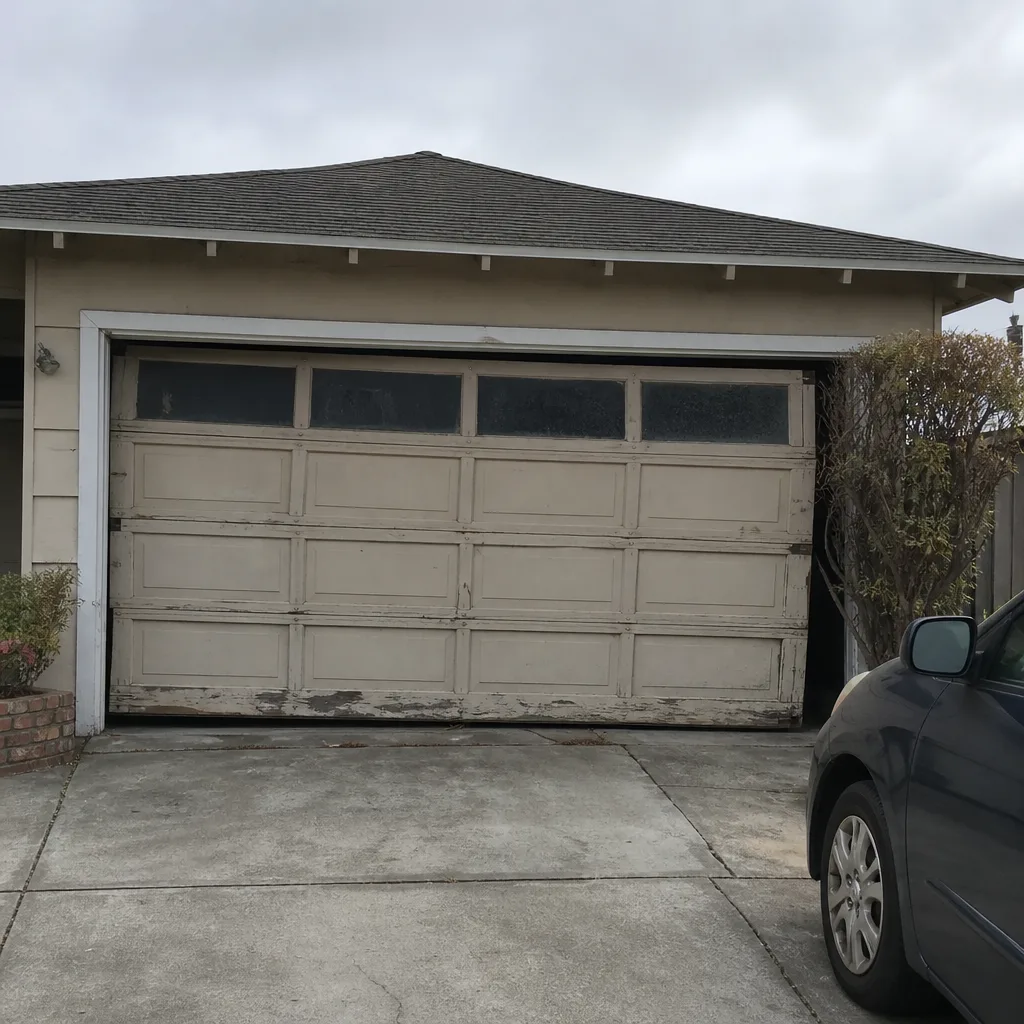
See the difference
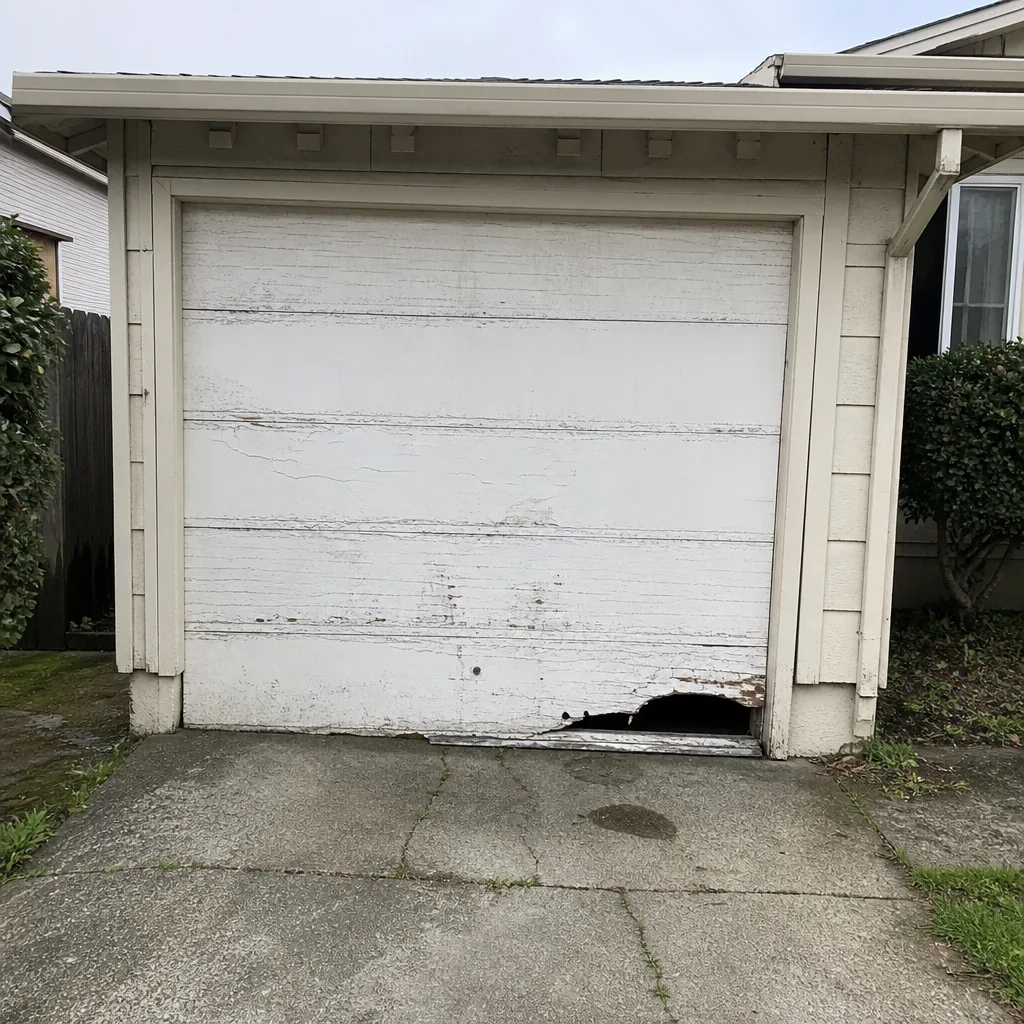 Before
 After
 Before
 After
 Before
 After